

Last updated October 31, 2026
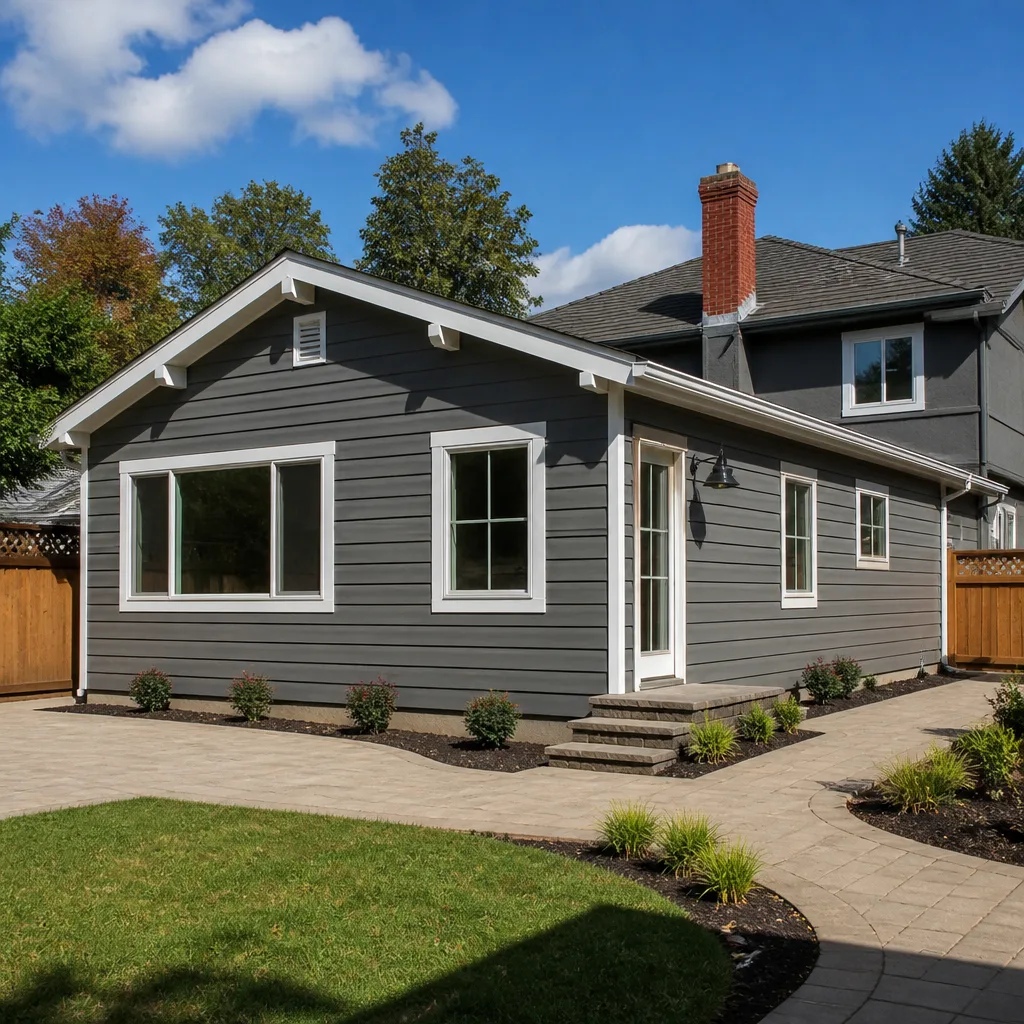 Home additions & ADU
 Kitchen remodeling
 Bathroom remodeling
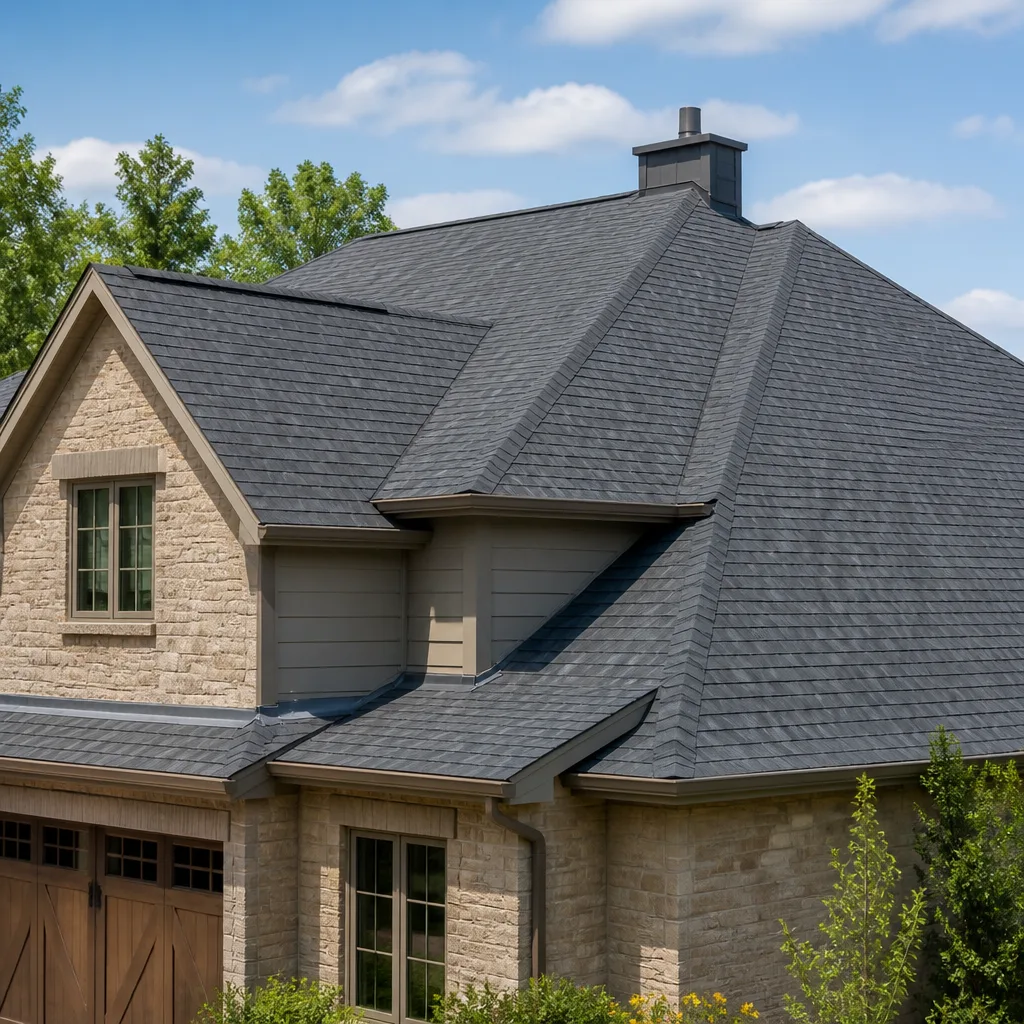 Roofing
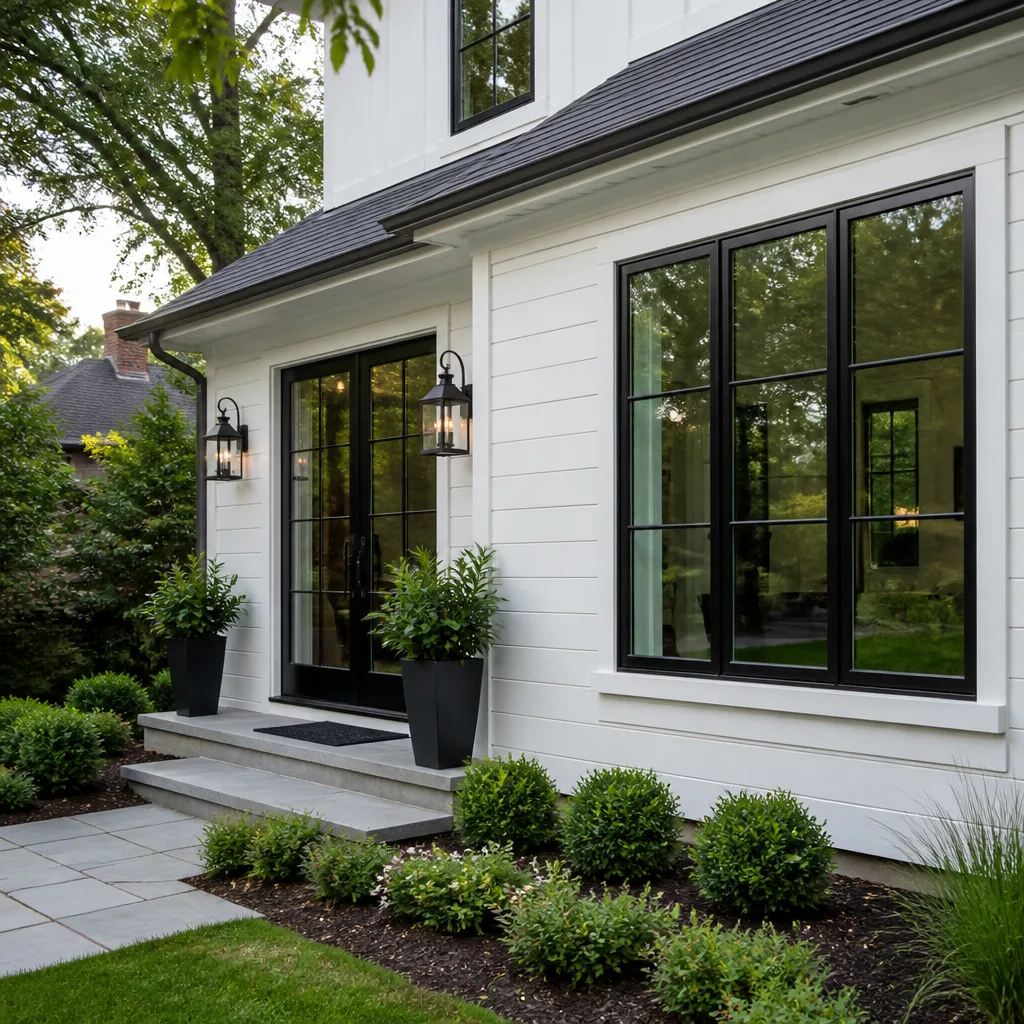 Windows & doors
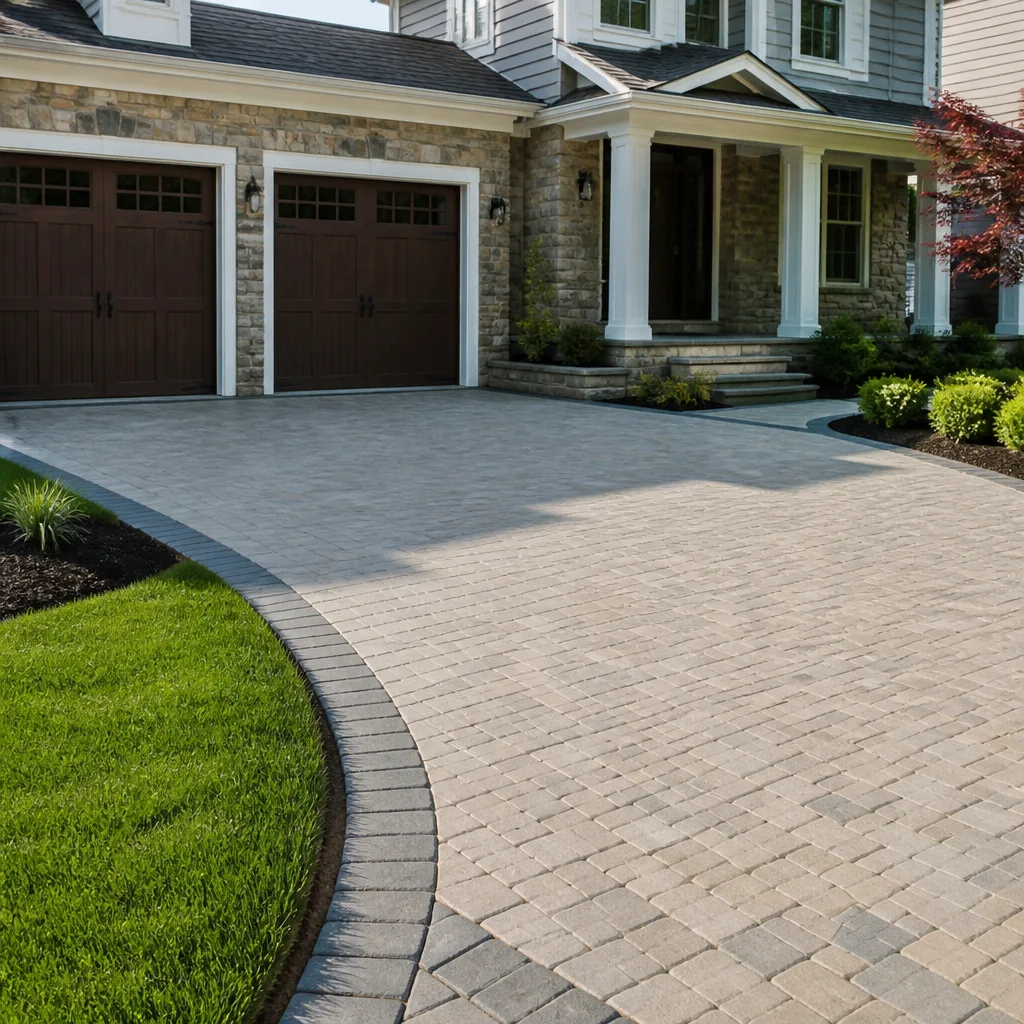 Driveway & pavers
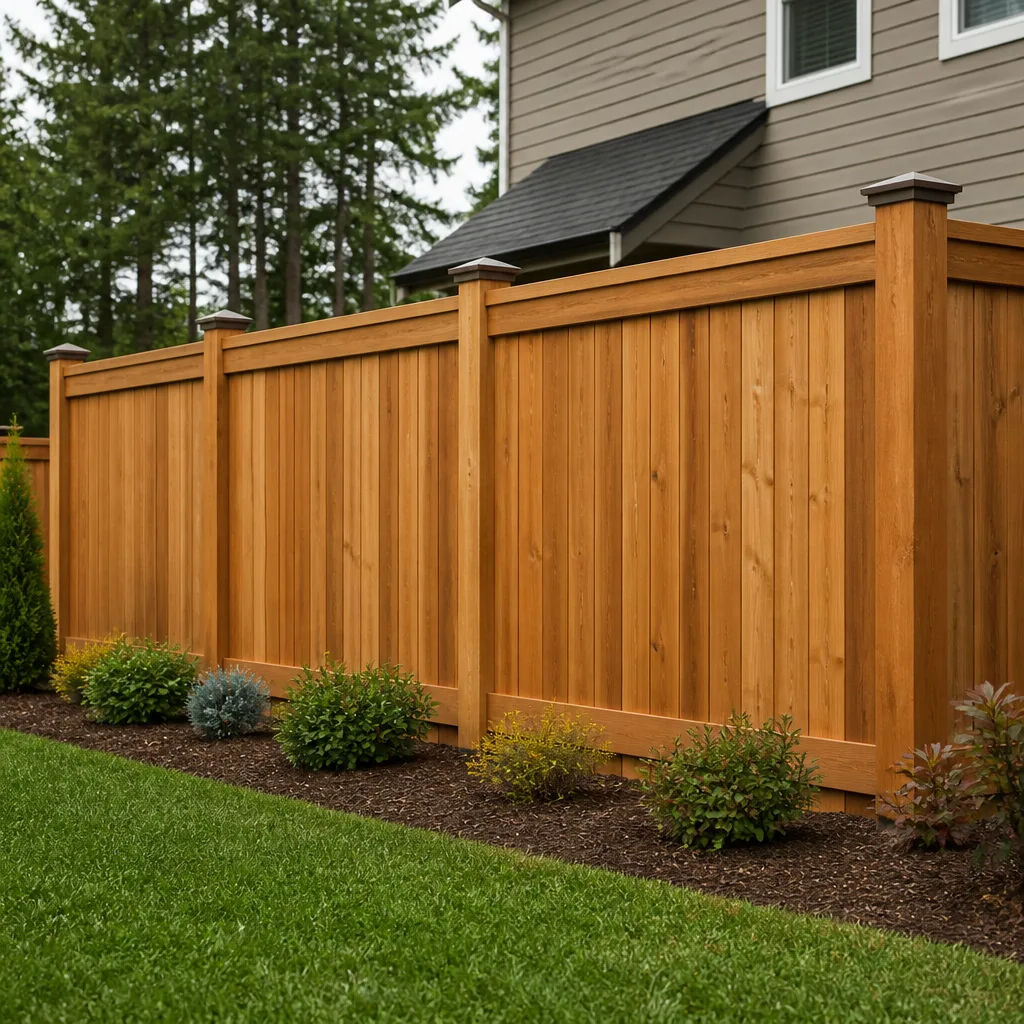 Fence
Free written scope consultation - allowances, timeline, and change-order rules on paper before a single trade is scheduled
Seasonal Construction Care for Gilroy: Year-Round Homeowner’s Guide
Most homeowners in Gilroy discover roof damage during the first heavy storm of November, not because they ignored their home, but because they followed generic maintenance advice built for climates with actual winters. Gilroy doesn’t have four equal seasons. It has a punishing dry-heat phase that runs from June through September, a brief but intense rainy window from November through March, and two shoulder periods, April-May and September-October, that are the only dependable windows for exterior construction. This guide maps your home’s maintenance needs to those actual rhythms so you can schedule work before problems become emergencies, and before contractor availability tightens. For a deeper dive, see The Complete Guide to Construction in Gilroy.
Quick Answer
Seasonal construction care in Gilroy means scheduling exterior work during the dry shoulder months of April-May and September-October, completing a pre-rain exterior audit by mid-October, and using the summer heat phase for interior projects or material selection rather than fighting it with exterior installations that fail prematurely.
Styles & brands we work with
Table of Contents
- Gilroy’s Actual Construction Calendar: What the Weather Really Allows
- The Pre-Rain Exterior Audit: September and October Priorities
- Summer Heat Management: What Sustained 90-Degree Days Do to Building Materials
- The Rainy Season: What to Monitor and What to Leave Alone
- Post-Rain Assessment: April and May Damage Patterns
- Scheduling Contractor Work Before the Rush: How Gilroy’s Calendar Affects Pricing and Availability
- Material Selection by Season: What Holds Up in Gilroy’s Specific Climate
- Seasonal Timing for ADU and Prefab Construction
Gilroy’s Actual Construction Calendar: What the Weather Really Allows
Gilroy sits in a transitional zone between the coastal fog influence of Monterey Bay and the interior heat of the Santa Clara Valley. That position creates a specific weather pattern: morning marine layer that burns off by mid-morning, afternoon temperatures that regularly exceed 90 degrees from June through September, and a compressed rainy season that delivers nearly all annual precipitation between late November and early March. For construction scheduling, this means exterior work has roughly 16 dependable weeks per year, split into two shoulder windows.
The April-May window follows the last significant rain and precedes the summer heat. Soil is workable, temperatures stay in the 60s and 70s, and crews can pour concrete, set pavers, and install roofing without fighting either mud or heat. The September-October window offers the same temperature range but with the added urgency of getting exterior envelopes sealed before the first atmospheric river arrives.
Here is the month-by-month reality we work within when scheduling exterior projects in Gilroy:
- January-February: Active rainy season. Exterior work is limited to emergency repairs, interior demolition, and planning. Concrete and paver work should not be scheduled.
- March: Transitional. Rain events still occur. Good month for interior work, material ordering, and design finalization.
- April-May: Prime exterior window #1. Dry, mild, and before summer heat. Ideal for roofing, siding, concrete, pavers, and fencing.
- June-August: Heat phase. Exterior work is possible but requires heat-adjusted materials and scheduling. Interior remodels and ADU construction proceed well.
- September-October: Prime exterior window #2. The most critical window for weatherproofing before rain returns. High demand for roofing and gutter work.
- November-December: Rainy season begins. Focus shifts to interior work. Exterior projects should be complete or deferred.
Understanding this calendar changes how you approach home maintenance. Instead of fighting the weather, you work with it, which is how general contractor work in Gilroy gets done efficiently without weather delays eating into your budget.
The Pre-Rain Exterior Audit: September and October Priorities
The worst time to discover your roof flashing has failed is during Gilroy’s first atmospheric river event in November. But that is exactly when most homeowners find out, because they followed a generic fall checklist that said “inspect roof in October” without accounting for the fact that October in Gilroy is still dry-season territory with weeks of usable repair weather left. The pre-rain audit should happen in late September, with repairs scheduled and completed before mid-October.
Here is the step-by-step audit we recommend for Gilroy homeowners:
- Inspect roof flashing and penetrations first. Walk the perimeter of your home and look for lifted, cracked, or missing flashing around chimneys, vents, and skylights. In Gilroy’s dry summers, sealant contracts and cracks. The first heavy rain finds those cracks immediately.
- Clean and test gutters and downspouts. Gilroy’s summer winds deposit dust, pollen, and leaf debris into gutters even when trees are not dropping leaves. A clogged gutter in a November storm sends water over the fascia and down the siding, not away from the foundation.
- Check exterior caulking and sealant around windows and doors. Sun exposure dries out caulk. Run a finger along the sealant, and if it is brittle or pulling away from the surface, it needs replacement before wet weather arrives.
- Inspect siding for gaps, cracks, or warping. Wood siding expands in summer heat and contracts in winter moisture. Small gaps that open in October become water intrusion points by December.
- Test exterior drainage. Run a hose at the base of your foundation and watch where the water goes. Water should flow away from the structure, not pool against it. Gilroy’s clay-heavy soils drain slowly, making proper slope critical.
- Look at hardscape joints and paver sand. Summer heat dries out joint sand in paver installations. Refilling those joints in September prevents freeze-thaw shifting, which, while rare in Gilroy, still occurs during cold winter nights.
For homeowners planning a larger scope, this audit often reveals work that fits naturally into a broader home remodeling project in Gilroy. Fixing flashing, replacing siding, and upgrading gutters at once is more cost-effective than doing them piecemeal across separate contractor visits.
Summer Heat Management: What Sustained 90-Degree Days Do to Building Materials
Gilroy regularly sees strings of days above 95 degrees in July and August, and those temperatures do measurable damage to building materials. Asphalt shingles soften and become susceptible to granule loss if walked on during peak heat. Vinyl siding expands enough to warp if it was installed without proper expansion gaps. Exterior paint applied in direct sun above 85 degrees dries too quickly and fails within two to three years instead of seven to ten. Concrete poured in high heat needs continuous moisture during curing or it develops surface cracking.
Smart homeowners use the summer heat months differently:
- Schedule interior work during summer. Kitchen remodels, bathroom renovations, and flooring installations proceed without weather interruption. Interior demolition generates dust that can be managed with windows closed and air conditioning running.
- Use summer for planning and material selection. Visit showrooms, compare countertop slabs, and finalize design decisions. This is when you decide between Cambria and Caesarstone countertops, or between GAF and CertainTeed roofing, without the pressure of a closing weather window.
- Begin ADU or addition work in early summer. Foundation work and framing can proceed through the heat with proper scheduling. By the time the structure is weather-tight, the rainy season arrives and interior finishes continue inside.
- Inspect existing exterior materials for heat damage. Summer is when you see the true condition of your exterior. Faded paint, curling shingles, and cracked concrete all reveal themselves during August, giving you time to plan repairs for the September-October window.
If exterior work must happen during summer, it requires adjusted materials and techniques. Roofing crews need to start before 6 a.m. and stop by early afternoon. Concrete needs wet curing blankets or curing compounds. Paint requires shaded-surface application and slower-drying additives. A contractor who understands Gilroy’s heat patterns plans around them rather than treating them as an inconvenience.
The Rainy Season: What to Monitor and What to Leave Alone
Gilroy’s rainy season runs from approximately late November through early March, with the heaviest rainfall typically arriving in atmospheric river events that can deliver several inches in 24 hours. During this period, your role shifts from active maintenance to monitoring. Most exterior construction should pause, not because crews cannot work in drizzle, but because materials do not perform correctly when installed in wet conditions.
Roofing installed during the rainy season has a higher failure rate because adhesive strips on shingles need dry conditions to seal properly. Exterior painting requires surfaces that stay dry for 24 to 48 hours after application, which is nearly impossible to guarantee between November and March. Concrete poured during rain events develops weak surface layers that spall within a year. Tile and paver installations lose bond strength when set in wet conditions.
What you should do during rainy months:
- Monitor ceilings and walls for water stains after each major storm. New stains mean a leak that was not present during the dry-season audit. Address roof leaks immediately, even during rain, because water intrusion compounds damage quickly.
- Check crawl spaces and basements after heavy rain. Groundwater rises in Gilroy’s clay soils during wet winters. Standing water in a crawl space needs a drainage solution, not just a dehumidifier.
- Watch for gutter overflow. During heavy rain, walk outside and observe your gutters. Overflow at specific points indicates blockages or insufficient downspout capacity.
- Document everything with photos. If you are planning a spring repair, having photos of the wet-season behavior gives your contractor valuable diagnostic information.
This is also the season to complete interior scope items that do not depend on exterior conditions. A full home renovation in Gilroy often sequences interior demolition and rough-in work during January and February, then transitions to exterior finishing in April.
Post-Rain Assessment: April and May Damage Patterns
Once the last significant rain has passed, typically by late March or early April in Gilroy, you have a short window to assess what the wet season did to your home and prioritize repairs before the summer heat arrives. This post-rain assessment is different from the pre-rain audit because you are now looking at actual damage patterns rather than potential vulnerabilities.
The damage patterns we see most often after Gilroy’s rainy season:
- Foundation settlement and cracking. Gilroy’s clay soils expand when wet and contract when dry. Homes built on expansive soils show new hairline cracks after wet winters. Most are cosmetic, but cracks wider than a quarter inch or cracks that continue growing through spring need professional evaluation.
- Fascia and soffit water staining. If your gutters overflowed during winter storms, the fascia board behind them absorbed water. By April, that wood may show staining or soft spots that indicate rot is beginning.
- Hardscape shifting. Paver patios and walkways settle unevenly as the soil beneath them dries out at different rates. Spring is the time to lift and re-level settled pavers before summer heat locks the soil in place.
- Exterior paint peeling and bubbling. Moisture trapped behind paint during the wet season causes blistering that appears in April and May. Scraping and repainting in spring gives the new paint the full dry season to cure properly.
- Fence post movement. Wood fence posts set in soil that expanded during winter often lean after the soil dries. Straightening and resetting posts before summer heat hardens the ground is far easier than waiting until August.
- Better contractor selection. Booking in July for September work means you are choosing among available crews rather than taking whoever has an opening.
- Negotiating room on material pricing. Ordering roofing, siding, and hardscape materials in summer gives suppliers time to source inventory without rush fees.
- Weather buffer. If a September project hits unexpected delays, you still have October as buffer before the rain arrives.
- Sequenced project planning. A full exterior-to-interior renovation can be sequenced so exterior work happens in the fall shoulder window, interior work continues through winter, and hardscape finishes in spring.
- Foundation work in late spring or early fall. The foundation needs dry, workable soil. Pouring in April-May or September-October avoids both winter mud and summer heat-curing challenges.
- Module delivery and setting in the shoulder windows. The crane and module delivery require dry access. Scheduling between April and June, or between September and November, works best.
- Utility connections and site work immediately after setting. Trenching for utilities is far easier when soil is not saturated. Trenching in November’s first storm turns a one-day job into a three-day mud fight.
- Interior finishes anytime. Once the module is set and weather-tight, interior work proceeds regardless of season.
Prioritize repairs by structural significance: foundation issues first, then roof-related components, then siding and trim, then cosmetic items like paint and hardscape. If you are planning a broader remodel that includes any of these items, bundling them into one project eliminates redundant mobilization costs. Our The Complete General Contractor Guide for Gilroy Homeowners explains how to coordinate these projects effectively.
Scheduling Contractor Work Before the Rush: How Gilroy’s Calendar Affects Pricing and Availability
Contractor availability in Gilroy follows the weather calendar with remarkable predictability. By late August, every reputable roofing and gutter contractor is booked through November. By mid-September, exterior painting crews are committed through the end of the dry season. Homeowners who wait until the first rain to schedule repairs face two problems: limited availability and premium pricing.
The strategy is simple: plan exterior work in June and July for execution in September and October. Plan interior work in late summer for execution during the rainy season, when interior crews have more flexibility. This approach gives you:
This is where the single-contract model proves its value. When one contractor manages the entire project scope from the Silver Line Contractors home office in Gilroy, sequencing across seasons becomes coordinated planning rather than a homeowner juggling five separate trade schedules. The roof gets done in September because the same team knows the interior demolition is scheduled for December, and the hardscape is waiting for April’s dry soil.
Material Selection by Season: What Holds Up in Gilroy’s Specific Climate
Gilroy’s climate punishes certain materials and rewards others. The combination of intense summer UV exposure, winter moisture events, and the area’s clay soil conditions means material selection matters more than in coastal climates with moderate temperatures year-round. See Choosing the Right Construction Brand: A Buyer’s Guide for Gilroy for specific product recommendations.
Roofing: Asphalt shingles with high UV resistance ratings perform best in Gilroy’s summers. GAF and CertainTeed both offer product lines specifically engineered for high-heat regions, with granule formulations that resist UV degradation. Impact-rated options from these manufacturers also handle the occasional hail event that rolls through the Santa Clara Valley. Metal roofing performs well but requires proper thermal expansion detailing to avoid the oil-canning effect that becomes visible after the first summer.
Siding: James Hardie fiber cement has become the default choice for Gilroy homes because it does not warp in heat like vinyl, does not rot like wood during wet winters, and does not expand and contract enough to pull fasteners loose. For homes needing impact-rated exterior envelopes, engineered siding systems paired with impact windows from brands like PGT or CGI create a continuous weather barrier.
Hardscape: Pavers from manufacturers like Oldcastle and Unilock perform well in Gilroy’s clay-expansion conditions because the paver system flexes with soil movement rather than cracking like poured concrete. When concrete is required for driveways or foundations, proper subgrade preparation with compacted base material matters more than the concrete mix itself. Quikrete and Sakrete both offer high-strength mixes suitable for the area’s soil conditions when placed correctly.
Decking: Composite decking has largely replaced wood in Gilroy because it resists the UV fading that destroys natural wood finishes within two summers. Composite materials also do not splinter or warp from the wet-dry cycle that Gilroy’s winter-to-summer transition forces on natural wood.
Seasonal Timing for ADU and Prefab Construction
Accessory dwelling unit construction follows the same seasonal logic as larger projects, with one advantage: prefab ADU systems collapse the on-site construction timeline dramatically. A prefab ADU from a manufacturer like Abodu can go from foundation to weather-tight structure in a matter of days rather than months, which changes the seasonal calculation.
The ideal sequence for a prefab ADU in Gilroy:
The prefab path reduces weather exposure risk compared to traditional stick-built ADUs, which can take six to eight months and inevitably span at least one full rainy season. For Gilroy homeowners who want an ADU completed within one calendar year, starting the permitting and foundation process in spring, setting modules in early fall, and finishing interiors through winter is the proven sequence.
Common Mistakes to Avoid
- Following generic seasonal checklists written for four-season climates. A checklist that says “inspect gutters in November” is already too late for Gilroy. November is when gutters are being tested by real rain, not when they should be cleaned.
- Scheduling exterior painting in July or August. Paint applied in Gilroy’s summer heat fails prematurely. If you must paint in summer, work happens early morning before surface temperatures climb, which dramatically slows progress and increases labor cost.
- Delaying roof inspections until you see a leak. By the time water shows up on your ceiling, the leak has already been active long enough to damage insulation and framing. A September roof inspection costs a few hundred dollars; a November leak repair costs thousands.
- Pouring concrete in late fall as a way to “beat next year’s prices.” Concrete placed in November or December during Gilroy’s rainy season has a high probability of surface defects from rain exposure during curing. The money saved on off-season pricing disappears when the slab needs repair in spring.
- Ignoring drainage issues because “it only rains for a few months.” Gilroy’s compressed rainy season delivers most annual precipitation in a handful of intense events. Poor drainage does not cause gradual damage; it causes concentrated damage during atmospheric river storms.
- Waiting until spring to plan summer interior work. By spring, contractor schedules for summer kitchen and bath remodels are already filling. Planning interior work in late fall ensures spring and summer execution slots.
- Treating hardscape as a summer-only project. Spring and fall are the ideal hardscape seasons in Gilroy. Summer heat complicates paver installation, and winter mud makes it impossible. Scheduling pavers or fencing for April-May or September-October produces better long-term results.
See the difference
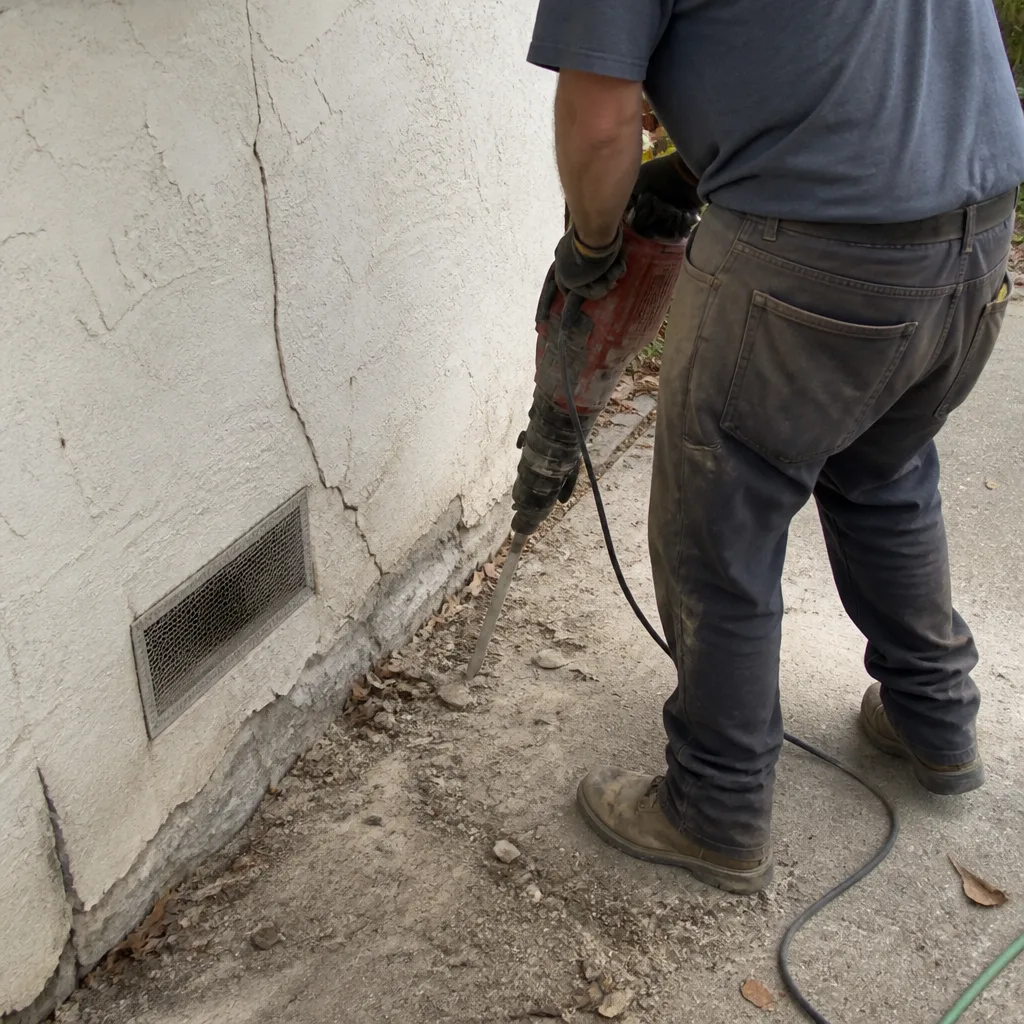 Before
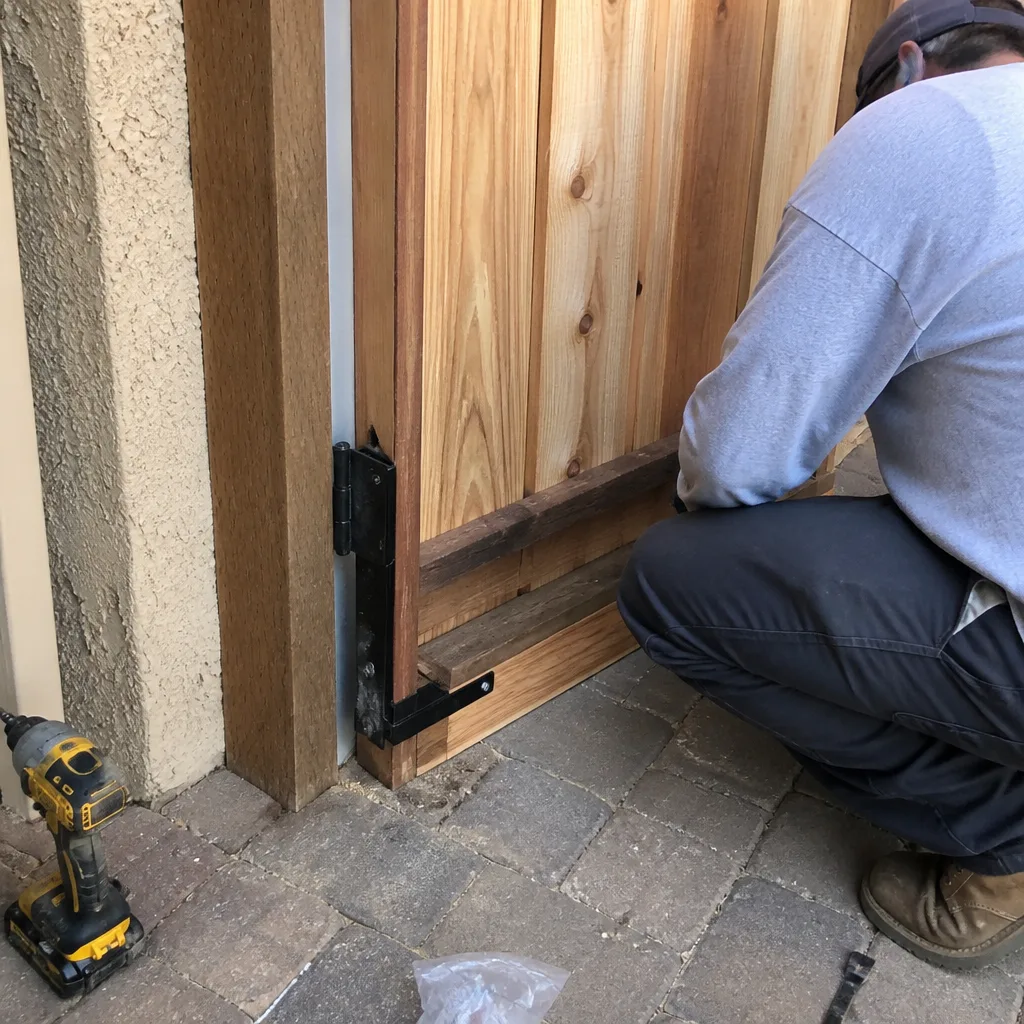 After
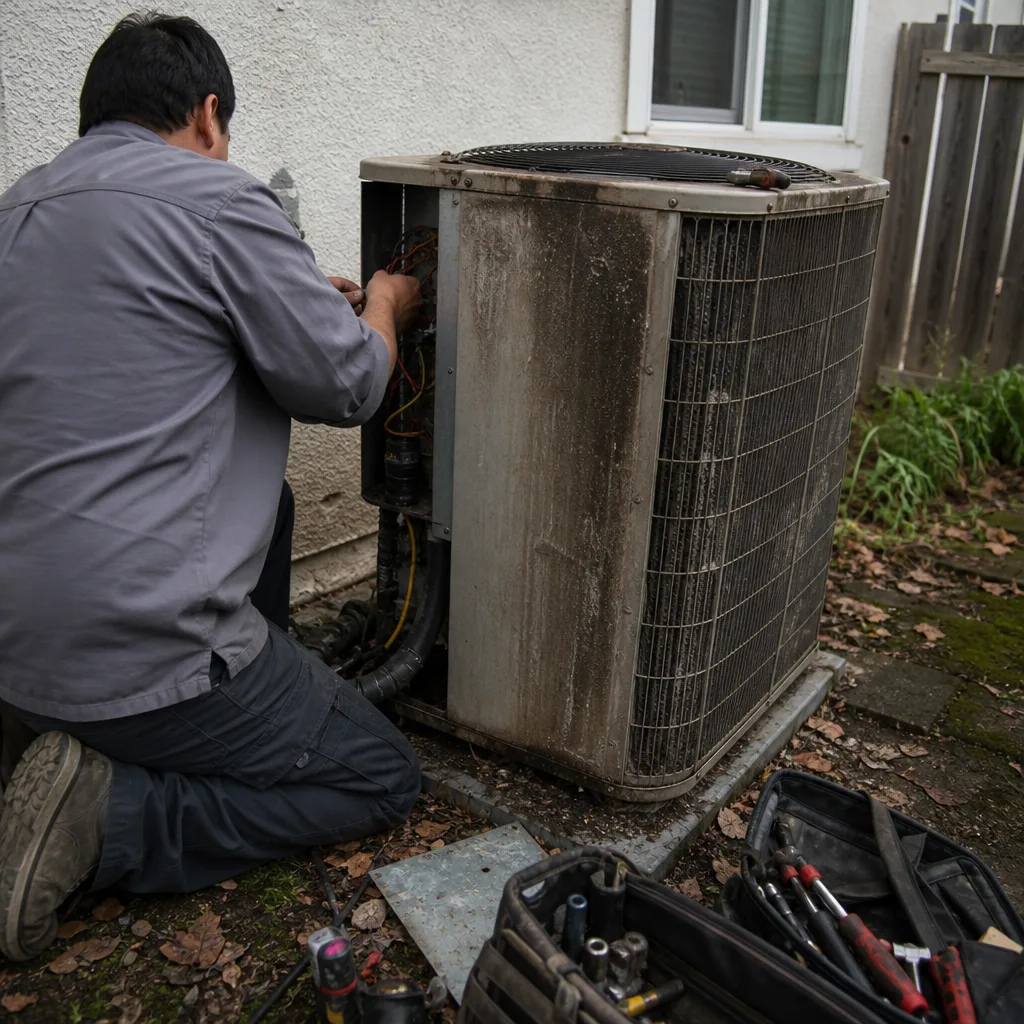 Before
 After
 Before
 After
When to Call a Professional
A homeowner can handle gutter cleaning, visual inspections, and caulking touch-ups. But there are situations in Gilroy where professional involvement prevents expensive mistakes. Call a contractor when you see foundation cracks wider than a quarter inch, when roof flashing has visible gaps, when water stains appear on ceilings or walls, when exterior paint is peeling across large areas, or when paver surfaces have shifted enough to create tripping hazards. These conditions indicate underlying problems that surface-level fixes will not address. Silver Line Contractors offers free estimates in Gilroy. Call (833) 400-1314 to schedule an assessment before the next weather window closes.
Frequently Asked Questions
The best windows for exterior work in Gilroy are April through May and September through October. Both periods offer dry conditions with moderate temperatures that allow roofing, siding, concrete, and hardscape materials to perform properly. September and October are particularly critical for weatherproofing work that must be complete before the rainy season begins in November.
Roof repair costs in Gilroy vary based on scope. Minor flashing repairs and sealant work typically run a few hundred dollars when caught early during a pre-rain audit. Full roof replacements range significantly based on the roofing system selected; GAF and CertainTeed product lines span multiple price tiers. Scheduling repairs in September rather than November avoids emergency pricing. Call (833) 400-1314 for a specific quote on your roof’s condition.
Most exterior work should not be scheduled during Gilroy’s rainy season, which runs from November through early March. Roofing, painting, concrete, and hardscape all require dry conditions that cannot be reliably guaranteed during those months. Interior work, including kitchen and bath remodels, proceeds well during the wet months, which is one reason the single-contract approach sequences projects across seasons.
Gilroy’s summer heat, with sustained temperatures above 90 degrees, accelerates degradation of sealants, causes asphalt shingles to soften, speeds paint drying to the point of premature failure, and stresses concrete during curing. Materials rated for high-heat regions, including UV-resistant shingles and fiber cement siding, perform better than standard products in Gilroy’s specific climate.
Start planning a spring remodel in Gilroy the previous fall. Contractor availability for April and May work begins filling in November and December, when many homeowners are deferring until warmer weather. Locking in a spring slot during fall gives you access to better contractor selection and often better material pricing before seasonal demand increases.
Prefab ADUs require seasonal timing only for the site work: foundation, module setting, and utility connections. Those elements need dry conditions, making April-May and September-October the ideal windows. Once a prefab unit from a manufacturer like Abodu is set and weather-tight, interior finishing proceeds regardless of season, which gives prefab construction a significant scheduling advantage over traditional stick-built ADUs in Gilroy.
The Bottom Line
Gilroy’s climate rewards homeowners who think in seasons. The dry shoulder months of April-May and September-October are your construction windows. The summer heat phase is for interior work, planning, and material selection. The rainy season is for monitoring and interior scope. Aligning your maintenance and renovation schedule to these rhythms prevents emergency repairs, reduces total project cost, and extends the life of everything from your roof to your driveway. Plan exterior work before the rush, sequence interior work through winter, and the calendar works for you instead of against you. Explore more guides & resources to keep your projects on track.
Written by the team at Silver Line Contractors, serving Gilroy since 2017.