

Last updated October 31, 2026
 Home additions & ADU
 Kitchen remodeling
 Bathroom remodeling
 Roofing
 Windows & doors
 Driveway & pavers
 Fence
Free written scope consultation - allowances, timeline, and change-order rules on paper before a single trade is scheduled
The Complete General Contractor Guide for Gilroy Homeowners
Most Gilroy homeowners don’t realize that a project permitted in Morgan Hill can clear in three weeks while the identical scope in Gilroy hits a 10-to-14-week queue. Your general contractor’s familiarity with that gap, and with Gilroy’s specific soil conditions, wildfire overlays, and permit culture, determines whether your remodel finishes on schedule or stalls on a shelf. This guide is the operational map most contractors won’t hand over. You’ll learn how to read a CSLB license, why a soil report matters before you ever pick a cabinet, what a single-contract project actually looks like from pre-design to certificate of occupancy, and which questions separate a GC who manages liability from one who just manages trades. Written by the team at Silver Line Contractors home, a full-scope general contractor working in Gilroy’s residential market, this page is intended to give you the same working knowledge we use every day.
Quick Answer
A general contractor in Gilroy is a state-licensed professional who manages the entire residential construction process: plans, permits, subcontractors, materials, inspections, and scheduling. Gilroy homeowners should expect to invest 8 to 14 weeks in permitting before any demolition begins, and they should hire a GC who understands Santa Clara County’s distinct plan review culture, Gilroy’s expansive clay soils, and the city’s wildfire urban interface rules. For a full-scope renovation or ADU, you want one licensed contractor carrying liability for every phase rather than coordinating separate trades yourself.
Styles & brands we work with
Table of Contents
- How Gilroy’s Permit Pipeline Works (And Why It’s Different From Morgan Hill)
- Gilroy Soil Conditions and Why Your Foundation Scope Changes
- How to Read a CSLB License for Gilroy Residential Work
- Who Pulls the Permit, and Why It Changes Your Liability
- What a Single-Contract Project Actually Looks Like
- Which Trades a True GC Manages In-House vs. Farms Out
- Material Choices: Why Manufacturer Access Changes a Gilroy Project
- Realistic Gilroy Cost and Timeline Ranges
How Gilroy’s Permit Pipeline Works (And Why It’s Different From Morgan Hill)
Gilroy’s Community Development Department processes residential permits through a plan review queue that historically runs 10 to 14 weeks for full-scope remodels and additions. That’s not a guess; it’s a function of staffing, review volume, and the fact that Gilroy’s residential growth has outpaced its building department capacity. Morgan Hill, by contrast, often turns the same scope around in 3 to 4 weeks. If your contractor prices a project assuming a Morgan Hill-style timeline, you’ll be mid-demolition with a gaping kitchen and no approved framing inspection.
For a homeowner, this creates three specific consequences:
- Sequencing matters more than speed. A knowledgeable GC will submit plans, then immediately order long-lead materials like windows, doors, and custom cabinetry while plan review is pending. Those items have 6-to-12-week factory lead times. If you wait for permit approval to order them, you add that lead time on top of the review window.
- Resubmission is not theoretical. Gilroy plan reviewers commonly issue correction letters for minor issues: a missing structural detail, a roof tie-down spec that doesn’t match current code. Each resubmission can add 2 to 3 weeks. A GC who has worked Gilroy permits knows which details reviewers flag and addresses them in the initial submittal.
- Demolition permits are separate. Gilroy allows certain permits, like a standalone re-roof or a like-for-like window replacement, to move faster than full remodels. A smart contractor sequences work so that fast-permit items start while the bigger permit is still in review. That gets your project visibly moving without exposing you to unpermitted work.
What does this mean for you? Ask any contractor you interview: “How many Gilroy permits have you pulled in the last 24 months, and what’s the longest correction cycle you’ve seen?” A GC who answers with specifics is worth more than one who says “we handle all that.”
Gilroy Soil Conditions and Why Your Foundation Scope Changes
Gilroy sits on valley floor alluvium with pockets of expansive clay, particularly in older residential tracts east of Highway 101 and in neighborhoods developed before the 1990s. Expansive clay shrinks during dry summers and swells during wet winters. That movement cracks slabs, shifts footings, and generates the hairline wall cracks you see in older Gilroy homes. The issue is not cosmetic; it’s structural.
Any addition or ADU that touches the ground in Gilroy typically requires a soil report. A geotechnical engineer tests the bearing capacity and expansion potential of the soil on your specific lot. That report then dictates the foundation design: standard footing, deepened footing, post-tension slab, or piers. The difference in concrete and steel cost between a standard footing and a pier-supported foundation can be $15,000 to $45,000 on an addition.
We regularly see estimates from contractors that omit the soil report entirely. The estimate looks competitive, but it’s incomplete. Once the city requires a soils investigation, the foundation scope changes, and you’re handed a change order. A general contractor who has built in Gilroy knows where the clay pockets are and will warn you before you budget.
Specifically, neighborhoods like Sunrise, Las Animas, and the older streets around downtown Gilroy have produced geotechnical reports with moderate-to-high expansion potential. That doesn’t mean you can’t build there; it means the foundation has to be engineered for the soil, not guessed at. Ask your contractor whether the specific lot has a soils history. If they have never heard of a Gilroy soils report, keep looking.
How to Read a CSLB License for Gilroy Residential Work
The California Contractors State License Board (CSLB) maintains a public license lookup at cslb.ca.gov. Every legitimate contractor in Gilroy must hold a current license, and you should check it before signing anything. Here is how to read what you find:
- Look up the license number. You can search by company name or license number. Confirm the name on the license matches the name on your contract. A mismatch is a red flag.
- Check the classification. For full-scope residential work, you want a “B – General Building Contractor” classification. This is the license class that legally permits a contractor to take a project across multiple trades: framing, roofing, drywall, finishes, structural work. Some contractors hold specialty licenses like “C-36” (plumbing) or “C-54” (tile) or “C-29” (masonry). Those are subcontractor licenses and do not cover full-scope residential remodels, additions, or ADUs.
- Look at the issue date. An older issue date does not guarantee quality, but it tells you the contractor has survived renewals and maintained active status. A brand-new license can be fine; it can also be a signal of a business that recently re-formed after a dispute or bankruptcy.
- Check for workers’ compensation insurance. The license record shows whether the contractor carries workers’ comp. In California, a contractor with employees must carry it. If the record shows an exemption, it means the contractor has no employees and works solo. That’s legal for small jobs but structurally problematic for a full-scope remodel that requires multiple trades on site.
- Check the bond. California requires a contractor’s license bond of $25,000. The CSLB record shows the bond status. A suspended or inactive bond means the license itself is not active.
For Gilroy specifically, you want a B classification with an active bond and workers’ comp. Silver Line Contractors operates as a licensed general contractor, and our General Contractor in Gilroy page explains what full-scope residential construction includes under that classification. If a contractor dodges your request to see the license number, the conversation is over.
Who Pulls the Permit, and Why It Changes Your Liability
This is the most under-discussed topic in Gilroy residential construction, and it has real legal weight. In Santa Clara County, the person or entity named on the building permit is the party legally responsible for code compliance on that project. If a tile subcontractor pulls the permit for a bathroom remodel, the tile contractor carries the liability for that scope. If your general contractor pulls the permit, the GC carries the liability.
Here is why that matters:
- Unpermitted work and resale. Gilroy homes are bought and sold every day, and home inspectors in this market know what to look for: a converted garage without a permit, a kitchen remodel with no record, an ADU that never went through plan review. If unpermitted work is discovered during escrow, the seller typically pays to retroactively permit it or offers a price concession. The permitting history of your home is part of its resale value.
- Subcontractor-permitted work fragments accountability. If your GC tells you a subcontractor will “handle the permit,” you now have two separate points of accountability. When a framing inspector flags a structural issue, you have to determine whether the GC or the sub is responsible for the fix. That is precisely the multi-party coordination problem you hired a GC to avoid.
- Insurance and claims. Homeowners insurance policies vary, but many exclude damage arising from unpermitted work or from work performed by unlicensed contractors. If a fire starts in a kitchen that was renovated without permits, your insurer may cite the unpermitted condition as grounds to deny or reduce a claim.
In our experience, Gilroy homeowners are best served when the general contractor’s name is on the permit. That creates a single line of accountability from the building department’s first plan review through the final inspection. It also gives the GC both the authority and the obligation to coordinate every trade on the job to a code-compliant standard. When a GC does not pull the permit, ask directly: “Whose name goes on the permit, and who is responsible if a correction comes back?” The answer tells you everything about how the project will be run.
What a Single-Contract Project Actually Looks Like
A true single-contract remodel in Gilroy runs from pre-design through certificate of occupancy, and every phase is in writing. Here is the sequence we walk through with homeowners, and it is the same sequence a qualified GC should be able to lay out for you in the first meeting:
- Pre-design and scoping. You and the GC walk the property, measure existing conditions, identify structural constraints, and settle on a realistic scope. This is when you learn whether your foundation can support a second-story addition or whether your panel needs an upgrade for a kitchen with induction cooktop, double oven, and electric vehicle charger.
- Design and engineering. If the project changes walls, rooflines, or foundation, a California-licensed engineer stamps the plans. For some scopes, a draftsperson can prepare drawings. The GC should coordinate this step, not hand you a list of names.
- Soil report (if applicable). For additions, ADUs, and some structural remodels in Gilroy, a geotechnical engineer tests the soil and issues a report that dictates the foundation design.
- Plan submittal to Gilroy Community Development. The GC submits the full plan set, pays the submittal fees, and tracks the plan review queue. This is the phase where Gilroy’s timeline diverges from neighboring cities.
- Long-lead material ordering. While plan review is running, the GC orders windows, doors, cabinetry, roofing, and specialty fixtures. Factory lead times on Therma-Tru doors and certain window lines can run 8 to 14 weeks. Ordering now means materials arrive when the permit is approved.
- Permit approval and mobilization. Demolition, site protection, and temporary utilities begin. The GC schedules inspections at each required milestone: rough framing, rough electrical, rough plumbing, insulation, drywall, final.
- Construction and trade sequencing. The GC coordinates subcontractors in order: demo, framing, HVAC rough-in, electrical, plumbing, insulation, drywall, paint, tile and flooring, finish carpentry, countertops, fixture installation, punch list.
- Final inspection and certificate of occupancy. The city performs final inspections and issues the certificate. Only then is the project legally complete.
Each phase has a cost, a responsible party, and a paper trail. The single-contract advantage is that one entity owns all of it. That’s the difference between calling one number when a trade misses a day and calling four numbers while three of them argue about who was supposed to order the tile.
Which Trades a True GC Manages In-House vs. Farms Out
No general contractor in Gilroy employs every trade on staff. What a GC does employ is project management: a construction supervisor or site lead who is on site daily or near-daily, a scheduling function, a materials procurement function, and a direct line to the building department. The trades themselves are typically subcontractors with long-standing relationships. Here is how the division usually works:
- GC’s direct responsibility: project scheduling, permit management, materials ordering and delivery coordination, site safety, subcontractor supervision, change order management, inspection scheduling, and final punch list. If these functions are shaky, the project is shaky.
- Typical subcontracts: Framing, roofing, electrical, plumbing, HVAC, drywall, insulation, tile, paint, and finish carpentry. These trades operate under the GC’s license umbrella and insurance, and the GC is responsible for their code compliance.
- Direct-from-manufacturer items: Cabinetry, countertops, and sometimes windows and doors are often ordered directly from the manufacturer or through a dealer. The GC should be coordinating this procurement, not expecting you to call a countertop shop yourself.
- Specialty items that may be separately permitted: Solar, fire sprinklers, and sometimes sewer line work can involve separate permits or specialty contractors. A good GC tells you this up front and coordinates it rather than leaving you to discover it mid-project.
In Gilroy, where projects span interior remodel, exterior shell work, and outdoor hardscape, the GC’s role is coordinator-in-chief. If a homeowner has to call a cabinet dealer to check a delivery date, the single-contract arrangement is already breaking down. For a deeper look at how full-scope remodeling works in Gilroy, see our Home Remodeling in Gilroy page.
Material Choices: Why Manufacturer Access Changes a Gilroy Project
Most Gilroy homeowners walk into a remodel with a vague idea of the look they want and no idea how many material options actually exist. They get whatever a contractor’s preferred supplier happens to carry. That is not customer choice; that is supply-chain convenience. A general contractor with deep manufacturer relationships can offer real material options at multiple budget tiers, which changes both the finished product and the long-term maintenance profile.
Consider windows and doors. Gilroy’s summer heat and winter frost cycles punish cheap windows, and the city’s building code now mandates certain energy performance standards. A contractor who works only with one window supplier will spec whatever that supplier stocks. A contractor with access to multiple manufacturers can compare an impact-rated product from one line against a thermally efficient product from another and tell you the honest difference. Premium brands like Therma-Tru, ECO Window Systems, and ES Windows each have distinct strengths: one may be the right call for a street-facing entry door, another for a sliding glass wall in a new ADU. The point is not that one brand is hands-down better; it’s that the contractor should be able to give you an informed choice.
Countertops are another area where access matters. Cambria, Caesarstone, and Silestone each manufacture quartz slabs with different profiles: veining, depth, warranty terms, and price per square foot. Some are available locally in Gilroy through regional fabricators; others have lead times that stretch past eight weeks. A contractor who knows the difference between a 2cm and 3cm slab, and who has fabrication relationships that can meet a deadline, saves you weeks and thousands in rework.
The same logic applies to roofing, fencing, hardscape, and siding. A true GC works with manufacturers, not just whatever a local lumberyard has on hand. That is what “material options at every budget tier” actually means: the contractor knows the tier you need and can source it without compromise.
Realistic Gilroy Cost and Timeline Ranges
Gilroy’s construction market sits between the Bay Area’s premium coastal pricing and the Central Valley’s lower labor rates. What that means in practice: you will pay more than Modesto but often less than Palo Alto for the same scope. Here are honest, current ranges for common Gilroy projects, based on what we see in the local market daily, and you can find Construction Cost Breakdown: The Gilroy Homeowner’s Reference for 2026 for deeper detail:
- Full kitchen remodel (mid-tier materials, minor layout changes): $65,000 to $120,000. Timeline: 4 to 6 months from design to completion.
- Primary bathroom remodel (full gut, mid-to-premium finishes): $35,000 to $70,000. Timeline: 3 to 5 months.
- Whole-home interior renovation (2,000 to 2,500 sq ft, full scope): $200,000 to $450,000. Timeline: 8 to 14 months.
- ADU (800 to 1,000 sq ft detached, site-built): $250,000 to $400,000. Timeline: 10 to 16 months including permits.
- Prefab ADU (same envelope, factory-built modules): $200,000 to $350,000. Timeline: 6 to 10 months, faster in the permitting and site work phases.
- Roof replacement (2,500 sq ft home, architectural shingle): $18,000 to $35,000. Timeline: 1 to 2 weeks on site.
These ranges assume a permitted project with a licensed GC, active workers’ comp, and written change order procedures. You can find lower bids in Gilroy, and some of them will be legitimate. But a bid that comes in 30% below all others is typically omitting something: the soil report, the permit fees, the engineering stamp, the workers’ comp coverage, or the actual materials specified. A contractor who prices for Gilroy’s real conditions will land in these ranges, not below them.
For larger structural work, including whole-home renovation, see our Home Renovation in Gilroy guide for a more detailed breakdown of what drives cost and schedule.
Common Mistakes to Avoid
- Signing before reading the license. Too many Gilroy homeowners sign a contract with a contractor whose CSLB record shows an inactive bond or a specialty classification that doesn’t cover the work. That invalidates the contract and leaves you exposed.
- Ignoring the soil report. Any scope that touches the foundation must be engineered for Gilroy’s expansive clay. Skipping the geotech report to save $3,000 can cost $30,000 in foundation rework.
- Assuming permit timelines are the same everywhere in Santa Clara County. A contractor who works mostly in Morgan Hill or San Jose may not know Gilroy’s review queue. Ask specifically about Gilroy plan review experience.
- Selecting materials after the permit is approved. If you choose windows or cabinets during plan review, you’re adding their factory lead time on top of the permit timeline. The spec needs to be locked early.
- Paying in full before completion. California state law caps a contractor’s down payment on a home improvement contract at 10% of the total price or $1,000, whichever is less. Anyone asking for more upfront is violating state law.
- Coordinating trades yourself to “save money.” Hiring your own electrician, tile setter, and plumber splits accountability and voids the single-contract value. You may save 10% and spend 40% more in coordination time and missed schedule windows.
- Skipping the written change order process. Verbal changes generate disputes. A professional Gilroy GC writes every scope change, prices it, and gets your signature before the work starts.
See the difference
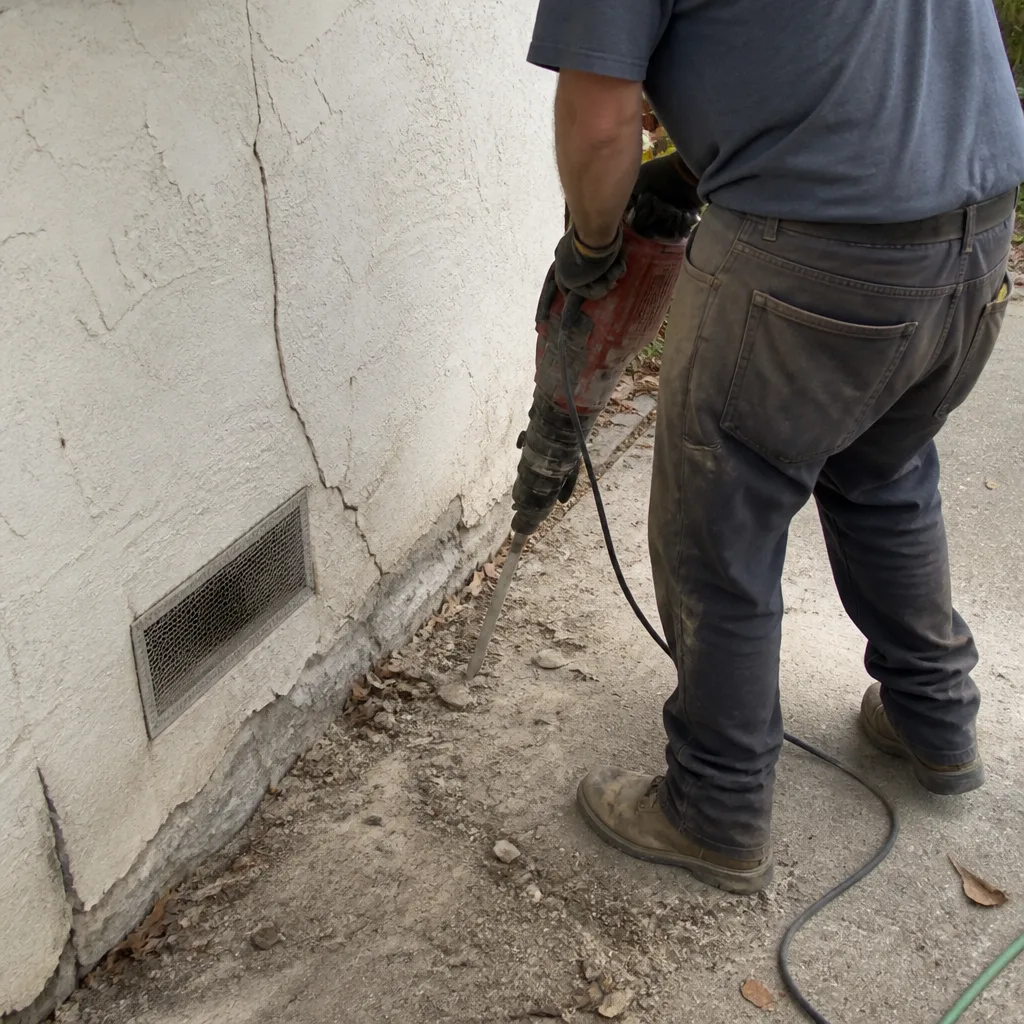 Before
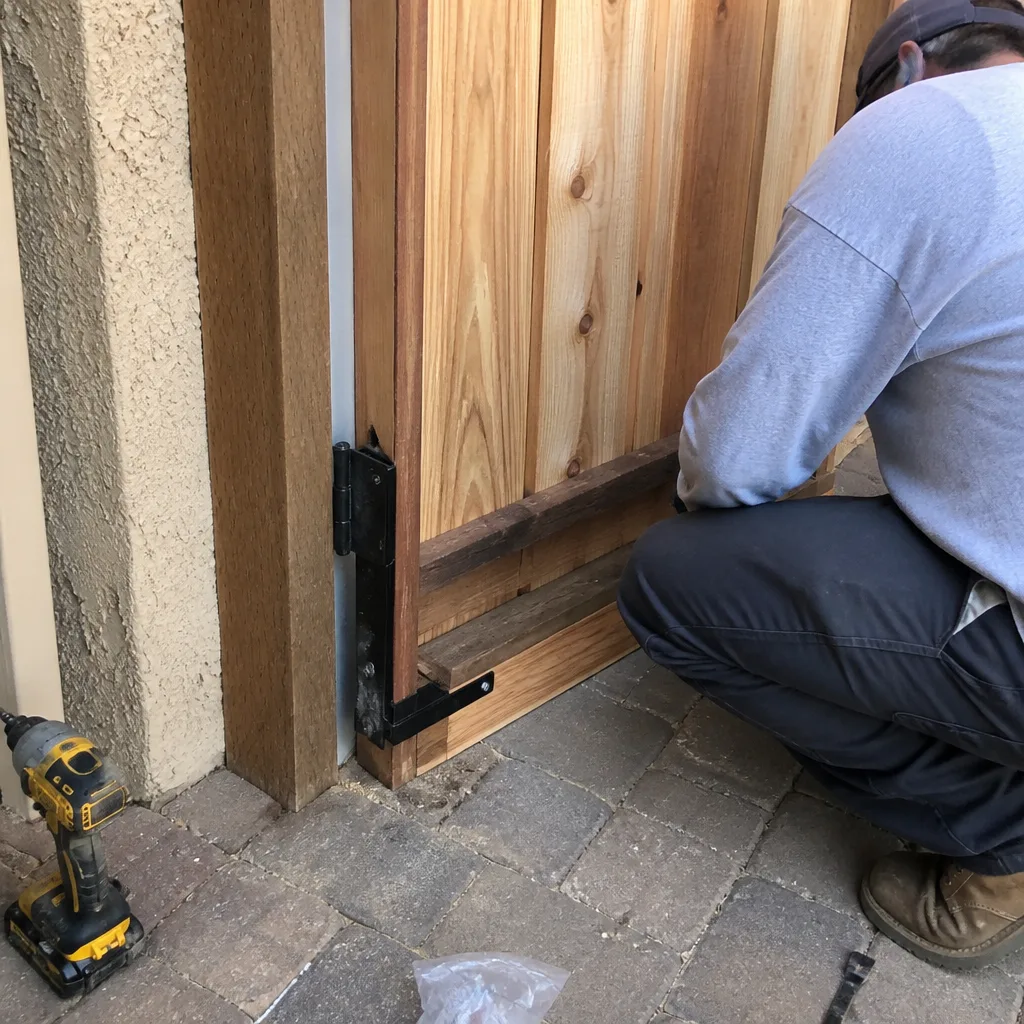 After
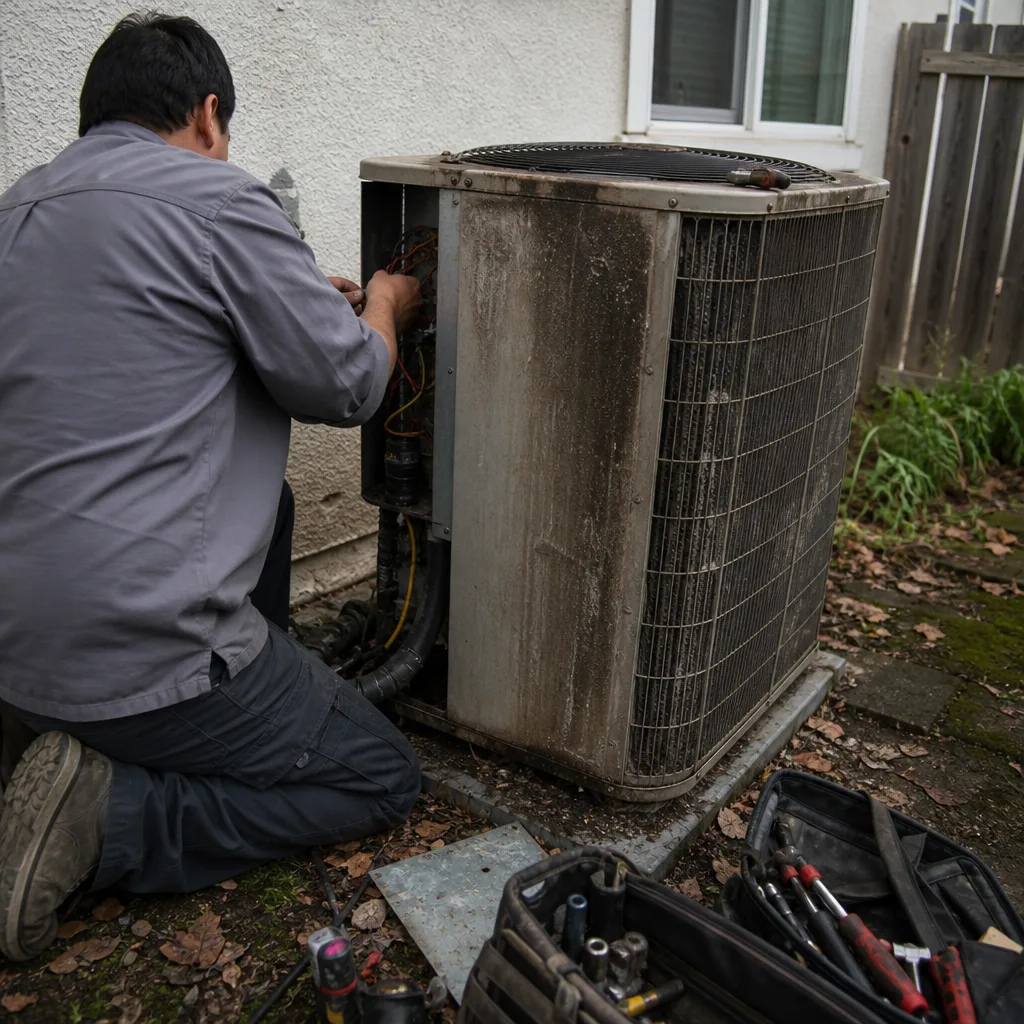 Before
 After
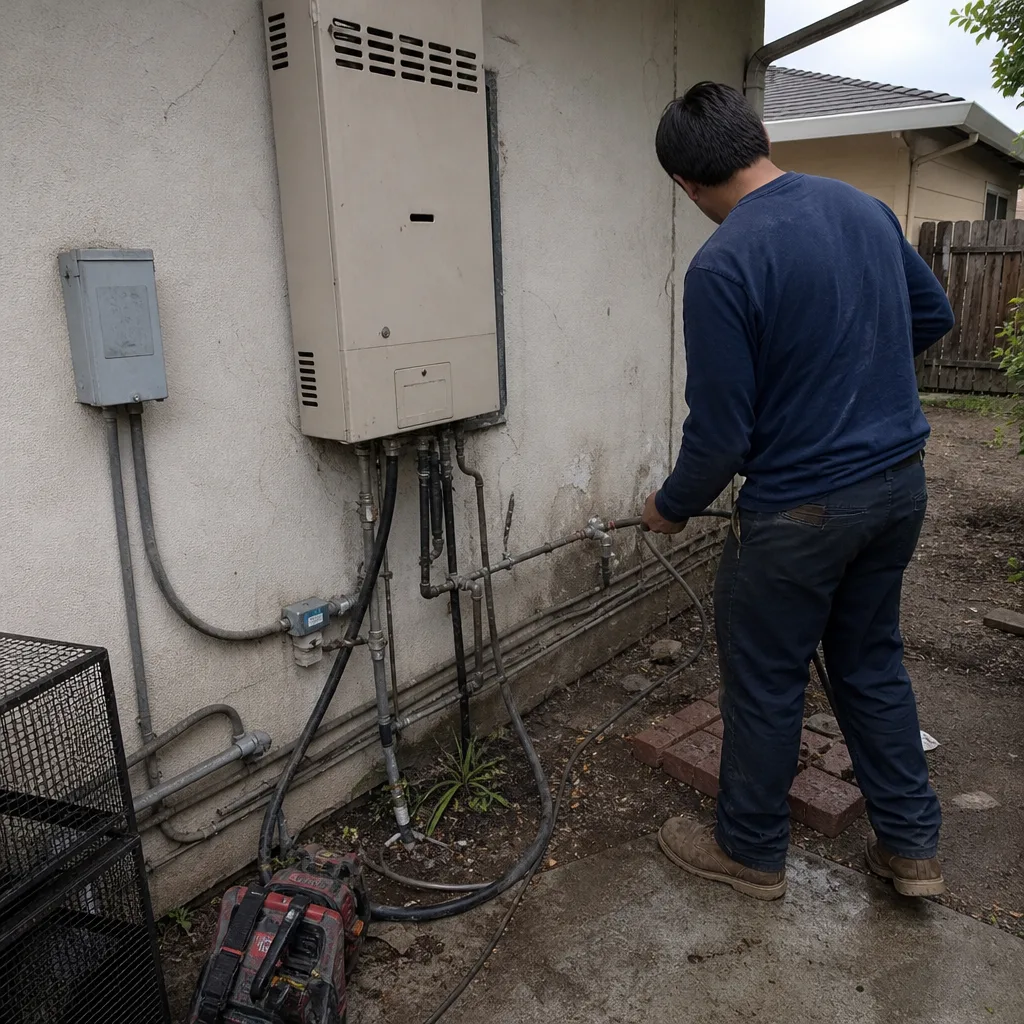 Before
 After
When to Call a Professional
Call a general contractor before you buy property you plan to renovate, before you sign a lease on a temporary home during construction, before you order a single cabinet or slab, and before you file for any permit yourself. Any project touching structure, plumbing, electrical, gas lines, or roofing involves genuine hazard: high-tension roof sheathing, energized panels, pressurized gas connections. A licensed contractor coordinates the work, but just as importantly, the contractor knows which parts of the job require a specialist. If you are planning a full kitchen remodel, an ADU, a roof replacement, a whole-home renovation, or any project that spans interior and exterior under one roof, call early. Silver Line Contractors offers free estimates in Gilroy, call (833) 400-1314, and we will walk the property with you before you commit to anything.
Frequently Asked Questions
A general contractor in Gilroy manages the entire residential construction process, including plans, permits, subcontractors, materials, inspections, and scheduling. For full-scope work like a kitchen remodel, addition, or ADU, the GC is the single point of accountability. Call (833) 400-1314 to talk through your specific project and get a free estimate.
In Gilroy, general contractors typically charge between 12% and 20% of the total project cost as their fee, on top of materials and subcontractor labor. For a $150,000 remodel, that means $18,000 to $30,000 in GC fees; for a $400,000 whole-home renovation, $48,000 to $80,000. Exact pricing depends on scope, materials, and whether the work includes exterior and hardscape elements. Call (833) 400-1314 for a written, line-item estimate for your project.
In Gilroy, a typical kitchen remodel takes 4 to 6 months, a bathroom 3 to 5 months, and an ADU 10 to 16 months from design through final inspection. The permit review phase alone commonly runs 10 to 14 weeks at Gilroy’s Community Development Department. Call (833) 400-1314 to get a realistic timeline for your specific scope.
Yes, any remodel that changes structure, plumbing, electrical, mechanical, or the building envelope requires a permit from the City of Gilroy. Working without a permit exposes you to code enforcement action, insurance complications, and disclosure issues at resale. Call (833) 400-1314 to find out whether your project needs a permit before you start.
Yes, a full-scope general contractor in Gilroy can coordinate all of those scopes under one contract, from the roof down to the driveway. That structure works only if the GC pulls the permits, manages every trade, and carries the project from pre-design through certificate of occupancy. Call (833) 400-1314 to discuss whether a single-contract arrangement fits your project.
Yes, in most Gilroy residential zones, an ADU that touches the ground requires a geotechnical soil report because of the expansive clay soils common across the city. The report determines foundation type and directly affects your budget. Call (833) 400-1314 and we will check your specific lot before you spend on design work.
The Bottom Line
Hiring a general contractor in Gilroy is not about finding someone with a truck and a tool belt. It is about finding a licensed, bonded GC who understands the city’s permit timeline, who knows what Gilroy’s clay soil does to a foundation, who pulls their own permits and stands behind them, and who has deep material access so you are choosing from real options rather than accepting whatever one supplier stocks. The right contractor explains the permit queue before you sign, shows you the CSLB license, locks material specs early, and runs every trade under one accountable roof. One contractor, every phase. Call (833) 400-1314 to schedule your free estimate, and let’s walk your Gilroy property together before you spend a dollar.
Written by the team at Silver Line Contractors, serving Gilroy since 2017. For more guides & resources, visit our blog.