

Last updated October 31, 2026
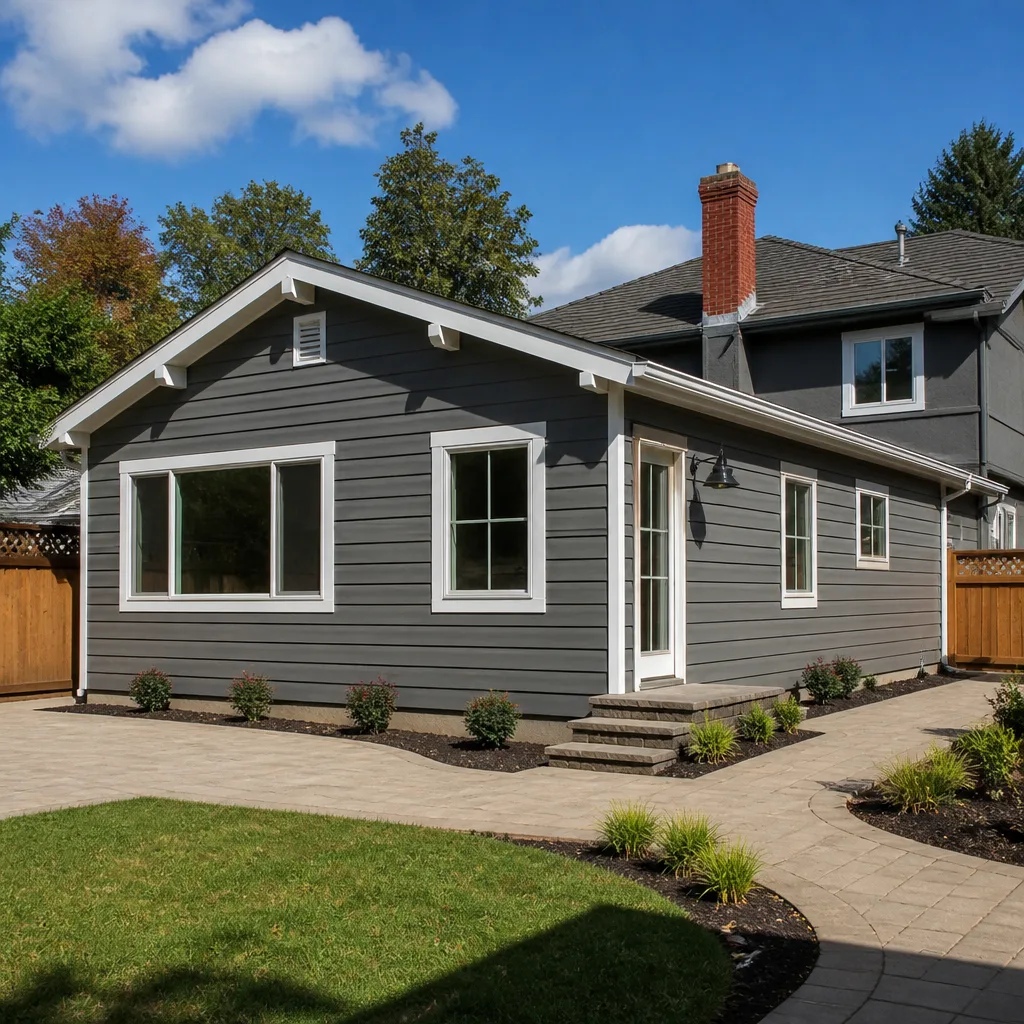 Home additions & ADU
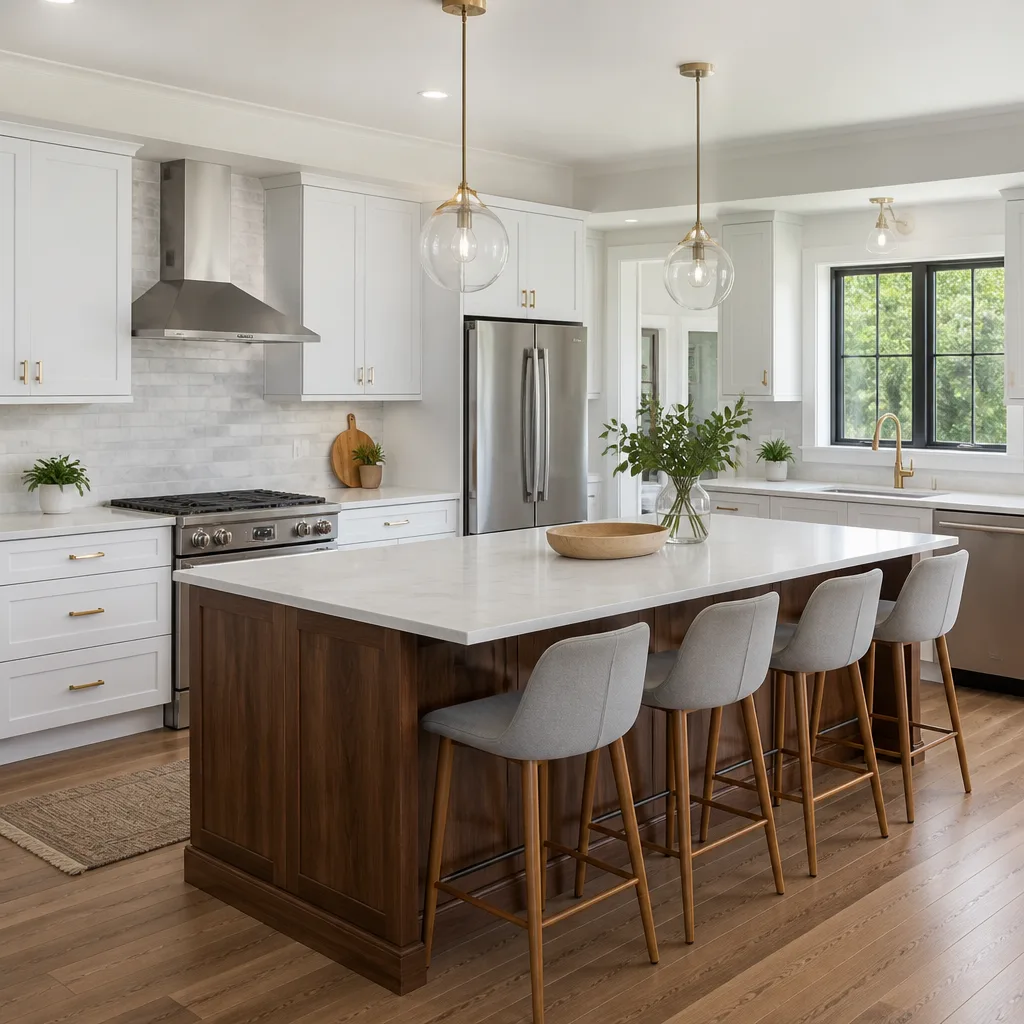 Kitchen remodeling
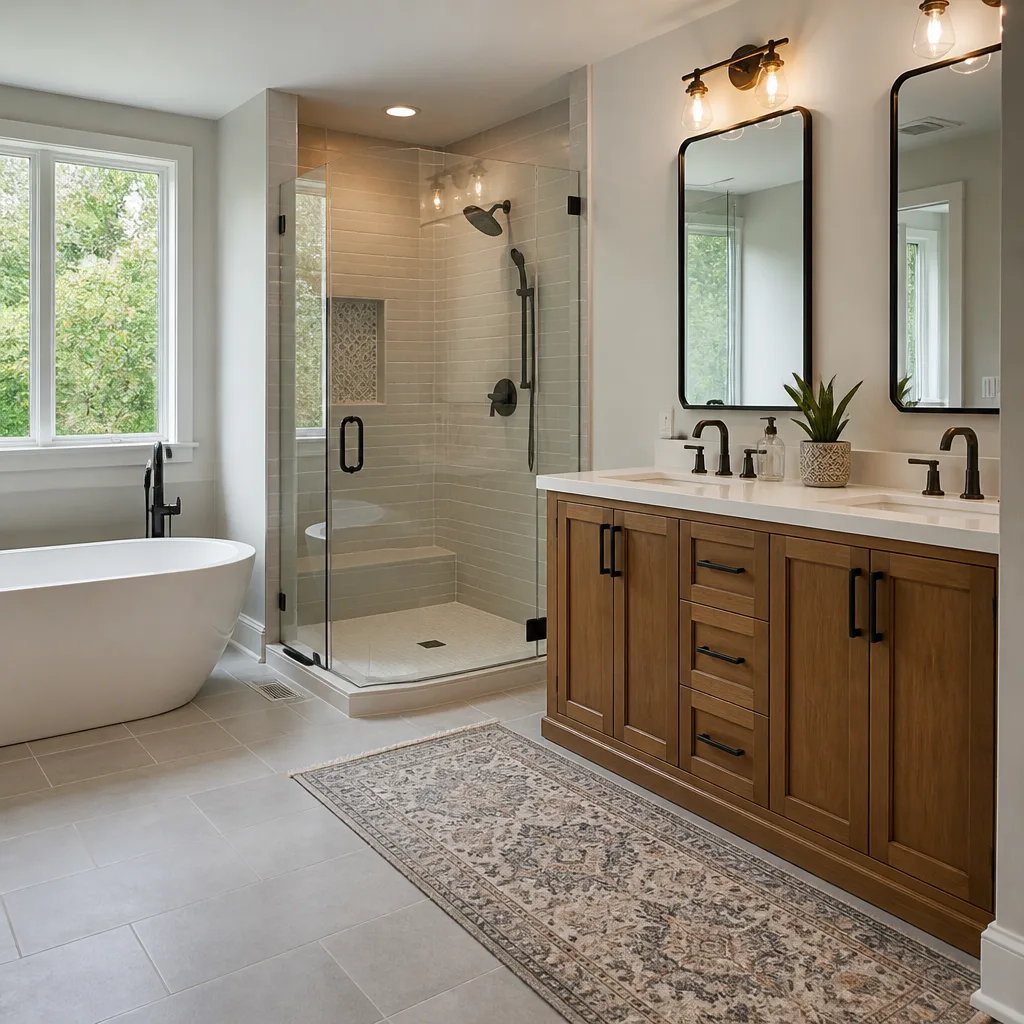 Bathroom remodeling
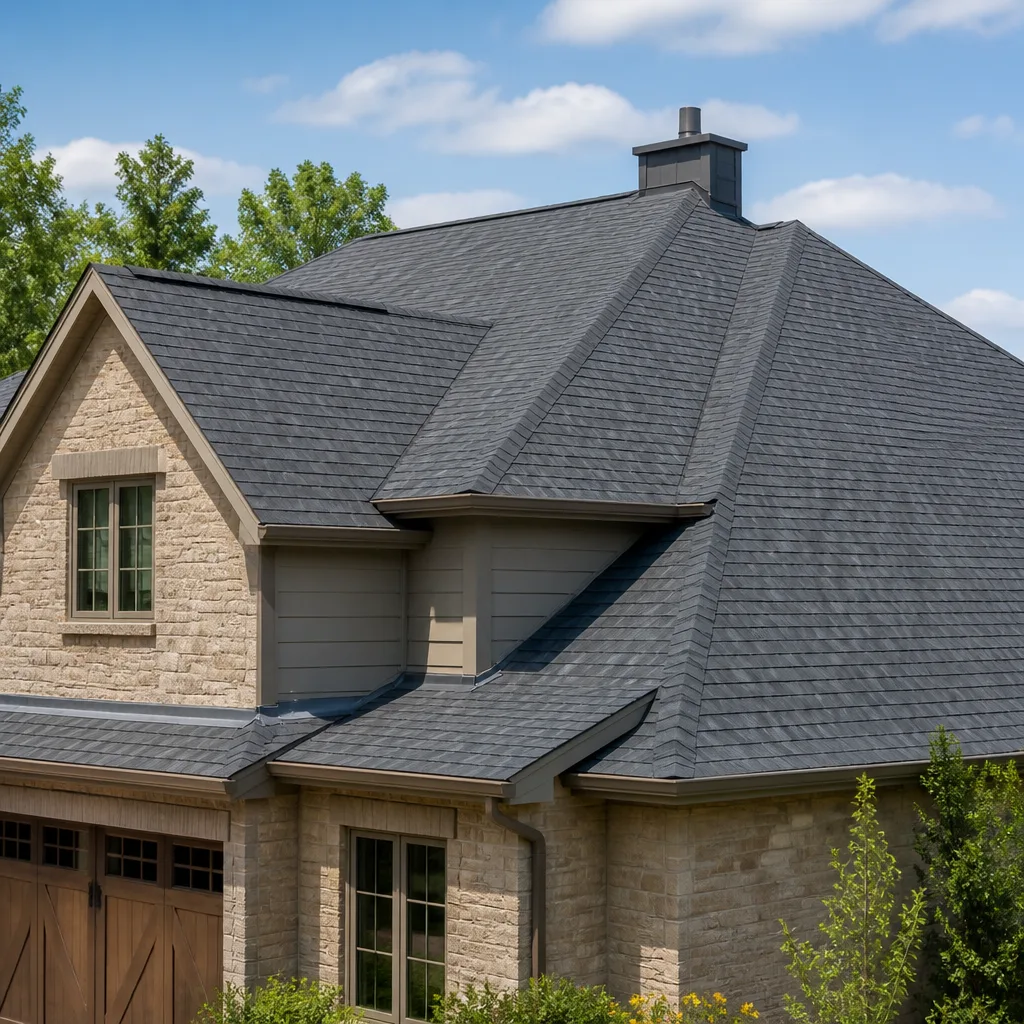 Roofing
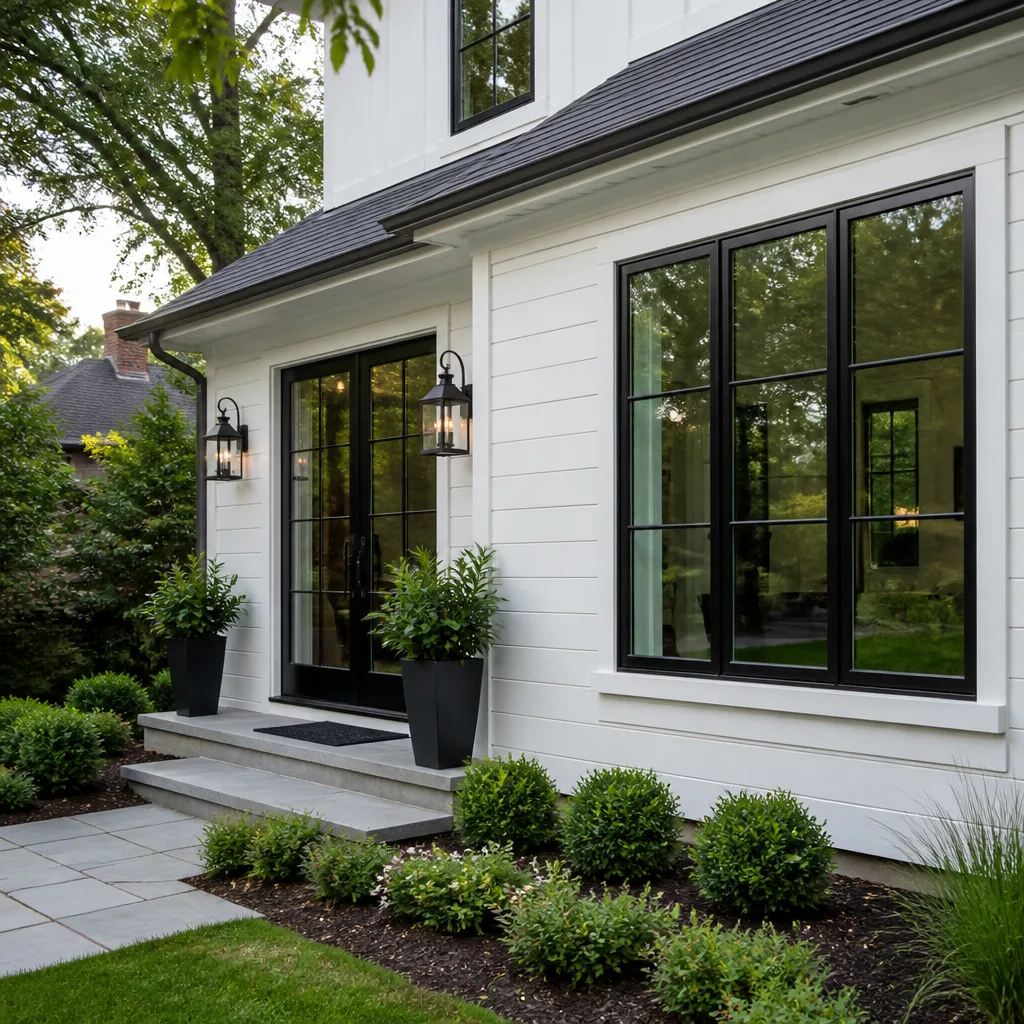 Windows & doors
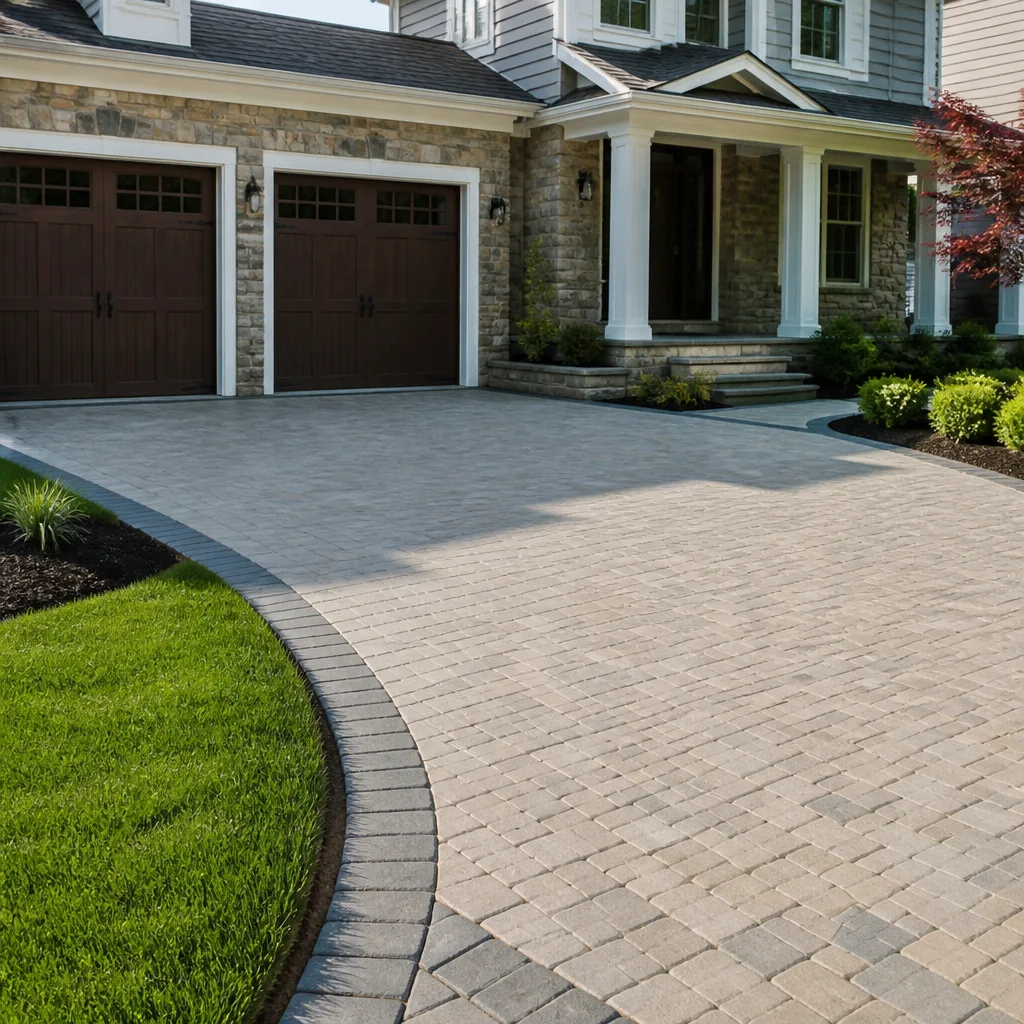 Driveway & pavers
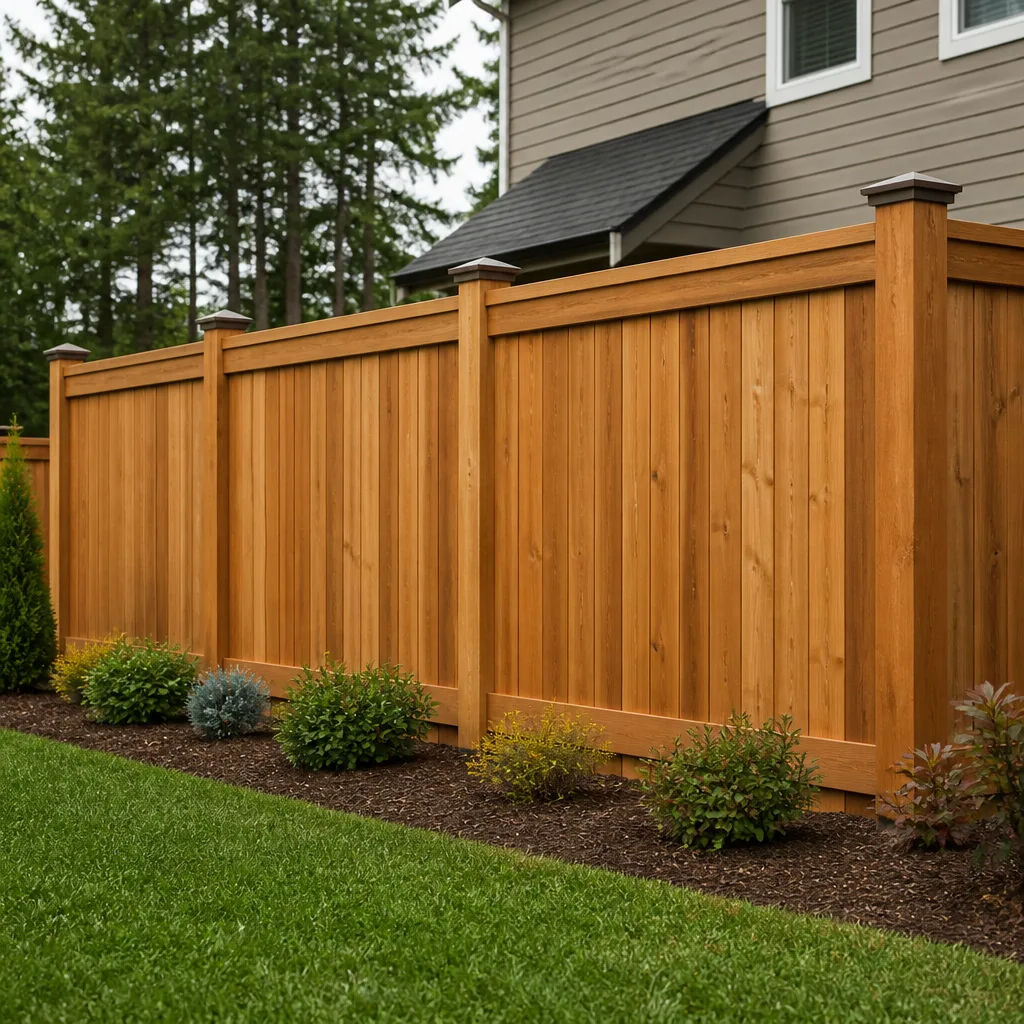 Fence
Free written scope consultation - allowances, timeline, and change-order rules on paper before a single trade is scheduled
Construction Cost Breakdown: The Gilroy Homeowner’s Reference for 2026
Every construction cost guide on the internet claims to tell you what your remodel will cost. Almost none of them account for where you actually live. The frequently cited “$150 – $250 per square foot for a kitchen remodel” range comes from national aggregators that blend San Francisco penthouses with rural Midwest projects. That’s a range so wide it’s financially useless. In Gilroy in 2026, a realistic mid-grade kitchen gut-renovation runs in a narrower, higher band, and knowing why helps you evaluate bids accurately instead of anchoring to a number that was never calibrated to this market. This guide breaks down construction costs using Gilroy-specific labor reality, permit fees, and material pricing, so you can budget with your eyes open. For more guides & resources on local construction, explore our blog.
Quick Answer
In Gilroy, California, expect to budget $350 – $550 per square foot for a mid-grade kitchen remodel, $250 – $450 per square foot for a bathroom remodel, $350 – $500 per square foot for an ADU, and $18 – $28 per square foot for a roof replacement in 2026. Soft costs, including permits, plan checks, and design fees, typically add another 8 – 14% to your total project budget. Labor availability in Gilroy, not material prices alone, drives most of the variance between contractor bids.
Styles & brands we work with
Table of Contents
- Kitchen Remodel Costs in Gilroy: 2026 Ranges
- Bathroom Remodel Costs: What Gilroy Homeowners Actually Pay
- ADU Construction Costs: Detached, Attached, and Prefab
- Roof Replacement Costs: Materials, Labor, and Timing
- Gilroy Permit Fees and Soft Costs: The Budget Line Most People Forget
- The Labor Cost Reality in a Non-Metro Market
- Material Escalation Factors for 2026: What’s Stabilized and What Hasn’t
- Single-Contract vs. Self-Managing: The Real Math
- Deck and Outdoor Construction Costs in Gilroy
Kitchen Remodel Costs in Gilroy: 2026 Ranges
A kitchen remodel in Gilroy costs between $45,000 and $110,000 for a typical 150 – 200 square foot kitchen, depending on finish level. That’s a tighter range than what national data suggests, and the reason is local: most Gilroy kitchens in homes built between the 1970s and early 2000s have similar footprints, similar cabinet layouts, and similar electrical and plumbing conditions, which makes pricing more predictable for contractors who work this market consistently.
| Finish Level | Typical Scope | Cost Range (150 – 200 sq ft) |
|---|---|---|
| Entry / Cosmetic | Refaced cabinets, laminate countertops, new sink and faucet, vinyl or basic tile flooring, no layout changes | $35,000 – $50,000 |
| Mid-Grade / Standard Gut | Semi-custom cabinets (KraftMaid or Wellborn), Cambria or Silestone quartz countertops, relocated plumbing within the same wall, new lighting plan, LVP or porcelain tile flooring | $55,000 – $85,000 |
| High-End / Full Custom | Custom cabinetry, Caesarstone countertops, premium fixtures (Grohe, Toto, Kohler), layout changes involving load-bearing walls, custom range hood, under-cabinet lighting, upgraded electrical panel if required | $90,000 – $140,000 |
What Drives the Spread
Three variables explain most of the price difference between the low and high ends of a Gilroy kitchen remodel. First: electrical panel capacity. Homes in parts of Gilroy Heights and the older sections near downtown were built before modern code requirements for GFCI and AFCI circuits, so consult our Construction Warning Signs: A Gilroy Homeowner’s Reference Guide to spot these issues early. If your panel is 100 amps or less, adding a dedicated circuit for a wall oven or induction cooktop often triggers a panel upgrade, which adds $3,500 – $7,000 on its own. Second: whether you’re moving plumbing. A kitchen sink relocation that crosses a joist bay is a different project than dropping a new sink where the old one was. Third: material selection at the countertop and cabinet level. Cambria and Caesarstone run 20 – 35% higher than a mid-tier quartz from Silestone, and semi-custom cabinets from Wellborn land meaningfully below fully custom millwork.
For a broader look at what a whole-home project includes in this area, see our Home Remodeling in Gilroy page, where we walk through scope planning for multi-room work.
Bathroom Remodel Costs: What Gilroy Homeowners Actually Pay
Expect to budget $18,000 – $45,000 for a full bathroom remodel in Gilroy in 2026, with master bathrooms running $35,000 – $75,000. The spread depends on whether you’re doing a guest-bath refresh or a full gut with tile, glass, and plumbing relocation. Unlike kitchens, bathroom costs in Gilroy are heavily influenced by tile labor, and local tile setters who do genuine waterproofing work are not abundant, which we’ll address further in the labor section.
Bathroom Cost Components That Surprise People
- Waterproofing: A properly waterproofed shower pan using a system like Schluter or a hot-mop application costs $2,000 – $4,500 before a single tile goes up. Contractors who quote a shower remodel at $7,000 are skipping this step. A failed shower pan in Gilroy’s hard-water environment becomes a subfloor rot problem within five years.
- Glass enclosures: Frameless glass for a standard 60-inch shower runs $2,800 – $5,000, and heavy-glass systems with custom hinges from premium fabricators push toward $6,500. This line item surprises first-time remodelers.
- Fixtures: A Toto or Grohe fixtures package for a master bath runs $1,800 – $4,500, while an American Standard or Moen package can land at $700 – $1,500. Both are fine fixtures; the difference is finish durability and valve quality.
- Tile labor: Large-format tile (24×48) has a higher labor cost per square foot than 12×24, even though the material cost is similar. Gilroy floor heights and 1970s-era subfloor deflection often require cement board and sometimes self-leveler before install, adding $1,200 – $3,000 to the scope.
If you’re considering a broader renovation that includes bathrooms alongside other rooms, our Home Renovation in Gilroy guide covers how multi-scope projects are sequenced and priced.
ADU Construction Costs: Detached, Attached, and Prefab
A detached accessory dwelling unit in Gilroy runs $280,000 – $450,000 for a 600 – 1,000 square foot unit in 2026, including site work, utilities, and finish. Attached conversions of existing garage space run $180,000 – $300,000. Prefab ADU systems from companies like Abodu, Dvele, or Boxabl land in a narrower band of $250,000 – $420,000 depending on site conditions and whether the model is a single-module studio or a multi-module two-bedroom, and they typically cut construction time by 30 – 50% compared to stick-built.
Why ADU Costs in Gilroy Are Not What You See Online
Most ADU cost guides quote statewide averages that ignore local site work. In Gilroy, the variables that shift your ADU budget are:
- Sewer or septic connection: Many Gilroy properties outside the denser downtown core are on septic. An ADU may require a septic system upgrade or a connection to municipal sewer if available, which is a $15,000 – $40,000 line item that rarely appears in generic estimates.
- Utility trenching: Running power from the main panel to a detached ADU 60 – 100 feet from the house costs $6,000 – $14,000 in trenching, conduit, and restoration in Gilroy’s clay-heavy soil, which is slower to excavate than the sandy soils closer to the coast.
- Fire hardening requirements: Wildfire-adjacent zones in the hills east of Gilroy trigger defensible space requirements and sometimes sprinkler mandates, which can add $8,000 – $20,000 depending on the parcel.
- School district fees: Gilroy Unified School District levies impact fees on new residential square footage. Budget $4 – $6 per square foot for school fees on top of city permit fees.
Silver Line Contractors handles ADU construction through prefab partnerships with Abodu, Dvele, Boxabl, and Plant Prefab, alongside conventional stick-built ADUs. That means you get a real comparison of cost and timeline between prefab and site-built, from one General Contractor in Gilroy.
Roof Replacement Costs: Materials, Labor, and Timing
A full roof replacement on a typical 1,800 – 2,200 square foot single-story Gilroy home runs $14,000 – $28,000 in 2026 for architectural asphalt shingles from GAF, CertainTeed, or Owens Corning. That’s roughly $18 – $28 per square foot when you account for tear-off, underlayment, flashing, and drip edge. Tile and metal roofs run higher: $28,000 – $60,000 depending on profile and whether the existing tile roof structure needs seismic retrofit strapping, which is common on 1970s and 1980s homes in the foothills north and east of downtown.
The Roofing Labor Factor in Gilroy
Gilroy roofing crews are generally available within one to three weeks, which is better than San Jose’s four-to-eight-week schedule. But the tradeoff is that some roofing specialties, like standing-seam metal or synthetic slate, require mobilization from San Jose or Salinas companies. The mobilization cost gets passed through as a line item, typically $800 – $1,500 per crew. If you want architectural shingles from Owens Corning or GAF installed by a local crew, you’re in the most competitive part of the market, and bids will cluster more tightly.
Gilroy’s summer roof replacement window runs June through October. Planning a roof for November through March means you’re competing with storm-repair work, and material availability for CertainTeed dimensional shingles in popular colors like Weathered Wood has been tighter in Q4. Contractors with direct manufacturer relationships through programs like GAF’s contractor network get priority allocation, which is a real scheduling advantage.
Gilroy Permit Fees and Soft Costs: The Budget Line Most People Forget
Plan for permits, plan checks, and school district fees to add $6,000 – $18,000 to a typical remodel project in Gilroy, and $20,000 – $40,000 on an ADU or major addition. See our Construction Permits, Codes & Inspections in CA: What You Need to Know for deeper detail. That’s before design fees, engineering, or structural calculations. Gilroy’s permit fee schedule is based on valuation, and the city’s building department charges both a plan check fee and an inspection fee at percentages of the project’s declared value.
What Gilroy’s Soft Costs Actually Look Like
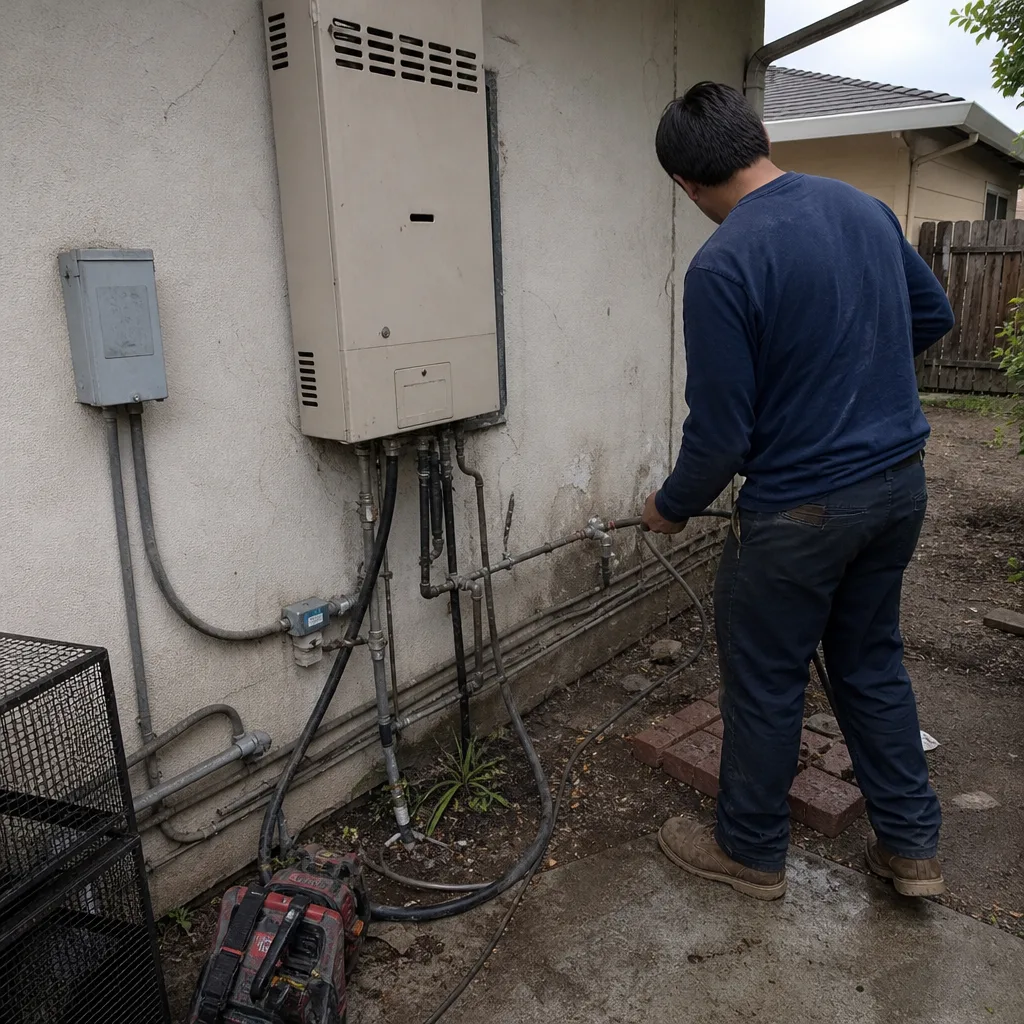
- Building permit: Generally 1 – 1.5% of project valuation, with a minimum fee floor. A $60,000 kitchen remodel with a declared valuation of $60,000 produces a building permit fee of roughly $650 – $950. Galvanized gas pipe replacement or panel upgrades are separate permits and separate fees.
- Plan check fee: Approximately 65 – 80% of the building permit fee in Gilroy, charged at submission. Re-submittal reviews add another round of fees, which is why having a contractor who produces code-compliant drawings the first time matters.
- School district fees: Levied on new square footage, including ADUs and additions, at $4 – $6 per square foot as of the current schedule. A 750 square foot ADU carries roughly $3,000 – $4,500 in school impact fees.
- Engineering: Structural calculations for a load-bearing wall removal run $800 – $1,700. A full set of stamped drawings for an ADU runs $8,000 – $18,000 depending on site complexity and whether soils reports are required.
- Design fees: For design-build work, expect $4,000 – $15,000 for a kitchen or bath, and $15,000 – $40,000 for an ADU or whole-home project when architectural design is included in the same contract.
One of the structural advantages of a single-contract approach is that these soft costs are predictable line items on one bid, not surprises billed across three or four vendors.
The Labor Cost Reality in a Non-Metro Market
Gilroy sits in a strange labor position. It’s close enough to San Jose that some trades commute, but far enough that dispatch fees and mobilization from San Jose or Salinas are real budget items. The trades you can reliably source locally in Gilroy: framing crews, general carpentry, roofing, concrete flatwork, and fencing. The trades that often require mobilization: custom millwork shops (usually Santa Cruz or San Jose), structural steel fabrication, and high-end stone countertop fabricators who template Cambria or Caesarstone slabs, typically coming from San Jose or Morgan Hill.
How Mobilization Shows Up in Your Bid
- Tile setters: Good waterproofing-first tile setters are scarce in South County. Expect to pay 10 – 18% more for a skilled shower tile installer who comes from San Jose than you’d pay for a standard floor tile crew.
- Countertop fabricators: Cambria and Caesarstone authorized fabricators are concentrated in the San Jose metro. Templating and installation fees for Gilroy projects carry a $400 – $900 travel premium versus a Morgan Hill or San Jose address.
- Electricians: Gilroy has a handful of strong residential electrical firms, but panel upgrade work often gets scheduled two to four weeks out. If you’re doing a kitchen remodel that requires a panel upgrade, lock the electrician’s schedule before demolition starts, not after.
- Plumbers: South County plumbing availability is adequate, but re-pipe work in older Gilroy homes with galvanized supply lines is a specialized job that often pulls plumbers from Salinas, adding travel time to the labor estimate.
The practical takeaway: a Gilroy bid that’s 8 – 15% lower than a San Jose bid for the same scope is normal and expected. A Gilroy bid that’s 40% lower is a red flag, because material costs are flat across the Bay Area and labor savings in a non-metro market have a ceiling.
Material Escalation Factors for 2026: What’s Stabilized and What Hasn’t
Some construction material categories have settled into predictable pricing, while others remain volatile. Here’s the honest picture for 2026 project planning.
Stabilized Categories
- Structural lumber: Framing lumber prices have been within a 6% band for over 18 months. A standard SPF 2×4 costs roughly $3 – $4.50 at retail in the South Bay, depending on volume purchases, and contractors buying direct from lumberyards see better consistency. This is good news for ADU and addition budgets.
- Gypsum and drywall: Supply has normalized. Pricing is flat year-over-year and lead times are short.
- Architectural asphalt shingles: GAF, CertainTeed, and Owens Corning have stable pricing and reliable allocation through major distributors. Colors with lower volume sometimes carry a 8 – 12 week lead time, but the core palettes are available.
- Mid-grade quartz: Silestone and similar mid-tier quartz products have steadied after several years of shipping volatility. Cambria and Caesarstone carry premium pricing, roughly 20 – 35% above Silestone, reflecting both slab quality and manufacturer warranty programs, but those premiums have been stable.
Still Volatile Categories
- Windows and doors: Impact-rated lines from manufacturers like PGT, CGI, and ECO Window Systems have lead times ranging from 6 to 16 weeks depending on product configuration. Custom sizing adds 3 – 5 weeks. Budget for this early: window orders should be placed before demo begins on any project that includes them.
- Electrical components: Panels, breakers, and especially specialty AFCI/GFCI breakers still see periodic allocation issues. A 200-amp panel upgrade can run $4,500 – $8,000 in Gilroy, and breaker availability sometimes dictates which manufacturer gets spec’d.
- Copper piping and fittings: Copper has been volatile for three years straight. Re-pipe work on older Gilroy homes with galvanized supply lines should carry a 15% contingency, because copper pricing can move between bid and permit.
- Fencing and railing: Steel and aluminum fence panel pricing from manufacturers like Master Halco and Barrette has been steadier than 2022, but powder-coating lead times for custom colors can stretch to 5 – 7 weeks. Cedar and redwood picket pricing is more predictable but waste factors are higher on lower grades of lumber.
Single-Contract vs. Self-Managing: The Real Math
Homeowners sometimes assume that acting as their own general contractor saves 20 – 25%, because that’s roughly what a general contractor’s markup looks like on paper. In practice, the math is rarely that clean. Here’s the honest breakdown of what self-managing actually costs you in Gilroy.
- Subcontractor pricing: Self-managing homeowners pay retail, or near-retail, pricing from subcontractors. A general contractor who runs five kitchen remodels a year in Gilroy is paying better rates from subs who value repeat work. The savings from self-managing a kitchen remodel, after accounting for the GC’s markup, is typically 8 – 12%, not 20 – 25%.
- Your time has a value: Managing a remodel means 10 – 20 hours a week of coordination during active construction, often during business hours when subs show up. If you’re employed, that time is either vacation days or lost income. For a 12-week kitchen remodel, that’s 120 – 240 hours of your life.
- Mistakes are expensive: A homeowner-managed project with no construction experience will burn through contingency on sequencing errors, incorrect material orders, and scope gaps. Common examples in Gilroy: ordering windows after the rough openings were framed to manufacturer specs instead of as-built measurements, or failing to schedule the electrical rough inspection before drywall goes up, which means tearing drywall back out.
- Warranty and accountability: If a homeowner hires a plumber directly and the shower pan leaks six months later, the plumber blames the tile setter. If you hire a general contractor, the leak is the general contractor’s problem. That accountability is a line item on a bid, but it’s one of the few line items that’s worth every dollar.
Silver Line Contractors works as a single-contract general contractor, carrying projects from exterior scope like roofing, James Hardie siding, and impact windows through interior kitchen and bath work, and on to hardscape like home exterior upgrades. That means one point of contact, one schedule, and one warranty path for a project that would otherwise require you to coordinate three or four separate companies.
Deck and Outdoor Construction Costs in Gilroy
A new pressure-treated or composite deck in Gilroy runs $45 – $85 per square foot, including framing, decking, railing, and stairs but excluding any upper-level waterproofing systems. A basic 300 square foot ground-level deck lands around $14,000 – $26,000 using pressure-treated lumber with Master Halco or Barrette railing, while a Trex or TimberTech composite deck with a multi-level design and premium railing can push $28,000 – $50,000 on the same footprint.
Gilroy-Specific Deck Factors
Gilroy’s freeze-thaw cycles are mild compared to the Sierra foothills, but the summer heat and UV exposure on east- and south-facing backyards is real. Composite decking like Trex holds color better in direct Gilroy sun than similar products from a decade ago, but we still recommend lighter color families for full-sun exposures. Ground contact lumber for posts should be rated for wet conditions, because irrigation overspray in Gilroy’s suburban lots keeps soil damp at deck post bases even during dry months. And if your deck is more than 30 inches above grade, Gilroy’s building code requires a permit and a set of stamped drawings, same as an interior remodel.
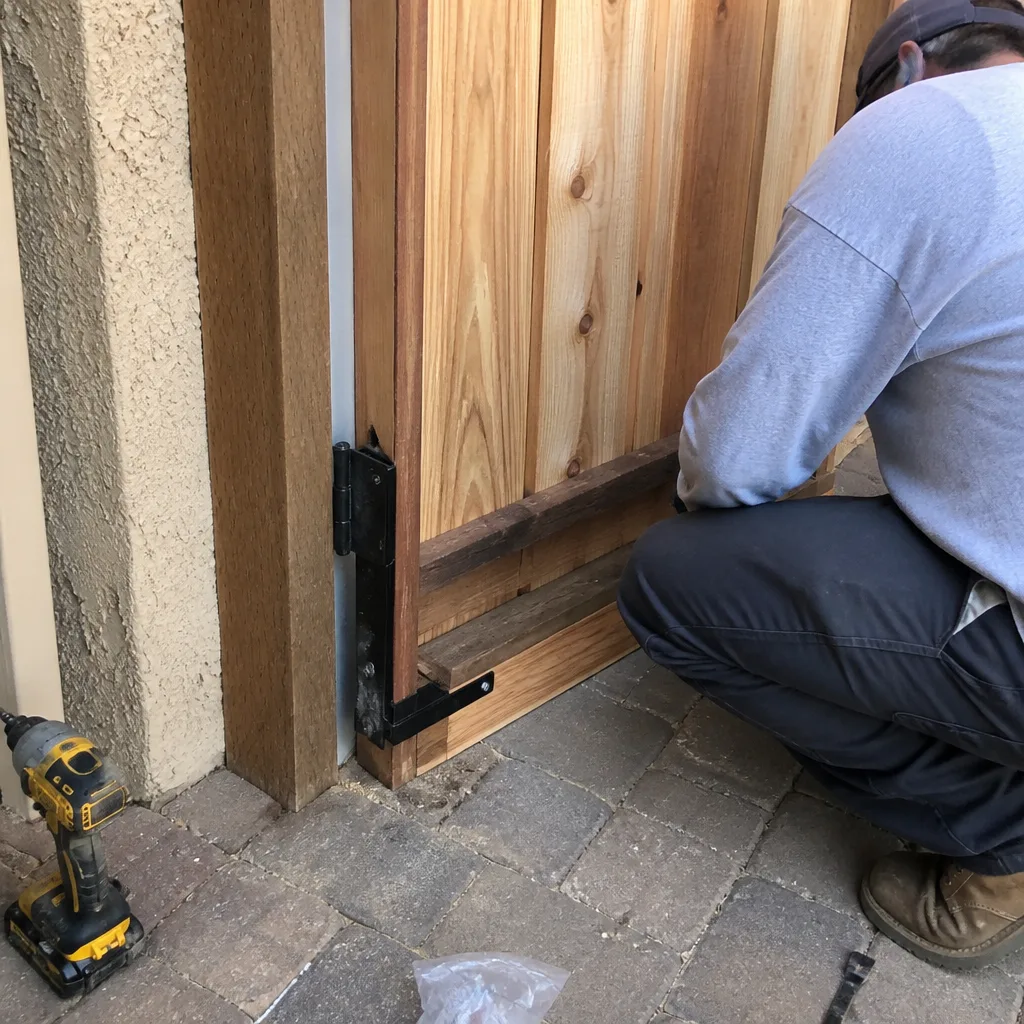
Fencing work follows the same pattern: steel and aluminum panel systems from Master Halco and Ameristar run $45 – $70 per linear foot installed, while cedar privacy fencing runs $35 – $55 per linear foot depending on post spacing and gate hardware. If you’re already replacing a fence as part of a broader hardscape plan, bundling it into one contract with paver work from Belgard or Techo-Bloc typically saves on mobilization costs, because the equipment and crew are already on site.
Common Mistakes to Avoid
- Anchoring to Bay Area-wide cost data: San Jose pricing includes higher overhead, and Central Valley pricing assumes labor that isn’t available in Gilroy. Neither number serves you. Use Gilroy-specific ranges from contractors who work this city, not national averages.
- Comparing bids without comparing scope: A $55,000 kitchen bid from one contractor may include a panel upgrade and waterproofing, while a $48,000 bid from another excludes both and will add them as change orders later. Compare line items, not bottom lines.
- Forgetting soft costs in the budget: Between permits, plan checks, school fees, and engineering, the soft costs on a Gilroy project run 8 – 14% of the hard construction cost. A $75,000 remodel is really an $82,000 – $88,000 project once you include the paperwork.
- Ordering windows and doors late: Impact-rated products from PGT, CGI, or ECO Window Systems have 6 – 16 week lead times. Ordering late means your drywall sits unfinished for a month waiting on the window package.
- Skipping waterproofing to save money: The most expensive mistake in bathroom construction is a cheap shower pan. In Gilroy’s hard water and older floor systems, a failed pan becomes a structural problem, not a cosmetic one.
- Self-managing a multi-scope project: A single bathroom, maybe. A kitchen plus a roof plus hardscape, no. The coordination burden and mistake potential create costs that erase the 8 – 12% savings you were chasing.
- Not asking about warranty paths before signing: Manufacturer warranties on brands like Cambria, CertainTeed, and James Hardie require installation by an authorized contractor. If your installer isn’t authorized, the manufacturer warranty is void. Confirm this in writing before work starts.
See the difference
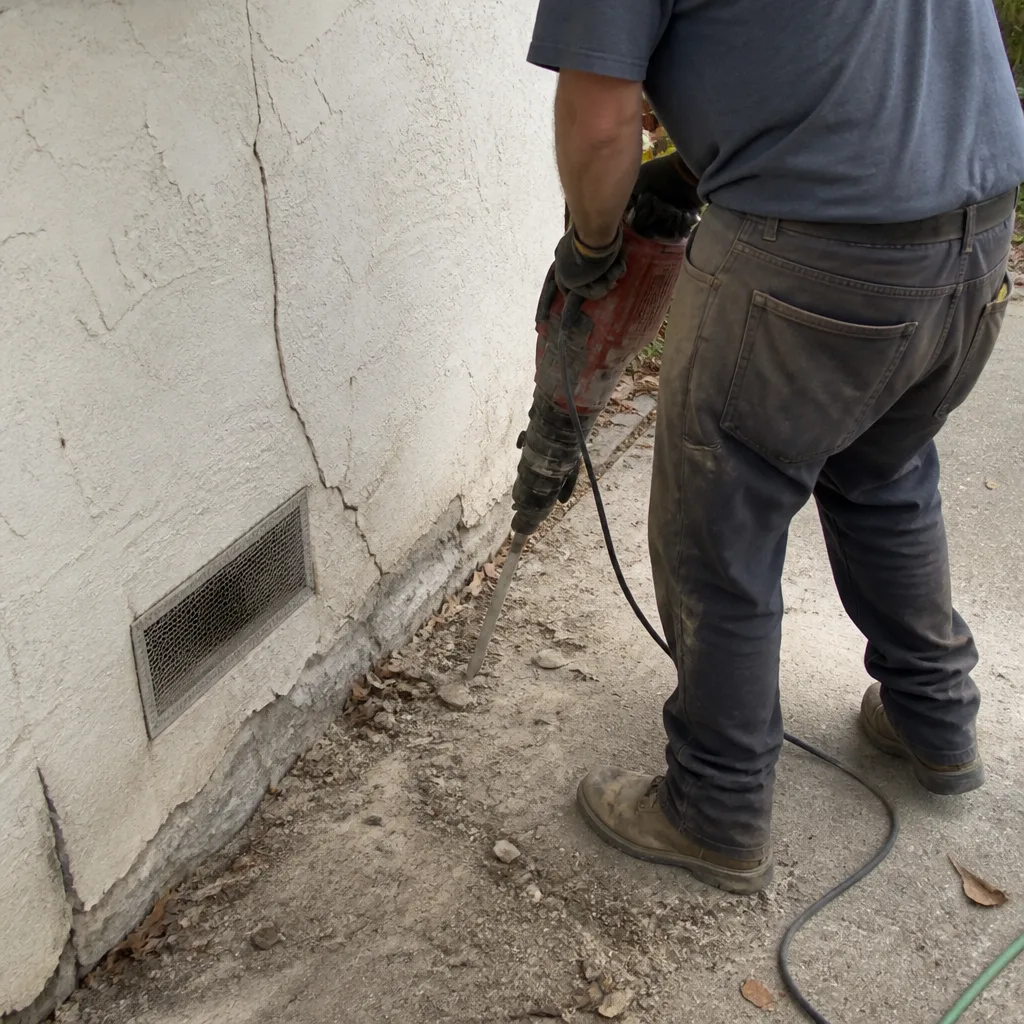 Before
 After
 Before
 After
 Before
 After
When to Call a Professional
Call a general contractor when your project touches more than one trade, when it involves structural changes, or when the total budget exceeds $25,000. A kitchen remodel with plumbing relocation, a panel upgrade, and a new window means coordinating a plumber, an electrician, a carpenter, and a window installer, and the sequencing of those trades is what determines whether the project takes 10 weeks or 20. If you’re planning an ADU, a full exterior envelope replacement, or a whole-home renovation, professional project management is not optional: it’s the difference between a project that closes out and a project that lingers. Review our Construction Emergency Preparedness Guide for Gilroy Homes to protect your investment. Silver Line Contractors offers free estimates in Gilroy. Call (833) 400-1314 to schedule yours.
Frequently Asked Questions
A mid-grade kitchen remodel in Gilroy runs $55,000 – $85,000 for a standard 150 – 200 square foot gut renovation in 2026. Entry-level cosmetic refreshes start around $35,000, and high-end custom kitchens with premium materials like Cambria countertops and Grohe fixtures run $90,000 – $140,000. Get an exact quote for your kitchen by calling (833) 400-1314.
A detached ADU in Gilroy costs $280,000 – $450,000 depending on size, site conditions, and whether you choose stick-built or prefab construction. Prefab ADUs from manufacturers like Abodu and Dvele typically run 10 – 20% less than custom stick-built and cut construction timelines by roughly a third. Call (833) 400-1314 to discuss whether prefab or conventional construction fits your lot.
Gilroy building permits cost roughly 1 – 1.5% of your project’s declared valuation, plus plan check fees of 65 – 80% of the permit fee, plus school district impact fees of $4 – $6 per square foot on new square footage. For a $75,000 remodel, expect $4,000 – $9,000 in total soft costs. A contractor familiar with Gilroy’s building department can produce compliant drawings the first time and avoid re-submittal fees.
Self-managing saves roughly 8 – 12% on paper, but that savings assumes you make zero sequencing mistakes and value your time at zero. Most homeowner-managed remodels with more than two trades burn through the savings in the form of rework, change orders, and the opportunity cost of your own time. For multi-scope work, a single-contract general contractor is typically cheaper in total.
A standard architectural shingle roof replacement on a 1,800 – 2,200 square foot home takes two to five days for the tear-off and install, with one day for the final inspection. Scheduling window in Gilroy is typically one to three weeks for local roofing crews, though Q4 scheduling tightens as storm repair work increases. Premium materials like standing-seam metal add three to seven days.
A full bathroom remodel in Gilroy runs $18,000 – $45,000, with master bathrooms at $35,000 – $75,000 depending on scope. The two largest cost drivers are waterproofing systems and tile labor, both of which are worth paying for in Gilroy homes with older subfloors and hard water. Schedule a free estimate by calling (833) 400-1314.
The Bottom Line
Construction costs in Gilroy in 2026 reflect a non-metro labor market with metro material pricing. That means mid-grade kitchen remodels run $55,000 – $85,000, bathrooms $18,000 – $45,000, ADUs $280,000 – $450,000, and roof replacements $14,000 – $28,000. Soft costs add 8 – 14% on top. The bids you collect will cluster around these ranges if you’re comparing accurate scopes, and any bid far below them is probably omitting something. The best way to get an honest number is to have a contractor who knows Gilroy walk your property and price your actual scope, not a national average.
Written by the team at Silver Line Contractors, serving Gilroy since 2017.