
Last updated October 31, 2026
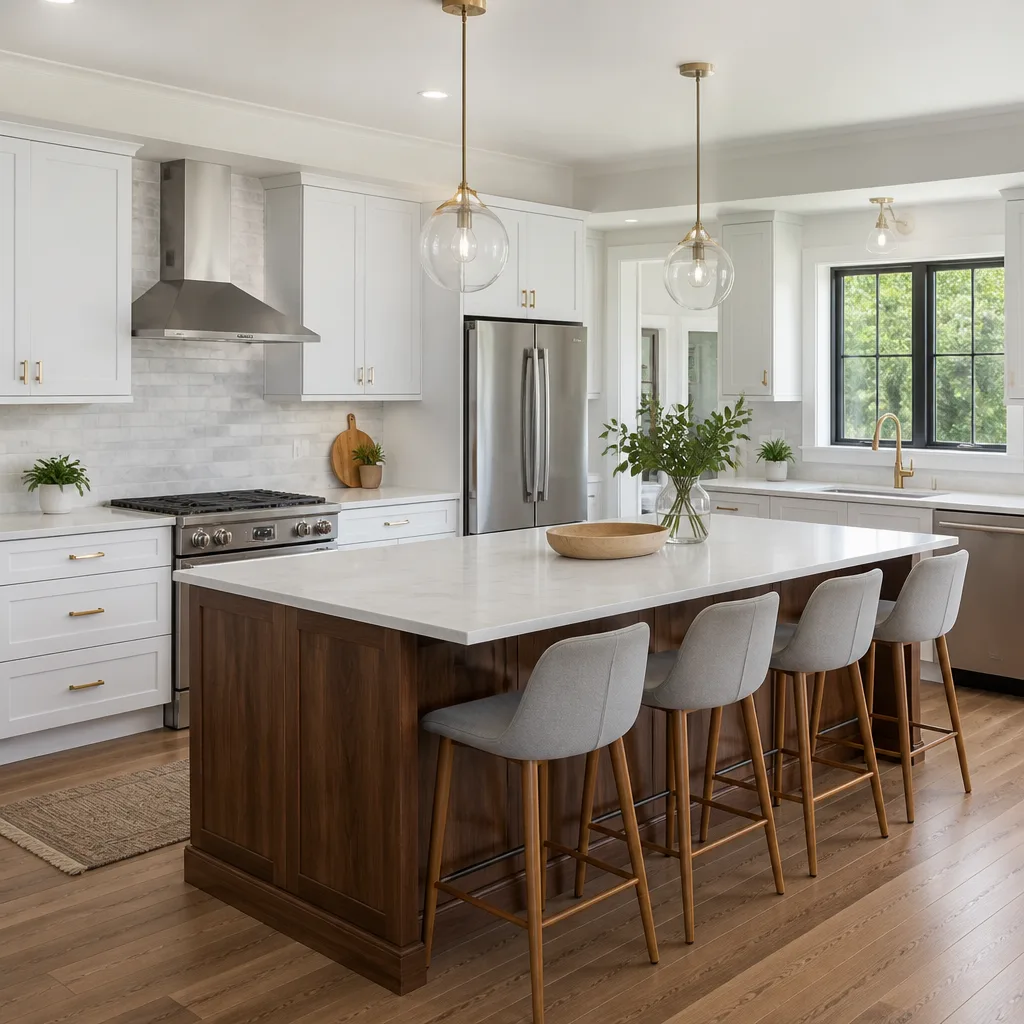 Kitchen remodeling
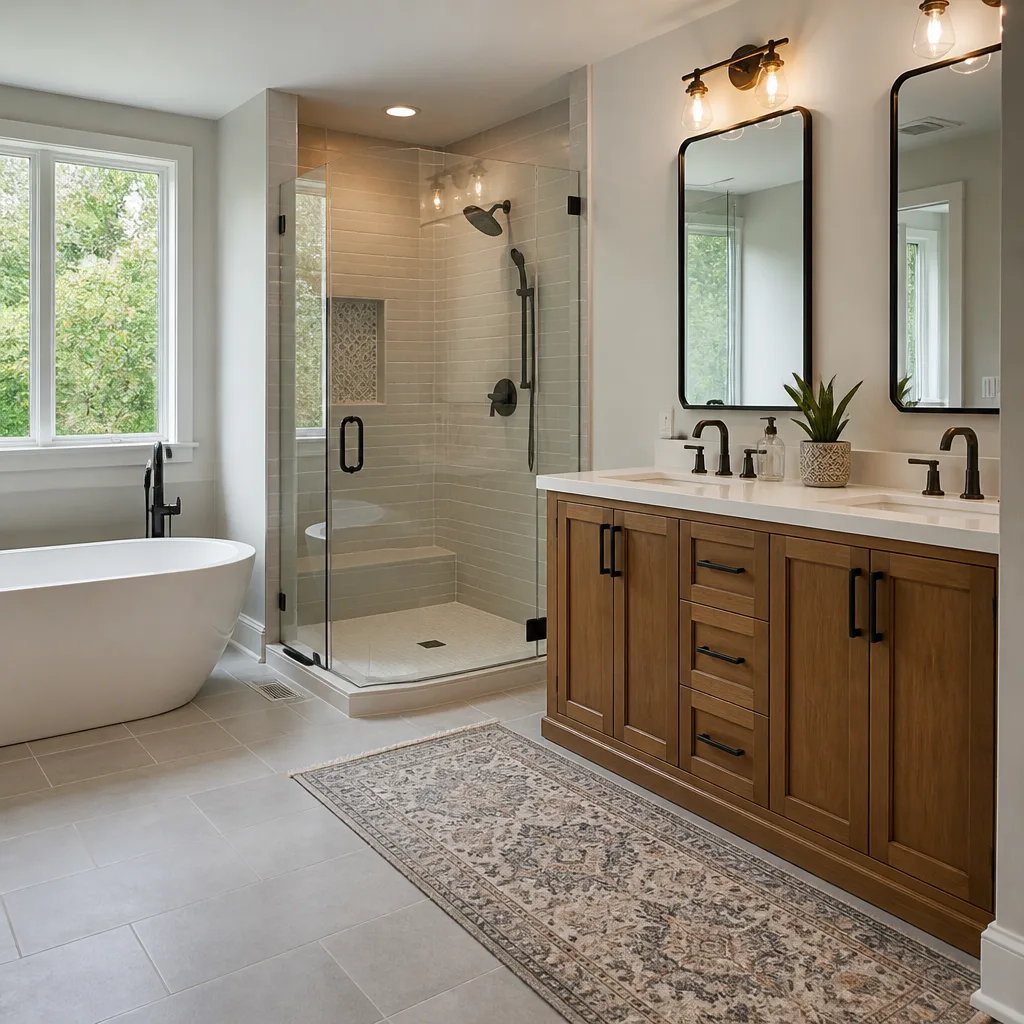 Bathroom remodeling
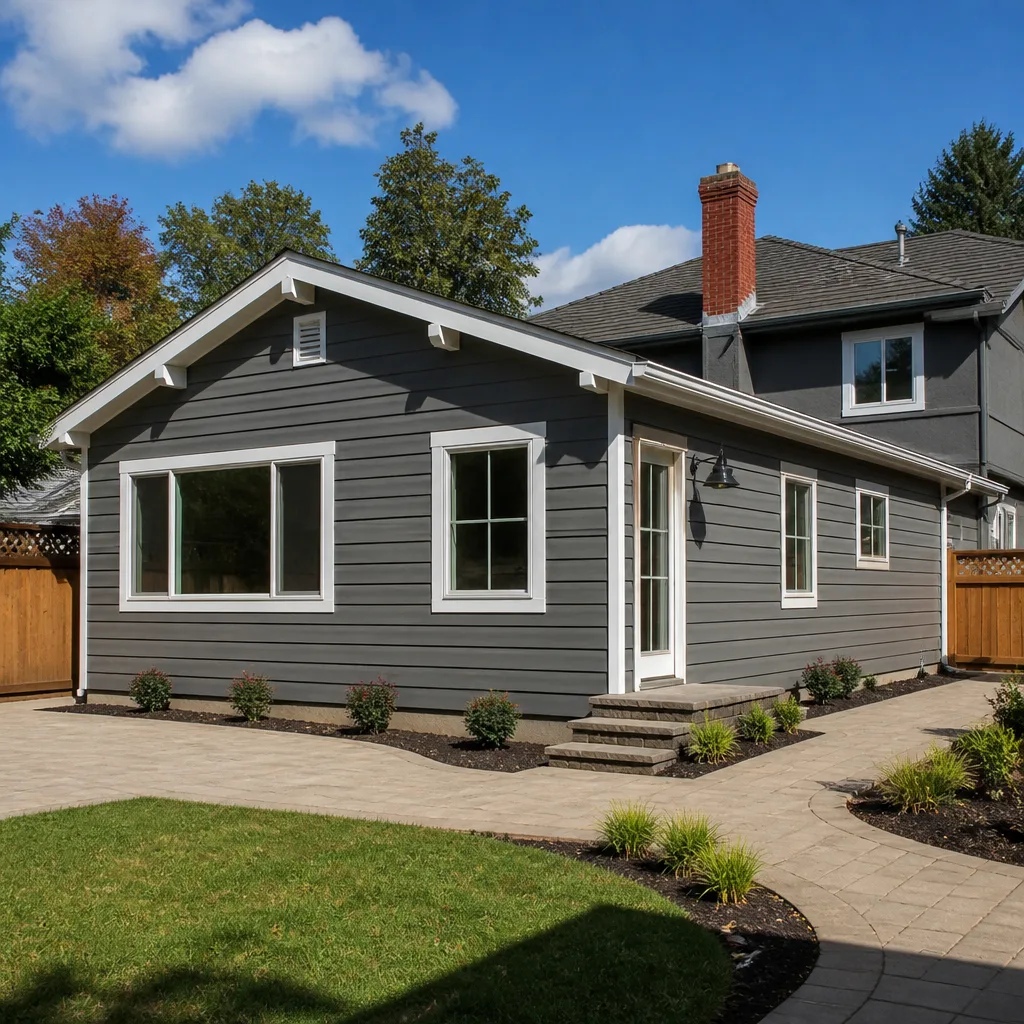 Home additions & ADU
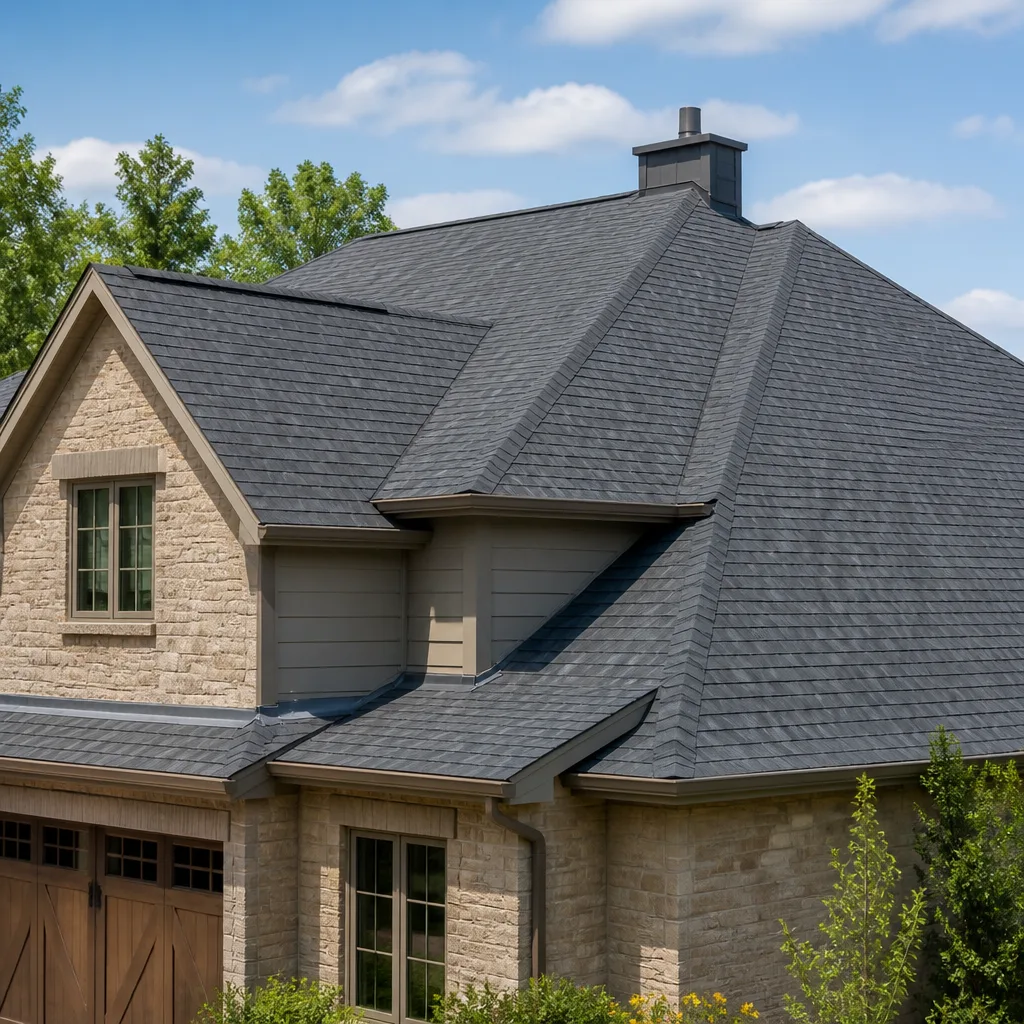 Roofing
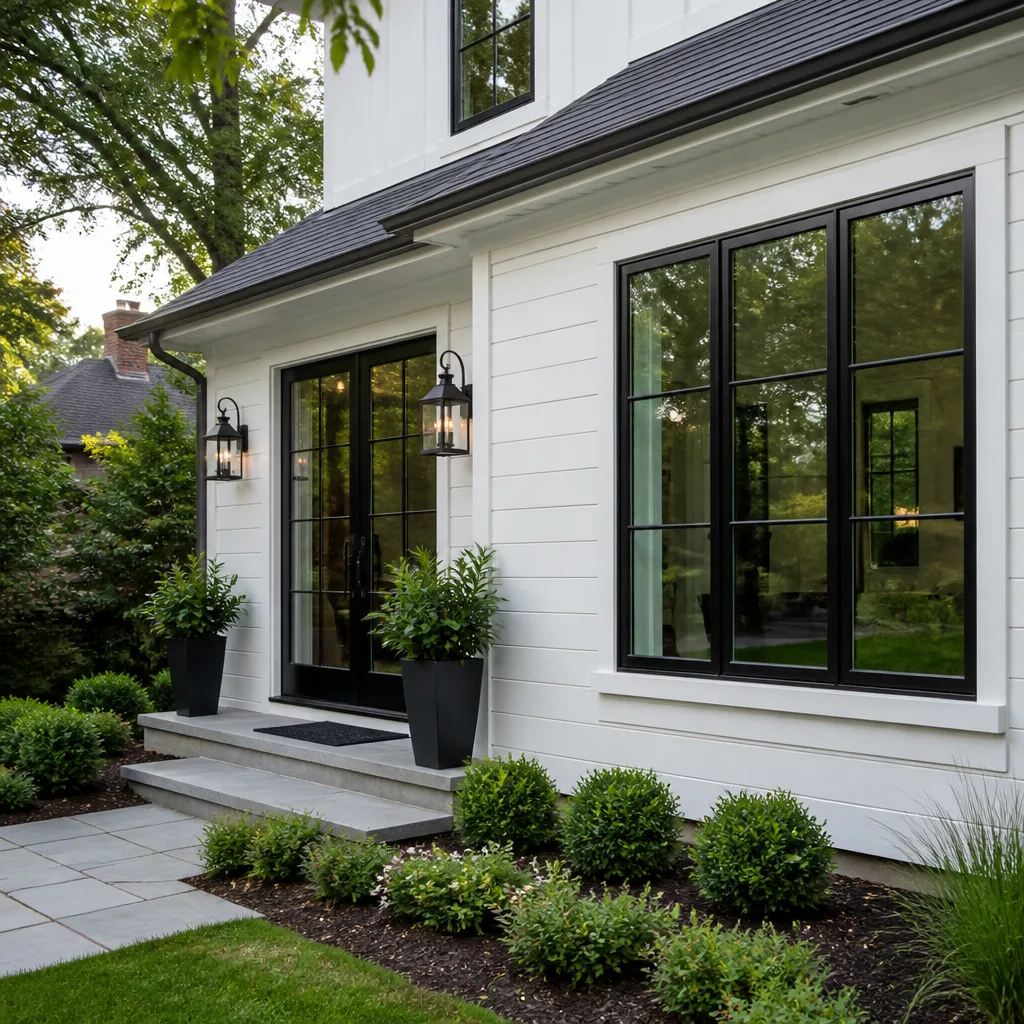 Windows & doors
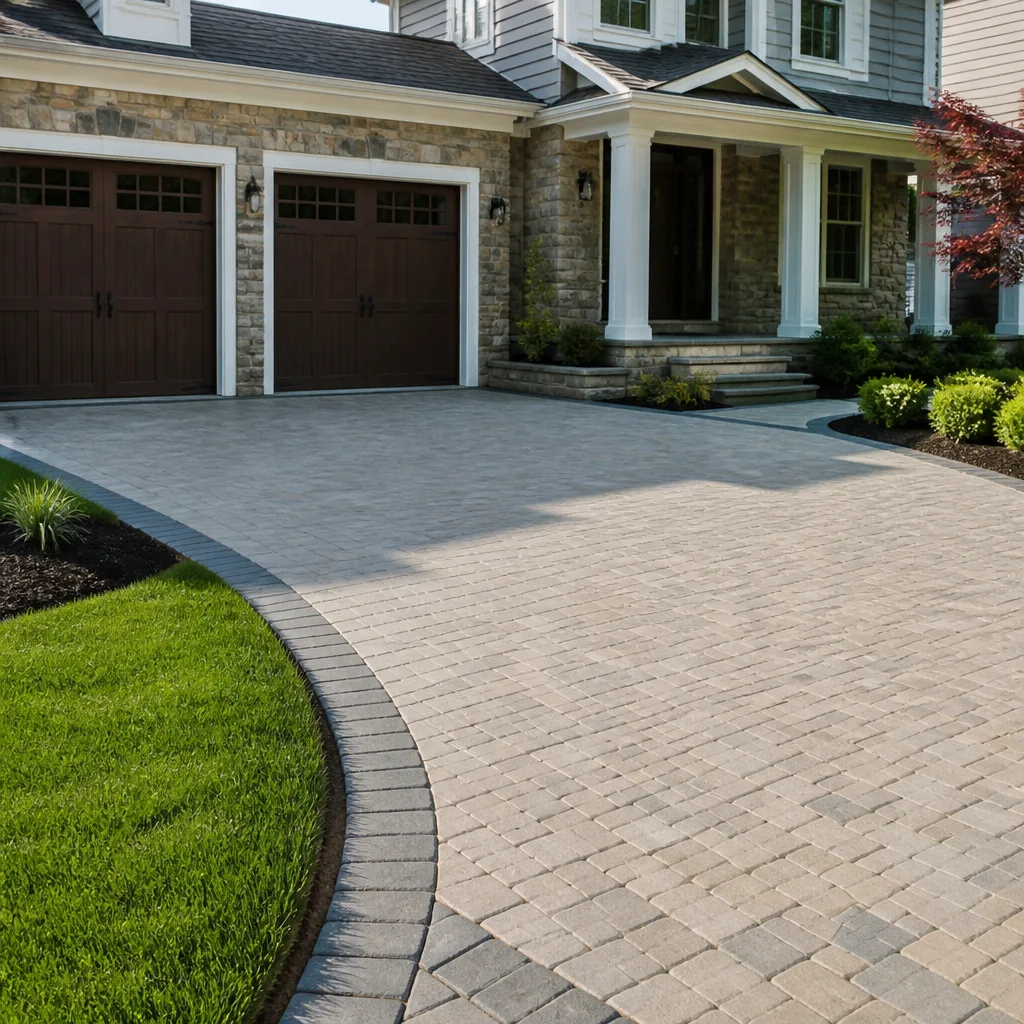 Driveway & pavers
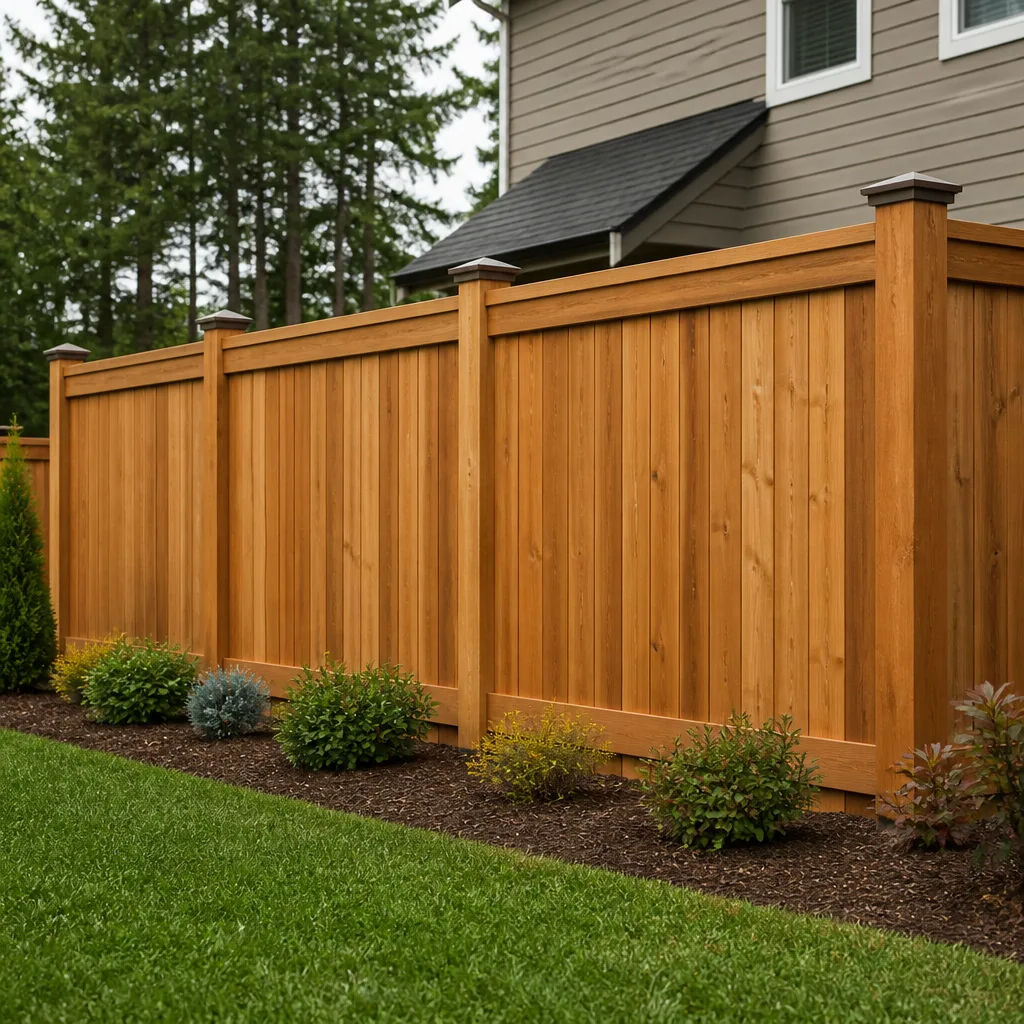 Fence
Free written scope consultation - allowances, timeline, and change-order rules on paper before a single trade is scheduled
Choosing the Right Construction Brand: A Buyer’s Guide for Gilroy
A 50-year architectural shingle carries that warranty only when installed by a certified roofing contractor using the manufacturer’s approved underlayment system. In many cases, the Gilroy homeowner who paid for the name-brand shingle has no idea their contractor’s certification status voided the full warranty before the first nail was driven. This guide explains how construction in Gilroy actually works: what the name buys you, what the fine print takes away, and how to verify that the contractor you hire can deliver what the brand promises. You’ll learn which product categories deserve premium spending in Gilroy’s climate and which ones don’t.
Styles & brands we work with
Quick Answer
The right construction brand for a Gilroy home is whichever one your contractor is currently certified to install, with warranty terms that hold up in California’s climate. Brand selection should follow three checks: verify the contractor’s active manufacturer certification, confirm the warranty’s labor coverage period, and match the material to Gilroy’s specific heat, wind, and soil conditions. A premium brand installed by an uncertified contractor is worth less than a mid-tier brand installed by a factory-trained crew.
Table of Contents
- What “Brand” Actually Means in Construction
- How to Verify a Contractor’s Manufacturer Certification
- Where Brand Matters Most for Gilroy’s Climate
- Where Mid-Tier Brands Perform Comparably
- The Warranty Fine Print That Matters
- Regional Availability and Gilroy-Area Suppliers
- What Your Contractor’s Material List Reveals
- Common Mistakes to Avoid
- When to Call a Professional
- Frequently Asked Questions
- The Bottom Line
What “Brand” Actually Means in Construction
In construction, a brand is not a logo or a marketing campaign. It is a three-part system: the manufacturer’s material specification, the warranty document, and the installer’s certification status. All three must align for the brand to perform as advertised. A homeowner buying a name-brand window has not purchased window performance. They’ve purchased a conditional promise, and the conditions are controlled by whoever installs it.
Take roofing as the clearest example. GAF, CertainTeed, and Owens Corning each maintain contractor certification programs with different tiers. CertainTeed’s SELECT ShingleMaster designation requires documented training and ongoing re-certification. GAF’s Master Elite program requires specific installation volume and customer satisfaction benchmarks. When a Gilroy homeowner hires a roofer without these credentials, the manufacturer’s extended warranty typically reverts to a basic material-only coverage that excludes labor and tear-off costs. The homeowner paid for a 50-year warranty and received a 10-year material replacement that covers only the shingle cost, not the crew that has to strip and re-install it.
The same logic applies across categories. Cambria quartz countertops carry a transferable lifetime warranty, but only when fabricated and installed by a Cambria-certified partner. Therma-Tru entry doors have specific flashing and sill-pan requirements. James Hardie siding requires installation per the manufacturer’s published best practices, including specific clearances and fastener schedules. Every premium brand writes exclusion clauses that hinge on installation quality. The brand is the contractor’s work, as much as it is the product on the pallet.
How to Verify a Contractor’s Manufacturer Certification
This is the step most homeowners skip, and it is the one that costs the most money when ignored. Manufacturer certification is a public, verifiable status. Nearly every major building products company maintains an online lookup tool where homeowners can enter a contractor’s name or ZIP code to confirm active credentials. Here is the process, in order:
- Get the contractor’s exact legal business name. Certification is tied to the company entity, not to the salesperson’s name or the owner’s nickname. Ask for it in writing on the estimate.
- Visit the manufacturer’s certification lookup page. Search for the brand plus “find a certified contractor.” GAF, CertainTeed, Owens Corning, James Hardie, and Cambria all have public tools.
- Check the certification tier. Many brands have graduated levels. A roofer certified as “GAF Certified” is not the same as “GAF Master Elite.” The higher tier typically carries longer labor warranty allowances and stronger manufacturer backing.
- Verify the certification is current. Look for an expiration or renewal date. Certifications lapse when contractors stop paying annual fees or fail re-training requirements. A lapsed certification voids the enhanced warranty.
- Confirm the certification covers the specific product line you’re buying. Some contractors are certified for basic asphalt shingles but not for premium standing seam or designer shingle lines. The certification must match the material on your contract.
In our experience reviewing project plans with Gilroy homeowners, we see certifications lapse far more often than homeowners expect. A contractor who was CertainTeed SELECT five years ago may have dropped the designation to save on fees. The homeowner’s warranty is the casualty. This verification takes ten minutes and can mean the difference between a 50-year warranty that covers labor and a 10-year prorated material-only guarantee.
Where Brand Matters Most for Gilroy’s Climate
Gilroy sits at the southern end of the Santa Clara Valley, where summer temperatures routinely reach the high 90s and UV exposure is relentless. Marine air moves through the Hecker Pass corridor in the mornings, then burns off into hot, dry afternoons. The soil in much of Gilroy is expansive clay that swells with winter rain and contracts through the dry season. These conditions determine which product categories justify premium brand spending and which do not.
Roofing is the top category where brand matters. Asphalt shingles in Gilroy face two primary threats: UV degradation and thermal cycling. A premium architectural shingle from GAF or CertainTeed uses a heavier fiberglass mat and a more UV-stable asphalt compound than builder-grade three-tab products. The difference is measurable in granule retention and long-term flexibility. A low-cost shingle on a south-facing Gilroy roof can show visible granule loss within eight to ten years. The same roof in premium shingles typically holds its surface for fifteen or more. The brand premium here is not cosmetic; it is directly tied to how the material responds to local sun exposure.
Exterior cladding is the second category where brand matters. James Hardie fiber cement siding carries specific engineered formulation for high-UV regions. It resists the fading and warping that vinyl siding exhibits in hot climates. Gilroy’s dry summers also create wildfire risk conditions where non-combustible cladding matters. James Hardie’s product line is tested and rated for fire resistance in a way that wood and vinyl are not. For homeowners in the hills east of Gilroy or along the western foothills, this is a material specification decision as much as an aesthetic one.
Windows and doors are the third category. The temperature swings between Gilroy’s cool mornings and hot afternoons put stress on window frames and seals. Premium brands like PGT and CGI build impact-rated products designed for high-wind coastal regions, which translates to better air sealing and UV resistance even when impact resistance is not required. The frame material and glazing quality in these brands is typically a grade above standard aluminum-framed windows that leak conditioned air and show seal failure within a decade.
Where Mid-Tier Brands Perform Comparably
Not every product category in a Gilroy renovation needs to carry a premium label. Some categories have matured to the point where mid-tier products deliver equivalent performance at substantial savings. Knowing where to spend and where to save is the practical skill behind a smart brand strategy, as detailed in our Construction Cost Breakdown for Gilroy homeowners.
Cabinetry is where the mid-tier argument is strongest. The difference between a mid-range semi-custom line from Wellborn or KraftMaid and a high-end custom cabinet is more often in the hardware, finish options, and drawer-box construction than in daily-use durability. A plywood drawer box with soft-close slides from KraftMaid will function identically to a plywood drawer box from a custom shop for twenty years. The premium is for the custom shop’s design flexibility, not for a measurable increase in product life. In kitchens we’ve remodeled across Gilroy, homeowners routinely get better long-term value by spending the upgrade budget on drawer hardware and full-extension slides rather than on a more expensive cabinet brand.
Plumbing fixtures offer a similar dynamic. Kohler, Grohe, and Toto occupy the premium tier, but Moen, Delta, and American Standard produce faucets and shower valves with solid ceramic disc cartridges and lifetime finish warranties at half the price. The internal valve technology, which is what actually fails on a faucet, is comparable. The extra cost in a Kohler or Grohe fixture buys a specific aesthetic, a thinner profile, a unique finish. If the budget can flex to the premium look without cutting elsewhere, that is a legitimate purchase. But a mid-tier Delta faucet will not leak more often than a Kohler. This is a place where Gilroy homeowners can confidently save.
Toilets follow the same logic. Toto’s premium reputation is built on the Washlet bidet seat line and the high-efficiency flush engineering. But a standard American Standard or Kohler mid-tier toilet with a 1.28-gallon flush meets the same water efficiency standards and flushes reliably for decades. The exception is if you want the integrated bidet features, which only Toto and a few others build well. Outside that specific use case, spending $800 on a toilet instead of $250 is an aesthetic or brand-preference decision, not a durability or performance decision.
The Warranty Fine Print That Matters
Warranty language is where the real brand differences hide. Two products can look identical on a showroom floor and carry fundamentally different guarantees. “Limited lifetime” is the phrase to decode, because it rarely means what a homeowner assumes.
- “Limited lifetime” is prorated. Most building material warranties that say “lifetime” actually mean the coverage is full for a short initial period, usually 10 years, then prorated by age. A 25-year-old shingle that fails may be reimbursed at 20% of the original material cost. The labor to remove and replace it is never covered under a standard material warranty.
- Labor warranty is separate and usually short. The manufacturer’s labor warranty, when it exists, is typically 2 to 10 years and only applies when the installing contractor holds active premium certification. This is the number that matters most, because labor is the majority of a roofing or siding project’s cost. A roofing replacement in Gilroy might run $12,000 to $18,000, and the labor portion is 60% or more of that.
- Transferability varies widely. Cambria’s quartz warranty is transferable to a subsequent owner, which adds resale value to a Gilroy home. Some premium roofing brands offer a one-time transfer within a limited window after sale. If you might sell your home within the warranty period, verify transferability before committing.
- Ventilation requirements void roofing warranties. Nearly every shingle manufacturer requires specific attic ventilation levels as a condition of warranty coverage. A Gilroy roof without adequate intake and exhaust ventilation will overheat the shingle deck and void the warranty, regardless of the installer’s credentials.
- California-specific warranty law matters. California’s Song-Beverly Consumer Warranty Act provides additional implied warranty protections, but courts have interpreted its application to construction materials inconsistently. The strongest protection is still a written, explicit warranty from both the manufacturer and the contractor.
The takeaway: when a Gilroy contractor proposes a brand, ask for the warranty document for that specific product line, not the marketing brochure. Read the exclusions. Look for the labor coverage period. Confirm what happens at year 11.
Regional Availability and Gilroy-Area Suppliers
Brand availability in Gilroy is shaped by the region’s distribution network. Most major building products for South County projects flow through San Jose distribution yards and wholesalers, which means lead times vary by brand and product line. A contractor working in Gilroy is ordering from the same regional supply chain as contractors in San Jose, Morgan Hill, and Hollister.
This matters because brand choice has a scheduling consequence. Premium roofing lines from CertainTeed and Owens Corning are usually stocked regionally, which means a Gilroy roof project can often start within a week or two of contract signing. Specialty products like standing seam metal roofing or designer shingle colors may ship from a national warehouse and add three to five weeks to the timeline. The same pattern holds for windows: PGT and CGI maintain West Coast distribution, but custom sizes and non-stock glass packages can add four to six weeks.
Hardscape brands follow a different pattern. Belgard, Unilock, and Techo-Bloc paver products are stocked at regional yards, but specific colors and textures cycle in and out of availability. A Gilroy homeowner who selects a paver color in a showroom may find that the regional yard is out of that color and the next truck is three weeks out. Contractors with active contracts at multiple supply yards can substitute or source from a second location. A contractor locked into a single supplier’s stock list may not have that flexibility. When scheduling a project, ask whether the specified brands are in regional stock at the time of contract, not at the time of estimate.
What Your Contractor’s Material List Reveals
The brands a contractor proposes tell you more about their business model than their marketing does. A contractor who names one brand per category, every time, is telling you they have a comfortable supplier relationship that may or may not serve your project. A contractor who can name three roofing brands, explain the differences, and tell you why they recommend one for your specific roof pitch and orientation is telling you they understand materials, not just markups.
Here is what to ask and how to evaluate the answer:
- Ask “Which brands do you install most often, and why?” A good answer names specific products and technical reasons. A weak answer says “whatever the customer wants” or names a single brand with no reasoning.
- Ask “Which brands are you certified with right now?” This is a yes-or-no question with a verifiable answer. A contractor who hesitates is telling you the certification has lapsed or never existed.
- Ask “What would you recommend at a mid-tier budget for this category?” A contractor who can only quote premium brands is not offering real material choice. A contractor who can steer you toward a solid mid-tier alternative in plumbing fixtures while holding the premium spend for roofing is doing genuine value engineering.
- Ask “Does your relationship with the manufacturer change the warranty?” This tests whether the contractor actually understands the warranty structure of the brands they sell. A contractor who cannot explain the warranty terms of their own preferred brand is not the one you want installing it.
At Silver Line Contractors home, we maintain active relationships with 50+ manufacturers across every category we install. That breadth exists for one reason: no single brand is the right answer for every Gilroy home. The correct recommendation depends on the home’s exposure, the project budget, and the homeowner’s tolerance for maintenance over the years.
Common Mistakes to Avoid
- Paying for a premium brand before verifying installer certification. A GAF Master Elite roof installed by a certified contractor is a different product than a GAF roof installed by an uncertified roofer. Same shingle, different warranty. Verify before you sign.
- Assuming “limited lifetime” means the manufacturer will pay to replace the product. Limited lifetime warranties are prorated after the initial period and almost never cover labor. The cost of labor, which is the majority of any installation, is on you.
- Choosing a brand based on a showroom visit without checking regional stock. The countertop slab you select in a San Jose showroom may not be the slab that arrives for your Gilroy project. Confirm the specific slab or product line is in stock before scheduling.
- Ignoring the manufacturer’s installation requirements. Every premium product has installation specs that go beyond code. James Hardie requires specific fastener schedules. CertainTeed requires specific ventilation. An installation that meets code but violates manufacturer spec voids the warranty even though the inspector signs off on it.
- Letting price alone drive the brand decision. A contractor quoting a premium brand at a suspiciously low price may be buying the material outside the manufacturer’s authorized distribution channel, which voids the warranty before installation begins. If the price seems impossible, it often is.
- Treating every product category as equally brand-sensitive. Spending premium dollars on a toilet when the roof is a builder-grade three-tab is a misallocation. Match the brand spend to the climate exposure. Roofs, cladding, and windows deserve the premium in Gilroy. Plumbing fixtures and cabinetry do not.
- Not asking about the contractor’s own workmanship warranty. The manufacturer covers the product. The contractor should cover the installation. A contractor who offers no written workmanship warranty is telling you they do not stand behind their crews. Get the contractor’s warranty in writing, with a defined term.
When to Call a Professional
Brand selection is a research task, but the decisions that follow belong in professional hands. When a project involves structural changes, roofing, exterior envelope work, or any alteration to load-bearing walls, the manufacturer’s warranty and the building code both require licensed installation. In Gilroy, permits for roofing, siding replacement, window retrofits, and structural work are issued at the City of Gilroy Building Division, and the permit process includes the verification of product specifications against California Building Code. A homeowner can research brands, but the installation, permitting, and warranty activation require a licensed contractor. General Contractor in Gilroy services include full manufacturer-certified installation across the brands this guide covers. Silver Line Contractors offers free estimates in Gilroy, call (833) 400-1314.
Frequently Asked Questions
The best brands for Gilroy depend on the category: GAF, CertainTeed, or Owens Corning for roofing; James Hardie for siding; PGT or CGI for impact-rated windows; Cambria, Caesarstone, or Silestone for quartz countertops; and Kohler or Moen for plumbing fixtures depending on budget tier. The common factor is that each of these brands requires certified installation to activate the full warranty, so the brand choice is only as good as the contractor who installs it. Call (833) 400-1314 for a free estimate on a brand-qualified project in Gilroy.
Every major manufacturer maintains a public contractor lookup tool where you can search by company name or ZIP code to verify active certification. Check the certification tier, confirm it covers your specific product line, and verify the certification has not lapsed. The search takes ten minutes and protects the warranty on a multi-thousand-dollar project.
Most manufacturer warranties cover materials only, with labor covered separately and only when the contractor holds premium certification status. Even then, labor coverage typically runs 2 to 10 years, far shorter than the material warranty period. Your contractor’s own written workmanship warranty is the primary protection for installation defects.
Roofing, exterior siding, and windows carry the highest brand sensitivity in Gilroy because of intense UV exposure, high summer temperatures, and thermal cycling. Premium asphalt shingle lines from GAF and CertainTeed use stabilized compounds that hold granules longer. James Hardie fiber cement resists UV fading and heat warping. Impact-rated window brands like PGT and CGI maintain air sealing through temperature extremes. Plumbing fixtures and cabinetry perform comparably across brand tiers in this climate.
For faucet valves and shower cartridges, yes. Moen and Delta use ceramic disc valve technology comparable to Kohler’s, and both offer lifetime finish warranties. The premium in a Kohler or Grohe fixture is in the aesthetic design, finish options, and product line depth, not in measurable durability. In our experience on Home Remodeling in Gilroy projects, homeowners who want the premium look should spend on it, but homeowners who want a reliable faucet at half the price can confidently choose Moen or Delta.
Only when the material choice addresses a visible, permanent surface and the installation is certified. A Cambria countertop with a transferable lifetime warranty adds more to resale than a premium roof with a non-transferable warranty. The buyer’s agent will ask about warranty documentation. If you have the certification records and warranty documents, the premium brand adds value. If you have neither, the buyer is getting a label, not an asset.
Architectural shingles from GAF, CertainTeed, and Owens Corning typically deliver 15 to 20 years of effective service life in Gilroy’s UV-heavy climate before granule loss and thermal aging become visible, even though the warranty period is longer. The warranty is not a service life guarantee. It is a conditional reimbursement agreement. A well-ventilated attic, proper installation, and a premium shingle line together extend the functional life by five to eight years over a builder-grade product on the same roof.
The Bottom Line
A construction brand is only as good as the contractor who installs it. The brand name on the box is a specification, not a performance guarantee. The warranty document, the installer’s certification status, and the match between the material and Gilroy’s climate determine what the brand actually delivers. Spend the premium brand budget on roofing, siding, and windows, where Gilroy’s UV exposure and temperature swings reward better engineering. Save on plumbing fixtures and cabinetry, where mid-tier products perform comparably. Verify every certification before signing, read the warranty exclusions, and confirm regional stock before scheduling. The right brand is the one your contractor can stand behind in writing. For more guides & resources, explore our blog.
For a free estimate on your Home Renovation in Gilroy project, call (833) 400-1314. We’ll walk you through the brand options, the warranty terms, and the certification verification for every material we specify.
Written by the team at Silver Line Contractors, serving Gilroy since 2017.
See the difference
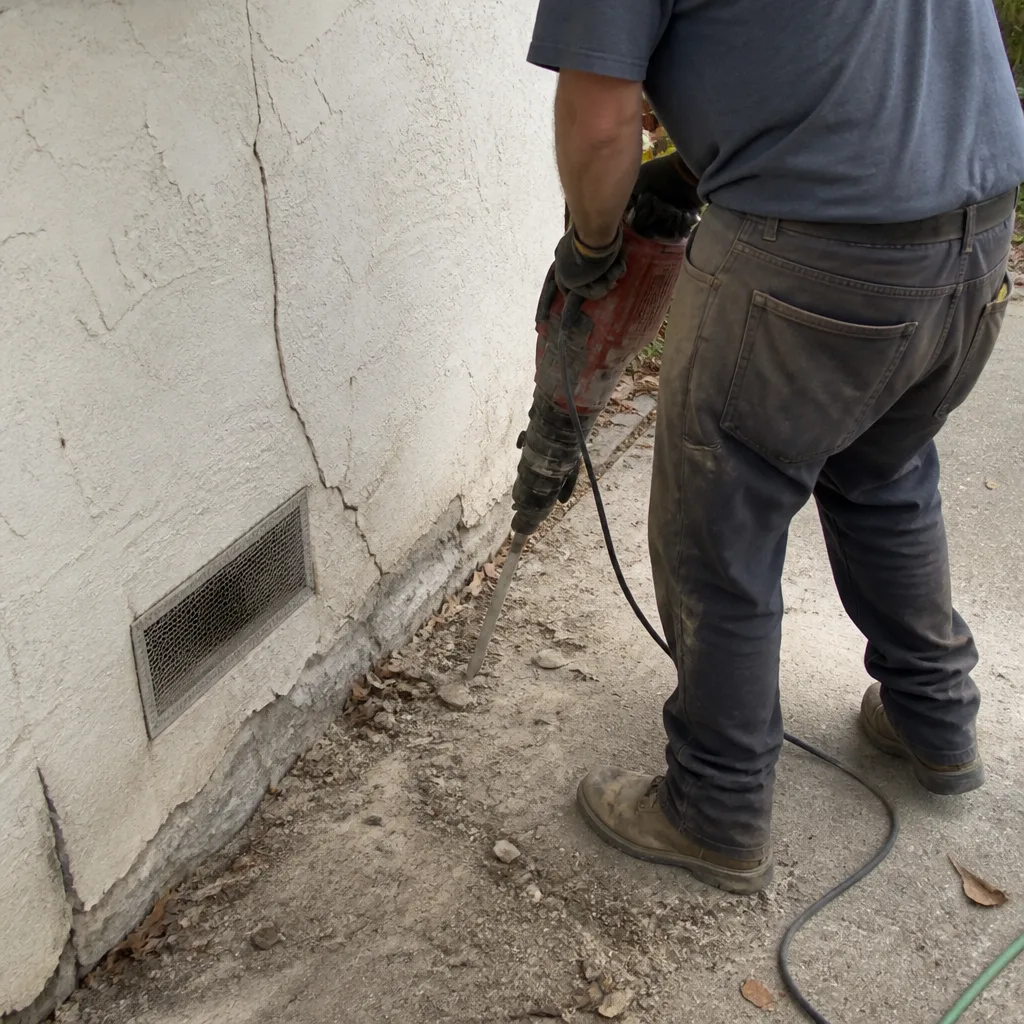 Before
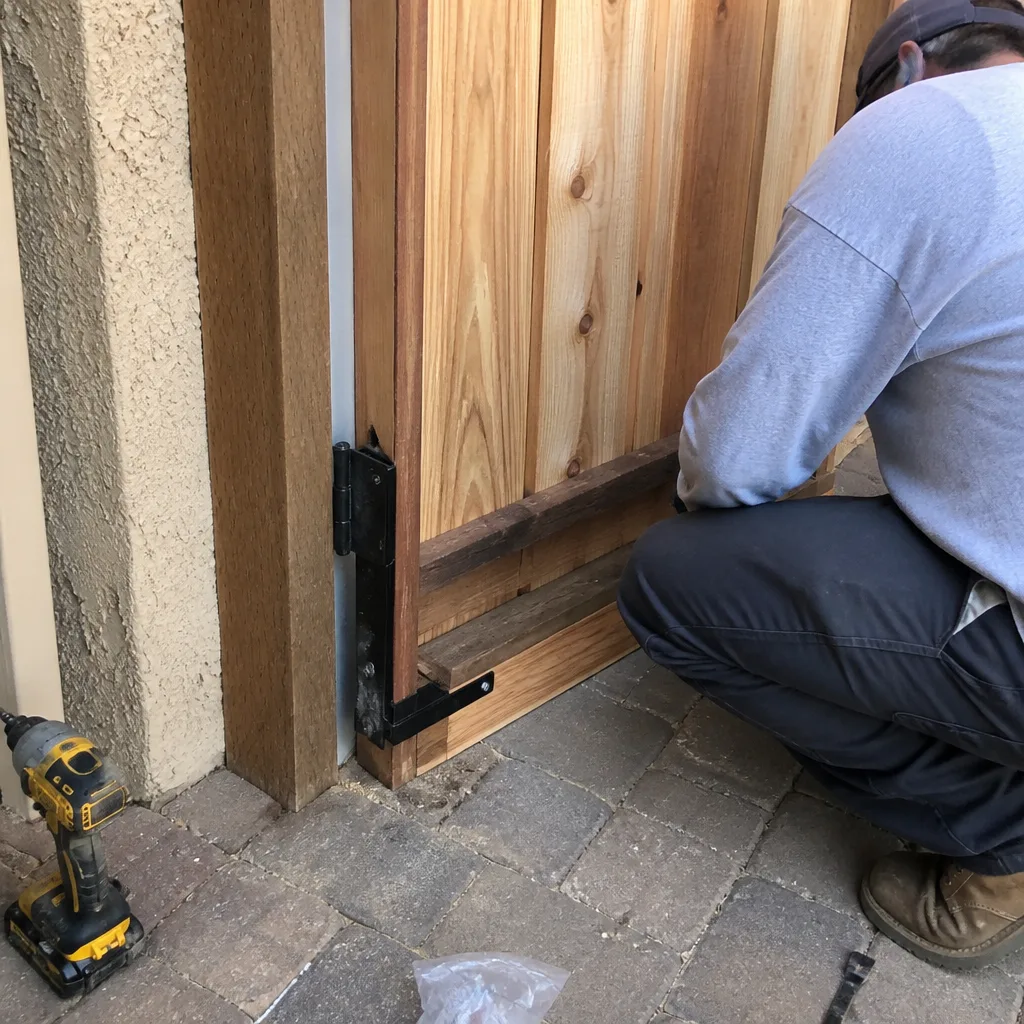 After
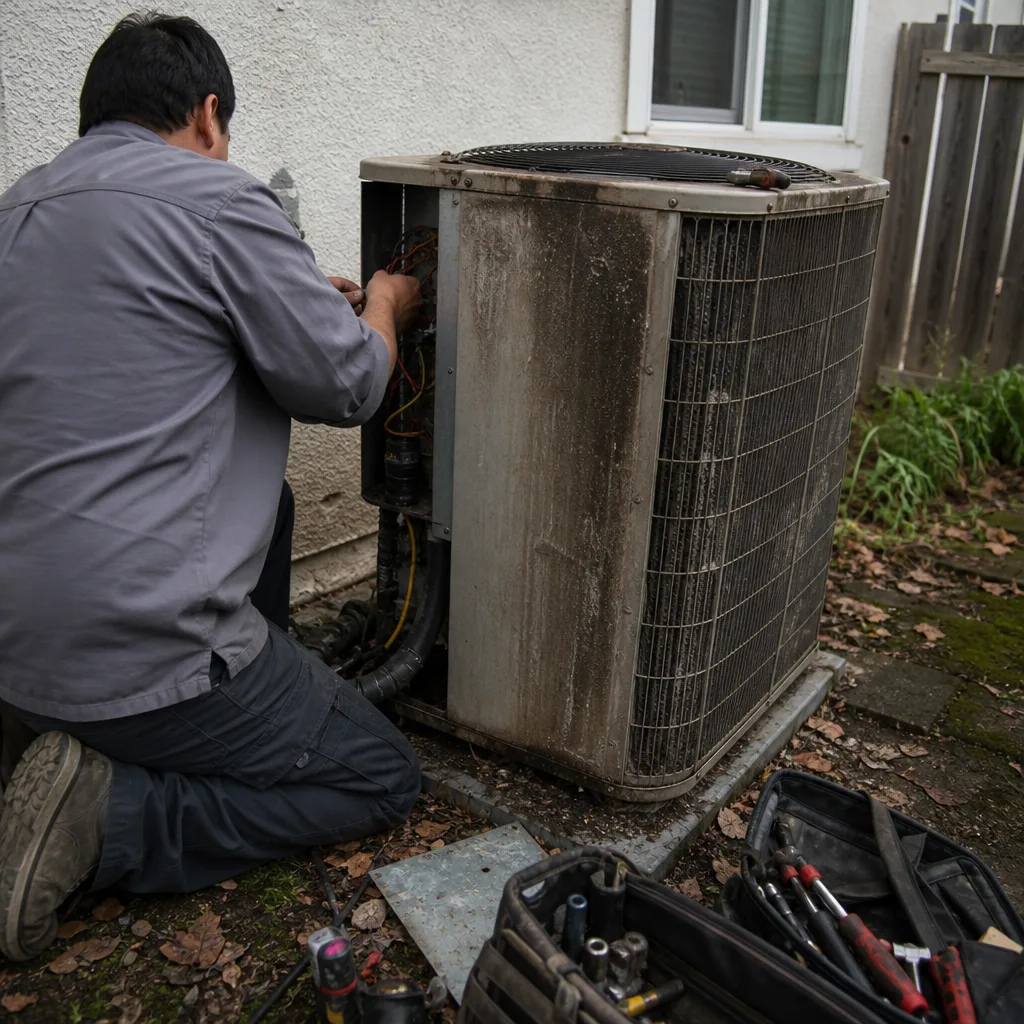 Before
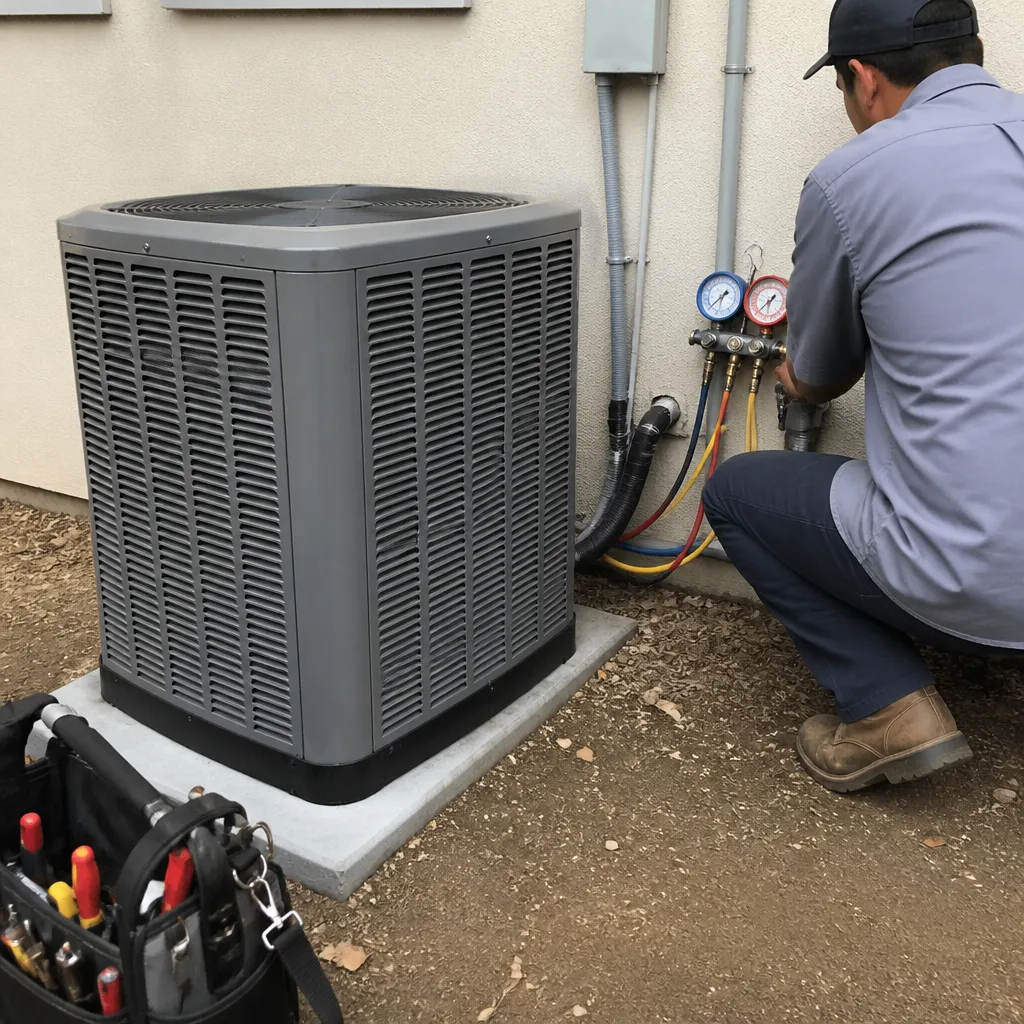 After
 Before
 After