

Last updated October 31, 2026
 Kitchen remodeling
 Bathroom remodeling
 Home additions & ADU
 Roofing
 Windows & doors
 Driveway & pavers
 Fence
Free written scope consultation - allowances, timeline, and change-order rules on paper before a single trade is scheduled
General Contractor Troubleshooting: Common Problems and How to Fix Them
The most expensive word in residential construction isn’t “renovation.” It’s “misunderstanding.” A study by the American Arbitration Association found that over 60% of construction disputes trace back to scope ambiguity in the original contract, not to bad workmanship. That means most of the problems that end in court, liens, or half-finished kitchens were actually knowable in the first two weeks of the project. This guide teaches you how to read those early signals: scheduling gaps that mean something, change orders written the wrong way, inspections that reveal deeper issues, and the financial red flags that show up long before a payment dispute does. If you’re a homeowner in Gilroy or anywhere else in the Bay Area planning a renovation, this is how you keep a solvable problem from becoming a legal one. For How to Hire a Construction Contractor in Gilroy: A Step-by-Step Guide, see our dedicated resource.
Quick Answer
Most general contractor problems fall into five categories: scheduling delays, vague change orders, failed inspections, payment disputes, and communication breakdowns. Each has early warning signs you can spot weeks or months before they escalate. The fix almost always starts with written documentation, a direct conversation with your contractor, and knowing which clauses in your contract actually protect you.
Styles & brands we work with
Table of Contents
- How to Read a Scheduling Problem: Float vs. Stoppage
- Change Order Language That Holds Up (And Language That Won’t)
- What to Do When Work Fails Inspection
- How to Issue a Cure Notice Without Blowing Up Your Project
- The Three Financial Red Flags That Precede Payment Disputes
- When Material Substitutions Are a Problem (And When They’re Fine)
- Communication Breakdowns: The Root Cause of Nearly Everything
- Scope Creep and the Homeowner’s Role in It
How to Read a Scheduling Problem: Float vs. Stoppage
Your contractor’s crew disappears for three days. Is that normal float, or is something wrong? The answer depends on what’s happening behind the scenes, and most homeowners never learn to tell the difference.
Scheduling float is built into every construction schedule, whether your contractor admits it or not. Concrete needs to cure. Inspections get scheduled days out. A cabinet order from KraftMaid might have a six-week lead time, and the framer isn’t going to stand around waiting for it. When a crew leaves your project for a few days because they’re waiting on a material delivery or an inspector, that’s not abandonment, it’s sequencing. In Gilroy, where summer temperatures can push concrete cure times and the building department’s inspection calendar fills up fast during peak construction season, float is a normal feature of nearly every residential project. For tips on timing your project, read Seasonal Construction Care for Gilroy: Year-Round Homeowner’s Guide.
A stoppage is different. Stoppage means the contractor has pulled the crew to go work another job, and your project isn’t actually waiting on anything. Here’s how to tell the difference:
- Ask the question directly: “What are we waiting on right now?” A legitimate answer names a specific dependency: a truss delivery, a plumbing rough-in inspection, a window order from PGT or Therma-Tru. A vague answer names nothing: “We’ll be back next week.”
- Check the permit card: If you’re waiting on an inspection, the permit card should show an inspection request filed. No request filed, no inspection pending. That’s a red flag.
- Watch the pattern: One three-day gap is float. Crews gone every Monday and Tuesday for three weeks straight means your contractor took on another job and is juggling you.
- Look at your draw schedule: If the contractor collected a draw right before the crew disappeared, that’s a pattern worth paying attention to. You just funded someone else’s project.
What fixes a scheduling problem, in most cases, is a conversation that references the contract schedule. Your contract should have one. If it doesn’t, the time to ask for a written schedule with milestone dates is before the next draw, not after the next delay. We’ve resolved more scheduling disputes with a one-page milestone schedule than with any other single document. It forces the conversation out of “soon” and into dates.
Change Order Language That Holds Up (And Language That Won’t)
Here’s the uncomfortable truth about residential construction contracts: most change orders homeowners sign would not hold up under scrutiny. Not because the contractor did anything wrong, but because the change order doesn’t actually say what changed. It says “Owner requests additional electrical work in kitchen” and a price. That’s it. No scope description, no material specification, no schedule impact. Six months later, when the electrician installs the wrong fixtures or the schedule slips two weeks, nobody can prove what was agreed to.
The fix is in the language. An enforceable change order in California residential construction contains, at minimum, these five elements:
- A specific scope description. Not “additional electrical” but “add two dedicated 20-amp circuits from panel to kitchen island, one for dishwasher, one for island outlets, with GFCI protection per code.” The more specific, the more enforceable.
- Material specifications with brand or equivalent. If you’re adding a window, name it: “PGT impact-rated casement window, 36×48, low-E glass, white vinyl frame.” If the contractor substitutes another brand later, you have a written record of what you paid for.
- Price broken into labor and materials. Not just a bottom-line number. The breakdown protects both parties when something in the scope changes mid-stream.
- Schedule impact stated explicitly. “This change adds 5 working days to the project schedule.” If the contractor doesn’t put it in writing, you should write it in yourself and have them sign. Time disputes are the most common change-order fight.
- Signature from both parties. A verbal “yeah go ahead and do that” is not a change order. In California, oral modifications to construction contracts are, in many cases, enforceable for work under a certain dollar threshold, but they are a nightmare to prove. Written beats verbal, every time.
When we run projects in Gilroy, every change order we issue includes all five elements. It’s not because clients are litigious, it’s because clear documentation is the cheapest conflict insurance available. When you’re choosing a contractor, ask to see a sample change order before you sign the main contract. If it’s a one-line form, that’s your answer about how disputes will go.
What to Do When Work Fails Inspection
Your contractor calls and says the rough-in inspection failed. What now? First, understand that a failed inspection is not automatically a crisis. Building inspectors in Gilroy and Santa Clara County fail inspections every week for reasons ranging from minor paperwork issues to genuinely unsafe work. The question is what happens next.
Here’s the sequence that matters:
- Get the correction list in writing. The inspector leaves a correction notice, or the contractor receives one through the permitting portal. Ask for a copy. It names exactly what failed and what code section applies. No correction list, no accountability.
- Determine who pays for the fix. If the failure is a workmanship error, the contractor pays the correction cost and the re-inspection fee. Full stop. If the failure is a code interpretation disagreement or a material substitution the homeowner requested, the cost conversation is different. But workmanship failures are on the contractor.
- Ask about the re-inspection timing. A good contractor schedules the re-inspection within days. A contractor who lets it sit for three weeks is signaling that your project isn’t their priority.
- Document everything. Photos of the failed work, the correction notice, the date, and the contractor’s response. If this escalates later, your documentation is what carries the argument.
One failed inspection that gets corrected quickly is normal. Two failures on the same scope area, or a failure for something that should have been caught by a qualified tradesperson, is a signal to look deeper. We’ve seen situations where a general contractor wasn’t actually pulling permits for sub work, and the “inspection failure” was really the first time a licensed inspector had looked at unlicensed work. If your contractor seems vague about who did the work or can’t produce the sub’s license information, that’s a conversation worth having before you pay the next draw.
How to Issue a Cure Notice Without Blowing Up Your Project
A cure notice is a formal letter that tells your contractor they’ve breached the contract and gives them a specific window to fix the problem. It’s the step before you terminate the contract or file a claim. Done wrong, it escalates everything. Done right, it’s a tool that gets projects back on track.
Here’s the formal process, written for a homeowner in Gilroy who has never done this before:
- Review your contract’s cure provision. Most California residential construction contracts include a clause that says something like “in the event of a breach, the non-breaching party shall provide written notice and the breaching party shall have 10 days to cure.” Know the number of days your contract specifies. If you don’t follow it, your notice doesn’t count.
- Write the letter in plain English. Identify the specific breach: “On March 14, the rough plumbing inspection failed due to improper venting. The correction notice states the work does not meet California Plumbing Code Section 906. Per our contract section 9.2, you have 10 days from receipt of this letter to correct the work and schedule re-inspection.” The more specific, the more legitimate.
- State the remedy you want. Don’t threaten termination. Say: “I am requesting that the plumbing corrections be completed and the re-inspection scheduled by March 24.” You want a fix, not a war.
- Send it certified mail, return receipt requested. Or email with a read receipt, if your contract allows electronic notice. Proof of delivery matters.
- Keep paying for completed, accepted work. This is the part homeowners get wrong. Withholding payment for work that’s done and approved puts you in breach too. Pay the draws you owe for completed work, and withhold only the amount tied to the work that hasn’t been performed or corrected.
The cure notice is not a nuclear option. It’s a formalized “this needs to be fixed, here’s the deadline.” Most good contractors respond to a cure notice by fixing the problem. Most bad contractors respond by getting defensive, and that response tells you more than the original problem did. If you’re working with a contractor who treats a written notice as an insult instead of a legitimate request, that’s information about what the next six months will look like.
The Three Financial Red Flags That Precede Payment Disputes
Nearly every payment dispute in residential construction could have been seen coming weeks earlier. The signs are in the draw schedule, the invoices, and the lien situation. Here are the three red flags that show up first.
Red flag one: front-loaded draw schedules. A draw schedule is the ladder of payments tied to project milestones. A healthy schedule pays roughly in line with work completed. In Gilroy, a common structure for a kitchen remodel might be: 10% at contract signing, 25% at demolition complete, 25% at rough-in inspection passed, 25% at cabinet and countertop installation, 15% at final inspection. That’s normal. A front-loaded schedule looks different: 35% at signing, 30% at demolition, 20% at rough-in, 10% at cabinets, 5% at final. The contractor is collecting more money early than the work justifies. If the project stalls mid-way, you’re out more than the work is worth.
Red flag two: overbilling for materials. A contractor asks for a draw to “purchase materials” and the amount doesn’t line up with what’s actually being bought. Sometimes this is sloppy estimating. Sometimes it’s a contractor using your project to fund another one. Ask for the actual invoices or quotes for major material purchases. Any legitimate contractor can show you a quote from the cabinet supplier or the window manufacturer. If the material draw is a round number with no backup, ask for the backup before you write the check.
Red flag three: missing lien releases from subcontractors. In California, a subcontractor who doesn’t get paid by the general contractor can file a mechanics lien against your property, even if you paid the GC in full. This is the one that blindsides homeowners, because the work looks finished and the payments look current. The protection is lien releases. Every time you pay a draw, especially in the later stages of the project, you should receive conditional lien releases from the subcontractors who did the work the draw covers. If your contractor can’t or won’t provide them, that’s a strong sign the subs aren’t being paid. And when subs aren’t being paid, a lien is coming.
When we manage projects in Gilroy, our draw packages include the schedule, the line-item breakdown, and the lien release forms from every sub who touched the project in that phase. It’s more paperwork, but it’s the kind of paperwork that prevents the phone call nobody wants to get. If you’re interviewing contractors, ask one question: “How do you handle lien releases?” A good contractor has a clear answer. A bad one will look confused.
When Material Substitutions Are a Problem (And When They’re Fine)
Mid-project material substitutions happen constantly in construction, and not every substitution is a scheme. Silestone might be backordered six weeks and the contractor suggests a comparable quartz from Caesarstone. A Therma-Tru door might have a factory delay and the supplier offers a PGT alternative. Substitution alone isn’t the problem. The problem is substitution without equivalent quality, without documentation, and without a credit when the substitute costs less.
Here’s how to evaluate a substitution:
- Equivalent quality or better? The substitute should be at least as durable, at least as attractive, and carry a similar or better warranty. If the contractor can’t explain why the substitute is equivalent, it probably isn’t.
- Is the price difference documented? If the substitute costs less, you should see a credit on the change order. If it costs more, the contractor should be absorbing the difference if the delay was on their side, or presenting you with a legitimately structured change order if the market moved.
- Does it still meet code? This matters most for windows, doors, roofing, and structural materials. In Gilroy, where seismic and wildfire code requirements apply, a window substitution that doesn’t meet current California energy and impact standards isn’t just a downgrade, it’s a code violation waiting to happen.
- Is it in writing? A verbal “yeah we’ll swap this for that” is not a substitution, it’s a liability. Get it in writing with the five-element change order format we covered earlier.
There’s a legitimate reason to care about brands in the first place. A contractor who specifies KraftMaid or Wellborn cabinetry, Cambria or Caesarstone countertops, and Therma-Tru doors is working with manufacturers who stand behind their products with real warranties. When a substitution swaps a warranty-backed product for a no-name equivalent, you’re not just losing a brand name, you’re losing the manufacturer’s warranty and the durability track record that came with it. That’s the cost that doesn’t show up on the invoice.
Communication Breakdowns: The Root Cause of Nearly Everything
With rare exceptions, the problems we’ve covered so far all trace back to one source: communication that fell apart. Not dishonesty, not fraud, not incompetence. Just a project where the contractor stopped returning calls, the homeowner stopped asking questions, and the small gaps became big ones.
What breaks communication on residential projects? Here’s what we’ve observed over years of running renovations in Gilroy and the South Bay:
- The contractor got busy. A GC running three or four projects simultaneously stops answering your email because they’re answering someone else’s. This isn’t an excuse, it’s a staffing reality. Contractors who run lean stop communicating when the workload peaks. Contractors who manage communication properly have a process, a point person, or at minimum a weekly check-in call.
- The homeowner stopped asking. You don’t want to be annoying. You don’t want to be “that client.” So you let a week go by without asking about the tile delivery. Then two weeks. Then the tile shows up wrong and you’re frustrated. The homeowner who asks consistent, specific questions gets better results than the homeowner who stays quiet out of politeness.
- The project manager changed mid-stream. The GC hands your job to a junior PM or a different site supervisor, and institutional knowledge drops. Your project loses its memory. The fix: ask who your single point of contact is, and get it in writing.
The communication clause in your contract should specify: who your point of contact is, how often you’ll receive progress updates, and how change requests and concerns get submitted. If your contract doesn’t include any of that, you’re signing up for a project where communication is optional. And in construction, optional communication becomes expensive miscommunication fast.
Scope Creep and the Homeowner’s Role in It
Scope creep is almost always framed as a contractor problem: the GC keeps finding “unforeseen conditions” and the price keeps climbing. But the truth is more uncomfortable. A significant percentage of scope creep originates with the homeowner. You walk through the house mid-demolition and think, “while they have the walls open, we should add…” And each of those “whiles” is a change order.
This is not a lecture about staying disciplined. It’s about understanding the mechanics. Here’s what happens when scope expands mid-project:
- The schedule slides. Every addition touches the schedule. Add an electrical change and the electrician has to come back. Add a plumbing move and the tile doesn’t go in on the original date. The crew that was going to start your kitchen backsplash is now waiting on a final inspection.
- The trade sequencing gets disrupted. Subs get scheduled weeks in advance. When you add work, the sub has to fit you into their existing calendar. That often means your project waits.
- The fixed price becomes less fixed. Every change order adds cost. Some change orders are worth it: you’ll live with that house for 15 years and the extra electrical outlet matters. Some aren’t. The financially healthy approach is to decide before the walls close: what matters, what doesn’t, and what you can live without.
When a contractor manages scope well, they push the decisions earlier. A good GC walks the project with you before demolition starts and asks the “while we’re in there” questions before the walls are open, not after. When we plan kitchen remodels in Gilroy, we walk the existing space and ask about under-cabinet lighting, island electrical, pot filler positions, and appliance upgrades before the permit drawings are finalized. It costs less to change a drawing than to change a wall.
Common Mistakes to Avoid
- Accepting a verbal change order. A handshake agreement about “we’ll figure out the price later” is how projects end up in mediation. Every change gets written, priced, and signed before the work happens.
- Withholding payment for the wrong reason. If the work is done and passed inspection, pay the draw. Withholding payment because you’re frustrated about a different issue puts you in breach and hands the contractor a legal advantage.
- Not reading the lien release provisions. California mechanics lien law is unforgiving to homeowners who pay a general contractor without securing releases from subs. Know your rights before the first draw, not after the lien is filed.
- Hiring on price alone. The cheapest bid in Gilroy is usually the one with the least built-in management time, the thinnest supervision, and the smallest contingency. That’s not a savings, it’s a risk transfer.
- Ignoring the correction notice. When an inspection fails, the correction notice is a written record of exactly what’s wrong. Homeowners who never ask for it lose the documentary trail that matters later.
- Not asking for proof of insurance. Every contractor should provide a certificate of insurance naming you as an additional insured before work starts. If they can’t, you’re the insurance. This should be in place before the first nail is driven.
See the difference
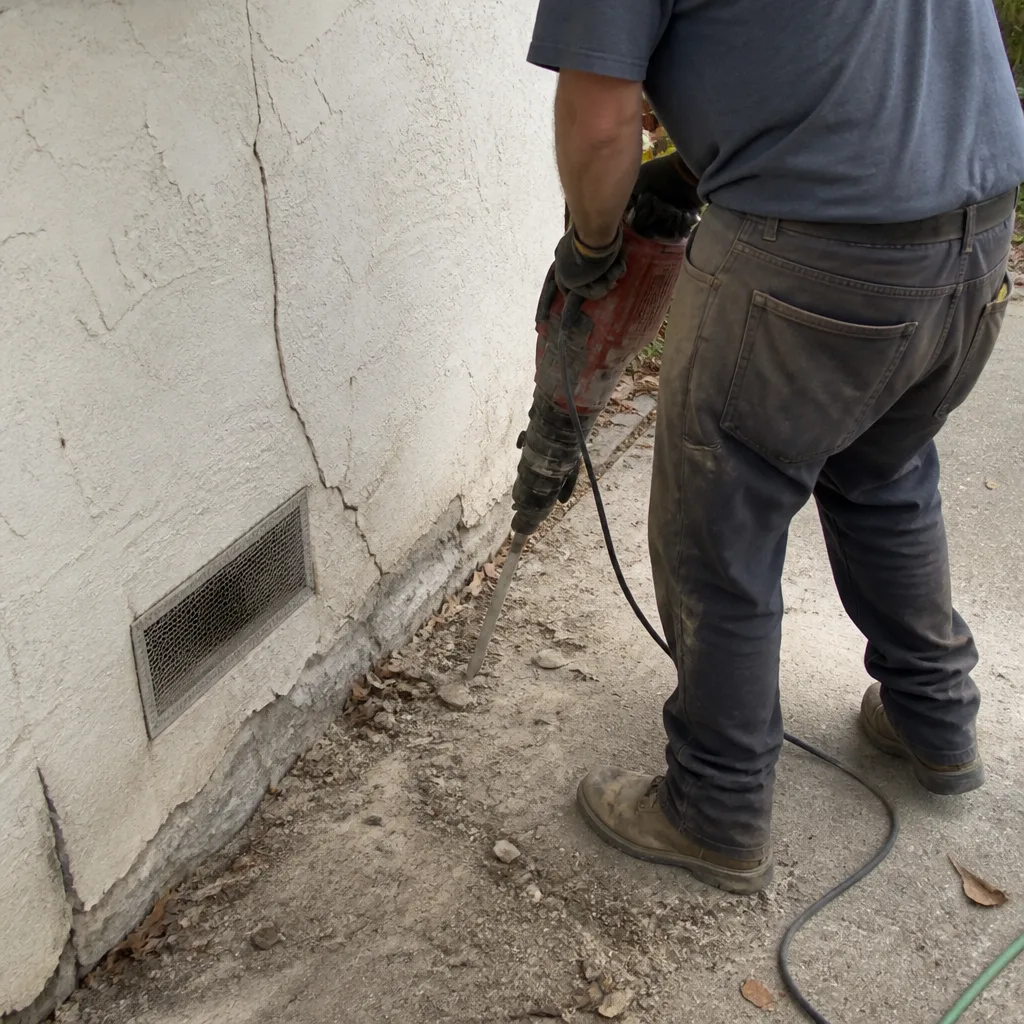 Before
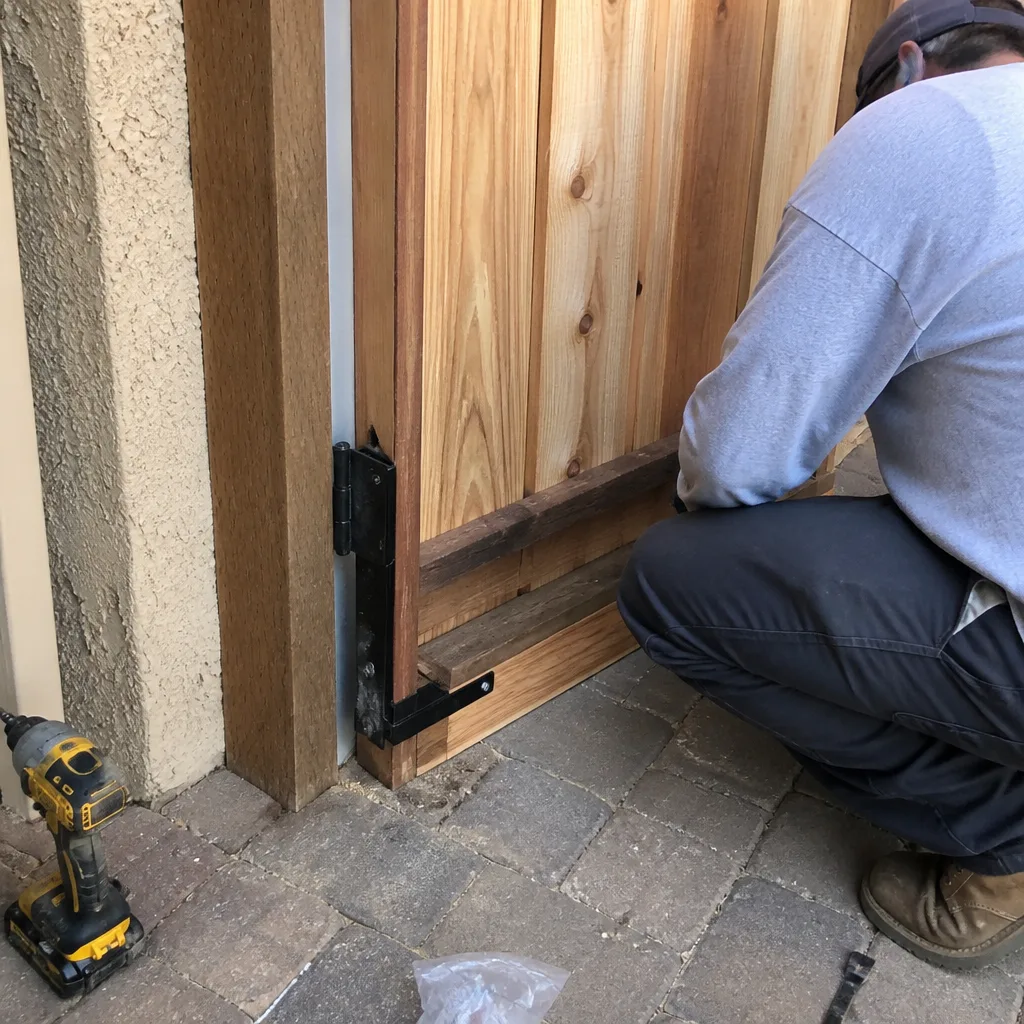 After
 Before
 After
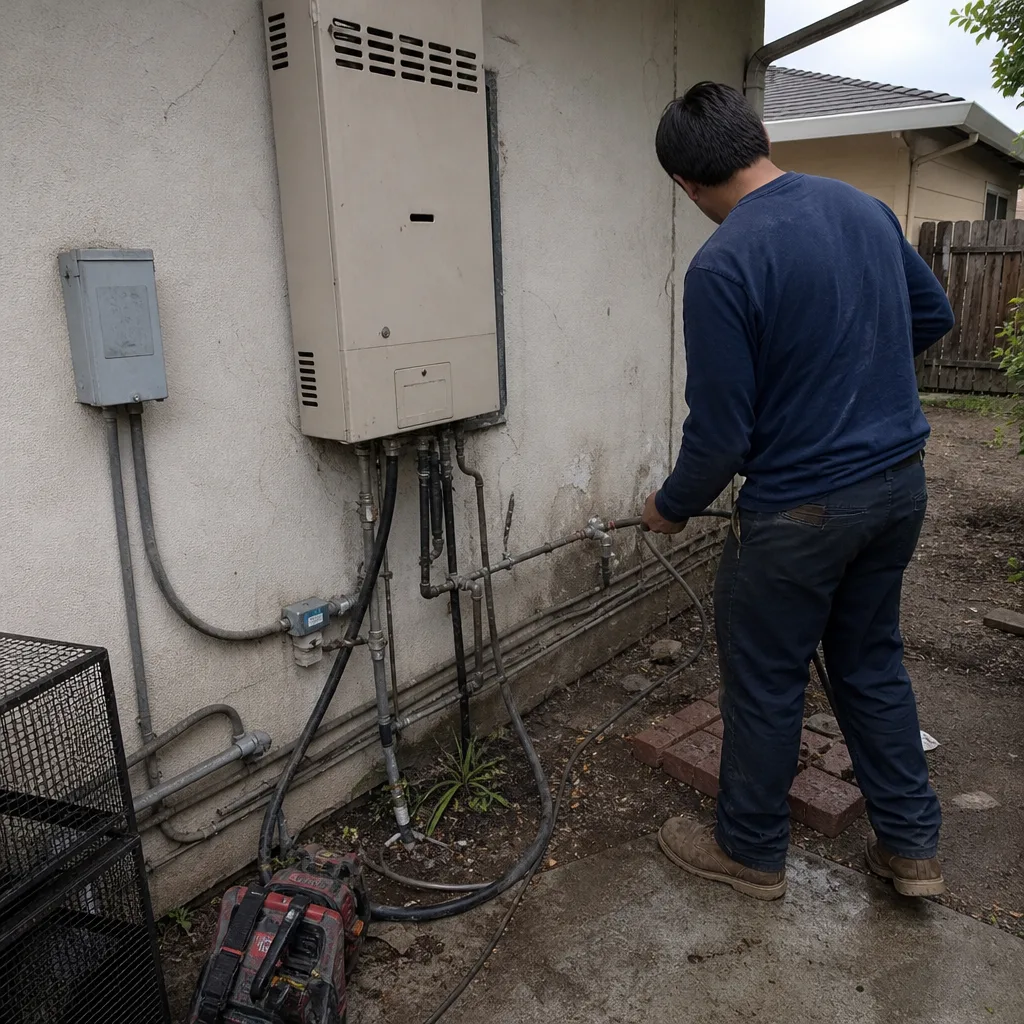 Before
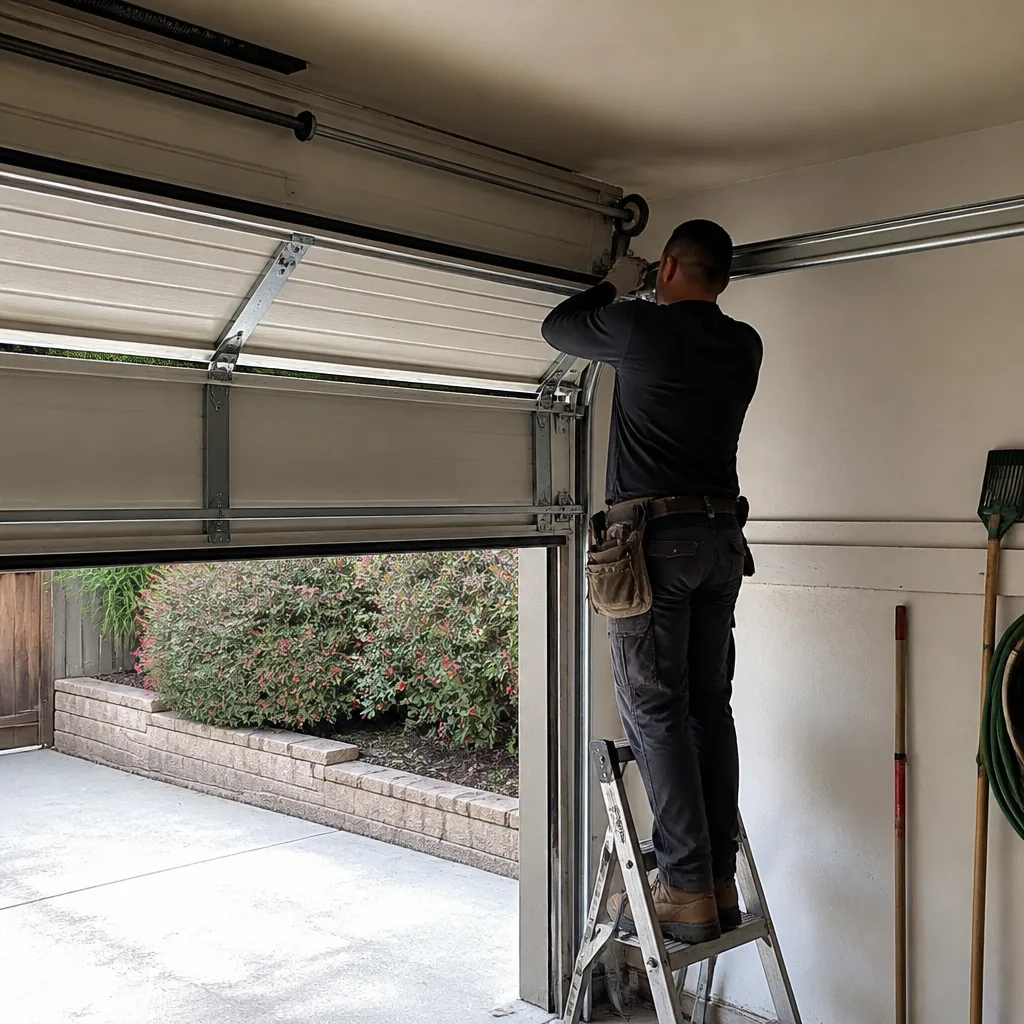 After
When to Call a Professional
Some problems are meant to be resolved between you and your contractor, and some are signals that you need outside help or a different contractor entirely. If you’ve issued a written cure notice and the deadline passed without a response, that’s past the point of self-help. If you discover that unpermitted work was performed on your home, you need a licensed contractor to assess the situation and a clear path to retrofit permitting. If you see structural issues that weren’t disclosed, water intrusion that wasn’t addressed, or work that doesn’t match the drawings, that’s a conversation with someone who can evaluate the scope and give you a straight answer about the fix.
For more guides & resources, explore our blog. Silver Line Contractors offers free estimates in Gilroy. If you’re mid-project with another contractor and need a second opinion, or you’re planning a renovation and want an assessment that covers material choices, scheduling, and scope before anything gets signed, call (833) 400-1314.
Frequently Asked Questions
California state law caps the down payment for home improvement contracts at 10% of the total project price or $1,000, whichever is less. Anything beyond that before work begins is a violation of state contracting law. After the initial deposit, draw schedules should follow completed milestones, not calendar dates. If a contractor in Gilroy asks for 30% or 40% before demolition starts, that’s a red flag you should not ignore. Call (833) 400-1314 if you’d like a free estimate structured the way California law requires.
First, send a written request for a status update and a schedule for completion. If no response comes within a few days, review your contract’s cure provision and send a formal cure notice by certified mail. The notice gives the contractor a specific window, usually 10 days, to resume work or explain the delay. If the deadline passes with no response, consult a construction attorney before terminating the contract. Terminating improperly can expose you to a breach claim from the contractor.
Yes. In California, a general contractor has the right to file a mechanics lien against your property for unpaid work. The lien is different from a lawsuit: it attaches to the property itself, meaning you can’t sell or refinance until the lien is resolved. The protection runs both ways, which is why lien releases from subcontractors matter so much on your side. Paying the GC doesn’t necessarily clear sub liens. You need the releases.
Check the California Contractors State License Board website. Every licensed contractor in the state is listed there with their license number, classification, and any disciplinary history. A general contractor should hold a Class B license. Ask for the license number before you sign anything, and verify it online. An unlicensed “contractor” working on a project over $500 in combined labor and materials is operating illegally in California.
Most kitchen remodels in Gilroy require a building permit, especially when the work involves electrical, plumbing, or structural changes. A cabinet-only replacement with no electrical or plumbing work may not require one, but the moment you move a sink, add a circuit, or open a wall, you’re in permit territory. Your contractor should handle the permit process. The permit protects you in two ways: it triggers the inspection process, which is your quality control, and it creates a record that the work was legal if you ever sell the home.
A change order modifies the scope, price, or schedule after the contract is signed. An addendum is typically used to add supplemental terms or clarify existing language, often before the contract is finalized. In residential construction, the change order is the critical document. Every change order should be in writing, signed by both parties, and include scope, materials, price, and schedule impact.
The Bottom Line
Most general contractor problems don’t start with bad workmanship. They start with bad documentation. The homeowners who navigate construction projects without disaster are the ones who ask for written change orders, track the draw schedule against actual progress, collect lien releases, and treat failed inspections as information, not confrontation. If you’re planning a renovation in Gilroy and want a contractor who handles the paperwork as carefully as the framing, call Silver Line Contractors at (833) 400-1314 for a free estimate. We’d rather show you the process than explain why it went wrong. Silver Line Contractors home offers one accountable point of contact for projects from the General Contractor in Gilroy scope through full Home Remodeling in Gilroy and Home Renovation in Gilroy, with material options that include brand-name cabinetry, countertops, windows, and roofing systems.
Written by the team at Silver Line Contractors, serving Gilroy since 2017.