

Last updated October 31, 2026
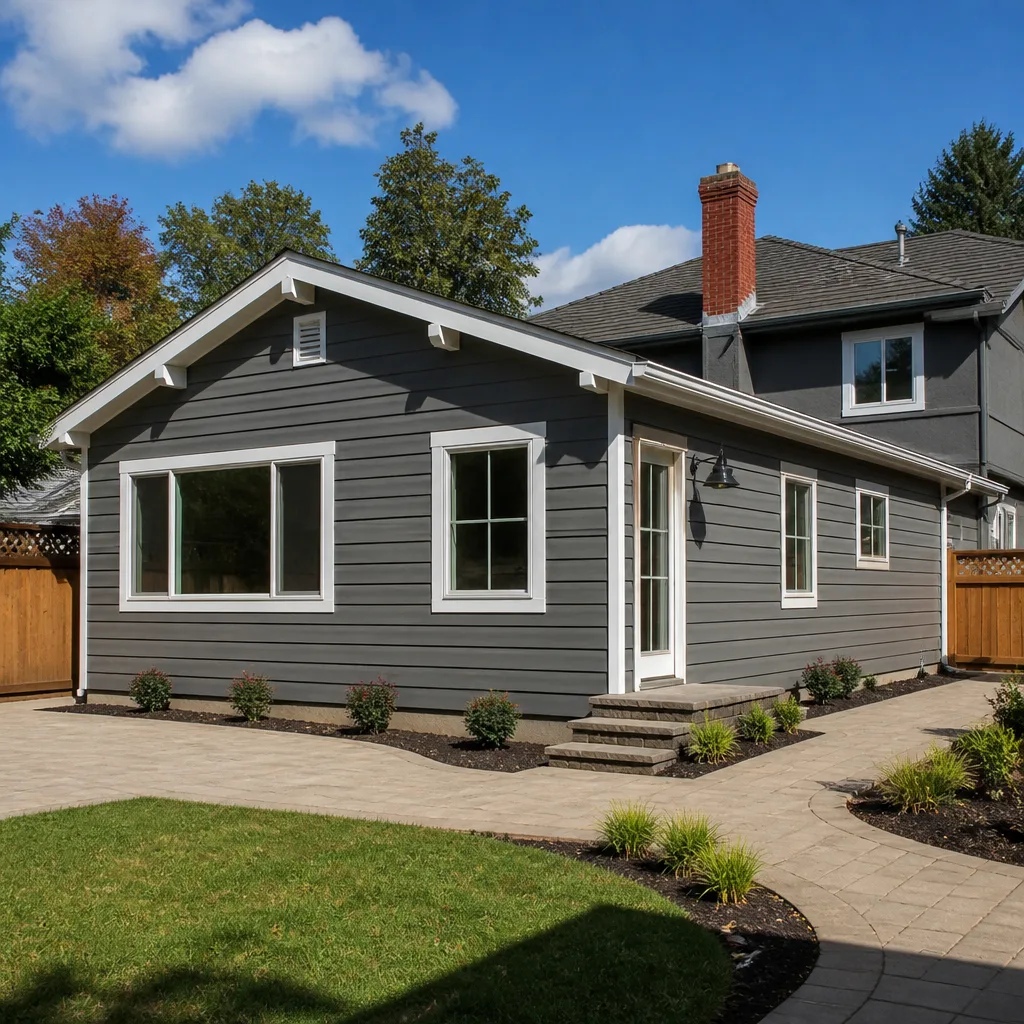 Home additions & ADU
 Kitchen remodeling
 Bathroom remodeling
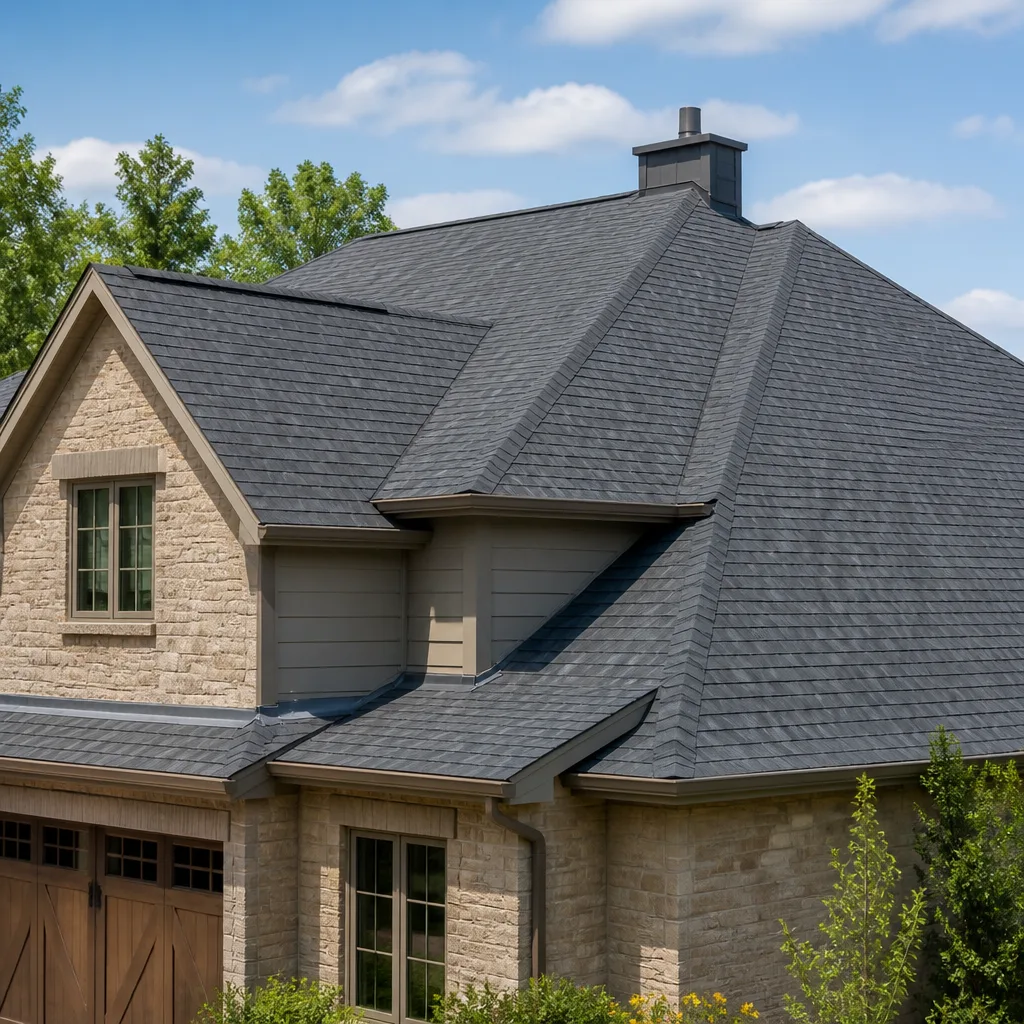 Roofing
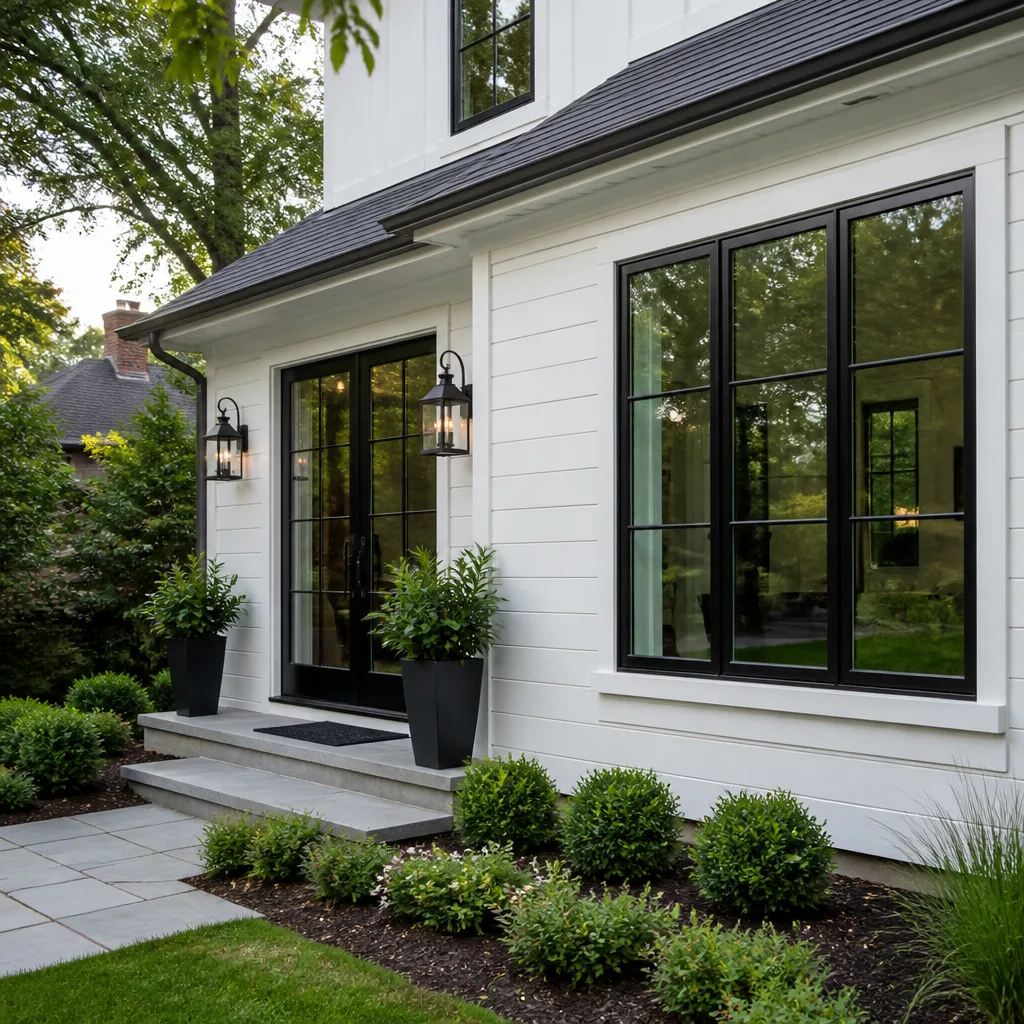 Windows & doors
 Driveway & pavers
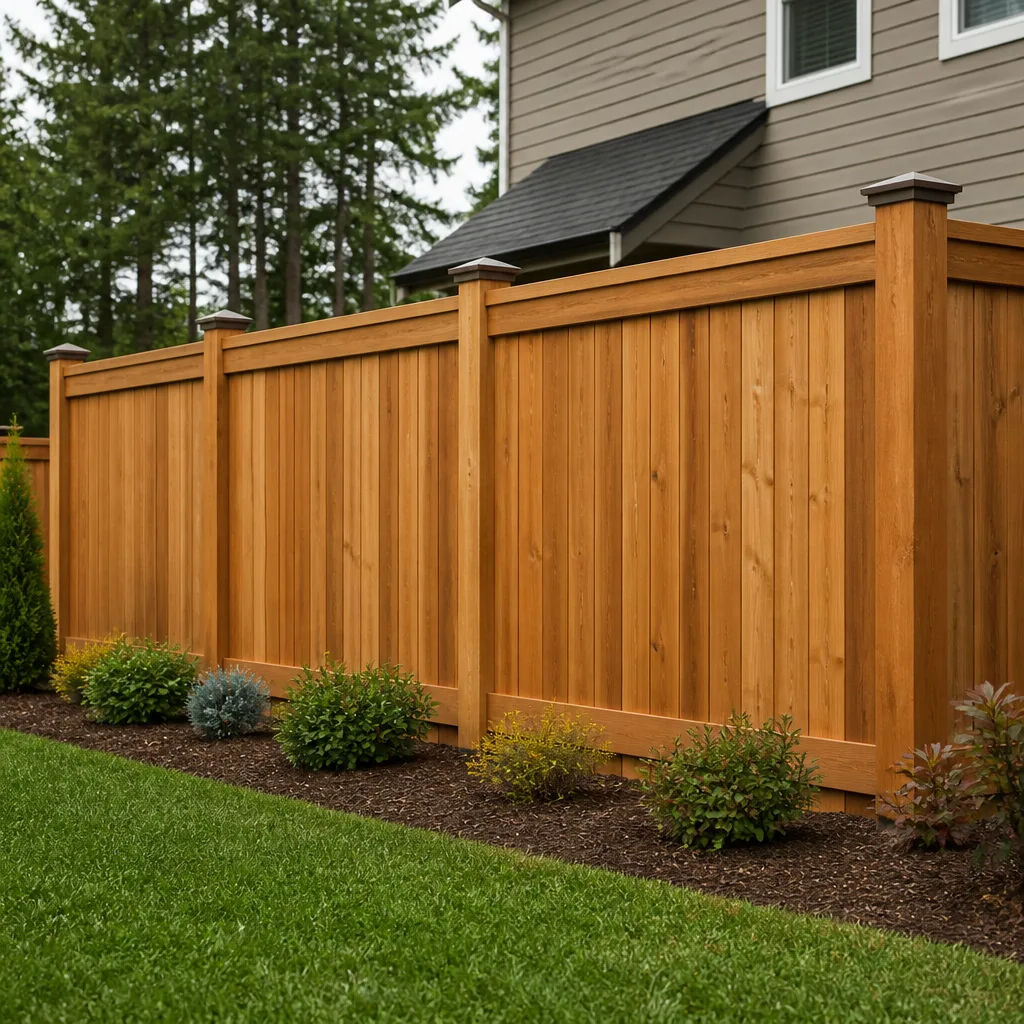 Fence
Free written scope consultation - allowances, timeline, and change-order rules on paper before a single trade is scheduled
Construction Emergency Preparedness Guide for Gilroy Homes
The Pacheco Pass wind corridor can push gusts through southern Gilroy neighborhoods that exceed 60 mph during fall offshore events, the same conditions that historically ignite and spread wildland-urban interface fires. A homeowner whose deck framing or fence posts aren’t anchored to current lateral load standards isn’t just facing a repair bill; they’re facing a projectile hazard and a fire-spread risk simultaneously. This guide covers the actual failure scenarios Gilroy homeowners are most likely to face, and what to verify, document, and do before and after a construction emergency. For Construction Warning Signs: A Gilroy Homeowner’s Reference Guide, see our companion resource.
Styles & brands we work with
Quick Answer
Construction Permits, Codes & Inspections in CA: What You Need to Know is essential background, but construction emergency preparedness for Gilroy homes specifically means addressing three overlapping risks: wildland-urban interface fire exposure, seismic vulnerability from proximity to the Calaveras and Hayward fault zones, and high-wind damage through the Pacheco Pass corridor. The most effective preparation is a pre-emergency documentation system covering structural photos, permit records, and material specifications, combined with verification of critical structural features on pre-2000 homes: water heater strapping, cripple wall bracing, and chimney condition. After any event, the first 24 hours should focus on documenting damage, identifying immediate safety hazards like gas leaks or compromised roofing, and contacting your insurance carrier before any contractor does demolition work.
Table of Contents
- Gilroy’s Actual Hazard Profile: What the Generic Guides Miss
- Structural Verification for Pre-2000 Gilroy Homes
- Pre-Emergency Documentation: What to Keep and Where
- The First 24 Hours After a Construction Emergency
- Evaluating Storm and Fire Damage to Roofing and Exterior Envelope
- Contractor Contact Sequencing: Who to Call and When
- Wind-Specific Preparedness for Gilroy’s Pacheco Pass Corridor
- Common Mistakes to Avoid
- When to Call a Professional
- Frequently Asked Questions
- The Bottom Line
Gilroy’s Actual Hazard Profile: What the Generic Guides Miss
Most emergency preparedness content written for California homeowners defaults to earthquake checklists. That’s useful but incomplete for Gilroy. Our city sits at the intersection of three distinct hazard zones, and each one creates different failure patterns on residential structures.
The wildland-urban interface, or WUI, is the first and most acute risk. Gilroy’s eastern and western foothill neighborhoods, including areas east of New Avenue and west of Santa Teresa Boulevard, sit directly against grassland and oak woodland that dries to tinder by late summer. When offshore winds push through the Pacheco Pass during October and November, ember cast can travel a quarter mile or more ahead of the flame front. Homes with open eaves, unscreened attic vents, wood shake roofing, or combustible mulch against the foundation are disproportionately vulnerable. This isn’t theoretical: the 2020 SCU Lightning Complex fires burned within miles of Gilroy’s eastern boundary, and evacuation warnings reached the city limits.
Seismic risk is the second layer. Gilroy sits roughly 7 miles from the Calaveras Fault and within 20 miles of the Hayward Fault. The 1989 Loma Prieta earthquake, centered near Santa Cruz, caused measurable damage in Gilroy’s downtown corridor. Homes built before 2000, particularly those constructed under older versions of the California Building Code, often lack the improved foundation anchoring and shear wall requirements that became standard after the 1994 Northridge earthquake.
The third risk, and the one most underappreciated, is wind. The Pacheco Pass funnels air from the Central Valley into southern Santa Clara County. During fall and winter storm events, sustained winds of 30 to 40 mph with gusts above 60 mph are not uncommon in the southern and western reaches of Gilroy. These winds tear at roof edges, lift unanchored patio covers, push fence sections over, and turn loose construction materials into projectiles. A 60 mph gust applies roughly 9 pounds of pressure per square foot against a vertical surface. On a standard 6-by-6-foot fence panel, that’s over 3,200 pounds of lateral force.
Homeowners planning significant renovation or home remodeling in Gilroy should factor all three hazards into scope decisions. A kitchen remodel that doesn’t address a 1970s-era water heater strapping situation is a missed opportunity for inexpensive risk reduction.
Structural Verification for Pre-2000 Gilroy Homes
If your home was built before 2000, there are specific structural features you should verify before the next wind or seismic event. These aren’t cosmetic concerns; they’re the difference between a home that rides out an event and one that requires emergency shoring or demolition.
Cripple wall bracing is the first item. A cripple wall is the short wood-framed wall between the foundation and the first floor, typically 18 to 36 inches tall. In homes built before 1980, these walls often lack plywood shear panels. During an earthquake, an unbraced cripple wall can collapse sideways, dropping the house onto its foundation and causing catastrophic structural damage. A General Contractor in Gilroy can evaluate whether your cripple walls have adequate sheathing and foundation anchor bolts. The retrofit typically involves installing plywood panels and adding anchor bolts through the mudsill, work that costs a fraction of the damage it prevents.
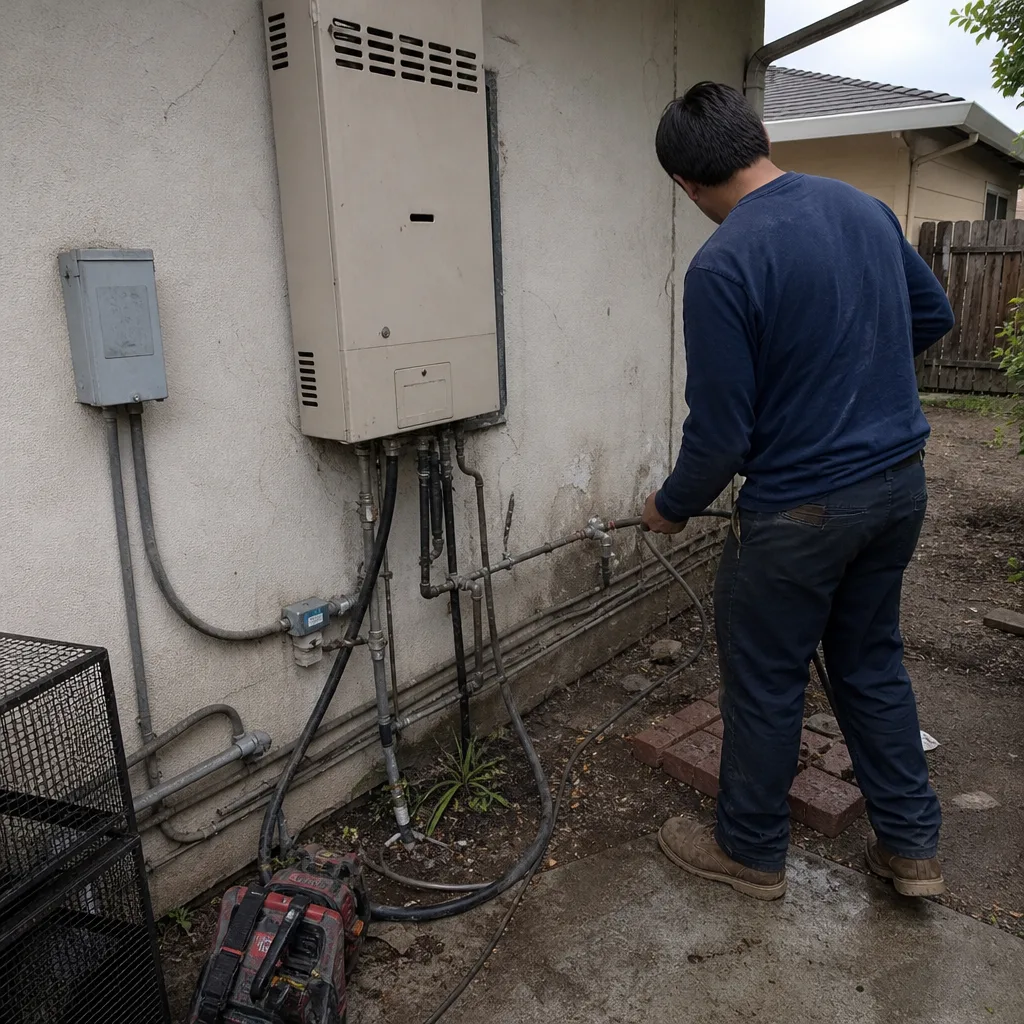
Water heater strapping is second. California code has required double-strap seismic restraint on water heaters since 1991, but many pre-1991 installations were never retrofitted. An unstrapped 50-gallon water heater is a 500-pound object that can topple during shaking, rupturing gas lines and flooding the garage. Check for two metal straps wrapped around the tank, one in the upper third and one in the lower third, each secured to wall framing with lag bolts.
Chimney condition is third. Masonry chimneys in 1960s and 1970s Gilroy homes often lack internal reinforcing. During seismic shaking, these chimneys can crack at the roofline and collapse through the roof structure. Look for visible cracking, spalling brick, or mortar deterioration at the chimney’s exterior. If you see any, have it evaluated before the next earthquake. The fix may be as simple as repointing, or it may require partial reconstruction.
Additional verification points include foundation anchor bolts on homes built before 1960, roof-to-wall connections on homes built before 1980 in high-wind exposure areas, and any deck or patio cover attachments on the windward side of the home.
Pre-Emergency Documentation: What to Keep and Where
The single most valuable step a Gilroy homeowner can take before any emergency is building a documentation file that lets a contractor assess damage scope without guessing. After a fire or wind event, you’ll be dealing with insurance adjusters, emergency repairs, and contractor scheduling all at once. The homeowner who can produce a complete pre-loss record gets faster, more accurate estimates and avoids disputes about what was pre-existing versus event-caused.
Here’s what to keep, and how to organize it:
- Exterior photos, all four elevations. Take them now, in good light, from multiple angles. Include the roofline, all window and door openings, the foundation line, and any attached structures like decks, pergolas, or patio covers. Store them in cloud storage, not just on a phone.
- Interior photos of every room. Ceilings, walls, floors, and built-in cabinetry. These establish pre-existing condition for insurance purposes.
- Roof photos and material records. Document the shingle type, approximate age, and any existing damage. If you have the original roofing permit or invoice, keep it with the photos. This matters when a contractor needs to match materials after storm damage.
- Permit records for all renovations and additions. Pull these from the City of Gilroy Building Division. If a contractor tells you work was unpermitted, that changes the scope and cost of any repair.
- Material and brand specification sheets. If your home has specific products, such as Owens Corning shingles, specific window brands, or specific decking materials, document them. A contractor can’t match what they can’t identify. For any future remodel or home renovation in Gilroy, ask your contractor for a material schedule you can file away.
- Insurance policy documents. Keep a digital copy of your declarations page and any endorsements. Know your deductible and whether you have replacement cost coverage for roofing.
Store everything in at least two locations: a cloud service like Google Drive or iCloud, and a physical copy in a fire-resistant safe or a trusted friend’s home outside the WUI zone. If your home is damaged, your documentation file becomes the baseline for every estimate and claim.
The First 24 Hours After a Construction Emergency
The hours immediately after a fire, wind event, or earthquake shape everything that follows. What you do, and the order you do it in, affects insurance outcomes, repair costs, and your family’s safety. Here’s the sequence that works based on what we’ve seen across hundreds of post-event assessments in Gilroy.
Step 1: Secure human safety first. If you smell gas, shut off the gas meter if you can safely access it. If you see sparking wires, call PG&E immediately. If the structure shows any sign of compromised roof framing, sagging ceilings, or cracked foundation walls, do not enter. A wind-damaged roof that’s partially collapsed can finish collapsing without warning.
Step 2: Photograph everything before moving anything. Every room, every elevation, every visible crack, every missing shingle. Insurance adjusters and contractors both work from visual evidence. If you tarp the roof or move debris before photographing, you’ve destroyed the record that justifies your claim. Take wide shots first, then close-ups.
Step 3: Call your insurance carrier. Do this before calling a contractor. Your policy likely requires prompt notice of loss. Ask about emergency mitigation coverage, which may reimburse you for tarping, board-up, or emergency water extraction even before your claim is fully processed.
Step 4: Mitigate further damage where safe. Emergency tarping of a compromised roof section, covering broken windows with plywood, and shutting off water at the main valve if pipes are exposed are all reasonable steps. Document what you spend on materials. Don’t attempt anything that requires working at height without proper equipment.
Step 5: Begin contractor outreach. For any structural damage, you’ll want a licensed general contractor who can evaluate the full scope, not just a single trade. If multiple systems are affected, roof framing, exterior envelope, interior finishes, the single-contract approach saves you from managing three separate emergency repair scopes while dealing with an insurance claim.
Evaluating Storm and Fire Damage to Roofing and Exterior Envelope
After a wind event or nearby fire, the damage you can see from the ground is rarely the full picture. Gilroy’s wind patterns create specific failure modes: uplift at roof edges, ridge cap displacement, and field shingle blow-off along the windward plane. Fire damage presents differently: ember intrusion into attic spaces, heat-damaged underlayment beneath apparently intact shingles, and compromised flashing at any penetration.
Here’s how to triage what needs emergency attention versus what can wait for a proper assessment:
Emergency now: Any active water intrusion, meaning water getting past the roof deck into the living space or attic. This requires tarping or temporary membrane within hours, not days. The same applies to broken glazing on the windward side of the home, any door that won’t secure, and any structural member showing visible deflection. In a post-fire scenario, any smoldering material or persistent smoke odor from the attic requires immediate fire department contact.
Needs assessment this week: Missing shingles with intact underlayment, displaced but not detached ridge cap, bent but functional flashing, and gutter damage. These conditions won’t fail immediately during dry weather, but they’re one rain event away from becoming the emergency category.
Can wait for a scheduled repair: Cosmetic siding damage, fence failures, landscape hardscape displacement, and paint damage from ember contact that didn’t penetrate the substrate. These items belong on a comprehensive repair scope, not an emergency mitigation invoice.
When evaluating roofing damage, look for the brand and age of your existing shingles. If your home has an Owens Corning or IKO product, that information matters for warranty and matching purposes. A contractor who’s been through Gilroy wind events can identify which shingle lines are more susceptible to Pacheco Pass uplift and recommend upgrades during repair. Full-scope contractors, the ones who handle both the exterior envelope and interior damage, can sequence repairs so you’re not redoing work later.
Contractor Contact Sequencing: Who to Call and When
The order in which you contact professionals after a construction emergency determines whether you get competent help quickly, or end up in a scheduling queue behind dozens of other homeowners. In Gilroy, after a significant wind event, every roofing company within 30 miles gets flooded with calls. Here’s the sequence that preserves your ability to be selective.
- Insurance carrier first. Your claim number becomes the organizing document for everything else. Adjusters in Gilroy respond fastest when the loss is already documented with photos and a written description.
- Licensed general contractor second. If the damage spans multiple systems, roof, siding, interior drywall, structural framing, you need one accountable party who can assess the entire scope. This is where the single-contract model matters: a general contractor can bring in roofing, framing, drywall, and finish trades under one coordination point. You’re not calling five companies and hoping their schedules align.
- Specialty trades third, only if needed. If the general contractor identifies a need for specific engineering review, such as a structural engineer’s letter for a damaged shear wall, they’ll coordinate that. You shouldn’t be sourcing your own engineer or your own roofer if you’ve hired a full-scope GC.
- City of Gilroy Building Division fourth. Any repair that’s structural or exceeds the threshold for a building permit in Gilroy requires a permit. Your contractor handles this, but you should confirm it’s being done. Unpermitted repair work creates liability when you sell the home.
One thing we tell every Gilroy homeowner: don’t sign anything from a door-knocking contractor in the first 48 hours. After major storms, out-of-area operators descend on damaged neighborhoods. The reputable local contractors are already booked, but they’ll return your call and give you a straight answer about timeline.
Wind-Specific Preparedness for Gilroy’s Pacheco Pass Corridor
The Pacheco Pass wind corridor creates conditions that most generic California storm guides don’t address. Homes in southern and western Gilroy, particularly those with western or northwestern exposure, experience wind loading that equals or exceeds coastal storm conditions in other parts of the state. This changes what you should verify and maintain.
Fence and gate anchoring. The most common wind-related failure we see in Gilroy is fence sections lifting out of posts or entire post-and-panel assemblies tipping over. Wood fence posts set in concrete that doesn’t extend below the clay soil line, typically 18 to 24 inches in Gilroy, will heave and loosen over time. When the next 60 mph gust hits, the fence becomes a sail. Check your fence posts for any wobble, and look at the base of each post for a visible gap between the wood and concrete. Metal post systems from manufacturers like Master Halco are available through local suppliers and resist uplift far better than wood posts in high-wind zones.
Patio cover and pergola attachments. Open-air structures attached to the house need positive mechanical connections at every attachment point. Lag screws into fascia board are not adequate. If you can see the fasteners, they’re probably undersized. The connection should be through the fascia into the rafter tails or blocking with hurricane-rated hardware.
Roof edge and ridge cap inspection. Wind-driven uplift starts at the roof perimeter. Walk around your home and look at the drip edge and rake boards. If you see any shingle tabs lifting, any exposed fasteners, or any gaps between the roof sheathing and fascia, address them before October. The same applies to ridge cap: missing or loose cap shingles allow water and wind ingress at the highest point of the roof.
Loose objects in the yard. During high-wind events, the debris that damages homes usually comes from the homeowner’s own property. Trampolines, unsecured patio furniture, empty planter pots, and stacked construction materials all become airborne. Anything that can move, will move. Anchor it or store it before the next wind watch.
If you’re planning a full exterior upgrade, whether that’s new siding, roofing, or fencing, talk to a contractor who works regularly in Gilroy’s wind-exposed areas. The product choices matter: certain roof shingle lines from brands like Tamko or Atlas have specific wind warranties and installation requirements that must be followed precisely to hold up in the Pass corridor.
Common Mistakes to Avoid
- Skipping the pre-loss photo documentation. After a fire or wind event, you’ll be asked to prove what existed before. Homeowners who never photographed their roof, siding, or interior finish details end up arguing with adjusters about pre-existing condition. Spend an hour this weekend taking photos.
- Hiring the first contractor who knocks on the door. Post-storm contractors working Gilroy neighborhoods are often from out of the area and gone within six months. Your warranty is only as good as the company standing behind it.
- Letting emergency mitigation turn into full repair without a written scope. The tarping company is not necessarily the right company to do the permanent roof replacement. Get the emergency work done, then get a proper written scope and line-item estimate for the permanent repair.
- Ignoring water heater strapping because the home “hasn’t had a problem yet.” The Calaveras Fault doesn’t send a warning letter. A 500-pound unstrapped water heater is a known hazard with a known fix that costs a few hundred dollars.
- Assuming your insurance covers everything. Many Gilroy homeowners learn after a wind event that their policy has a separate, higher deductible for wind damage, or that WUI fire coverage requires documentation of defensible space maintenance. Read your policy before the event.
- Doing structural repair without permits. Unpermitted post-disaster repairs create a mess when you sell. Any structural work in Gilroy requires a permit, and the Building Division has records of what was permitted before the event.
- Waiting until October to think about wind prep. The Pacheco Pass fall wind season is predictable. The time to verify fence anchoring, roof edge condition, and patio cover attachments is in August and September.
When to Call a Professional
Some post-emergency work is genuinely DIY-appropriate: photographing damage, shutting off utilities, covering broken glass with plywood, and documenting your insurance claim. For help deciding, see our DIY vs Professional Construction: The Gilroy Homeowner’s Decision Guide. But any structural evaluation, roof repair, chimney inspection, or work that requires accessing the roof or working at height should go to a licensed professional. The stakes are too high for guesswork. A mistake on a temporary roof patch becomes a full roof replacement when the next storm arrives. A miscalculated deck repair becomes a collapse under the next wind load. Silver Line Contractors offers free estimates in Gilroy and can evaluate the full scope of your damage, from the roof down to the driveway, under one contract. Call (833) 400-1314 to schedule an assessment.
Frequently Asked Questions
Photograph all damage from the ground, then call your insurance carrier to open a claim before covering or removing anything. After documenting, place emergency tarps only if you can do so safely without climbing onto the roof. A licensed contractor can do this properly and document the temporary mitigation for your claim. Call (833) 400-1314 for an assessment.
Gilroy sits approximately 7 miles from the Calaveras Fault and within 20 miles of the Hayward Fault, which places the entire city in a high-seismic-risk zone. Homes built before 2000, particularly those without cripple wall bracing or foundation anchor bolts, face elevated risk of structural damage during significant shaking.
Emergency mitigation like tarping and board-up generally does not require a permit, but permanent structural repairs almost always do. The City of Gilroy Building Division requires permits for structural work, and any work done under emergency conditions should be followed by a proper permit application once the immediate hazard is resolved.
Gilroy’s position at the southern end of Santa Clara County means it faces a combination of risks that cities further north don’t: WUI fire exposure from the foothills, seismic risk from proximity to the Calaveras Fault, and high-wind loading through the Pacheco Pass. This triple exposure means Gilroy homes should be prepared for fire, earthquake, and wind damage simultaneously.
Emergency roof tarping in Gilroy typically costs between $300 and $800 depending on roof size, pitch, and accessibility. Most insurance policies reimburse this expense under emergency mitigation coverage. The cost of permanent repair depends entirely on the damage scope and your existing roofing material.
Not necessarily, but you should document the roof’s condition and any repairs or replacements that have been done. If the roof has wind damage from Pacheco Pass events or is approaching the end of its service life, a pre-listing assessment can help you decide whether replacement makes sense. An unpermitted roof or undocumented repairs create buyer concerns during escrow.
The Bottom Line
Construction emergencies in Gilroy follow predictable patterns, and preparation is the difference between a manageable insurance claim and a prolonged displacement. The homeowners who come through these events best are the ones who documented their home before anything happened, verified their structural baseline against Gilroy’s specific hazards, and knew exactly who to call in the first 24 hours. The Pacheco Pass winds, the Calaveras Fault, and the WUI foothills aren’t hypothetical risks; they’re the conditions every Gilroy home lives with. For more guides & resources, or for any post-emergency assessment or full-scope home renovation in Gilroy, Silver Line Contractors is ready. Call (833) 400-1314 to schedule a free estimate.
Written by the team at Silver Line Contractors, serving Gilroy since 2017.
See the difference
 Before
 After
 Before
 After
 Before
 After