

Last updated October 31, 2026
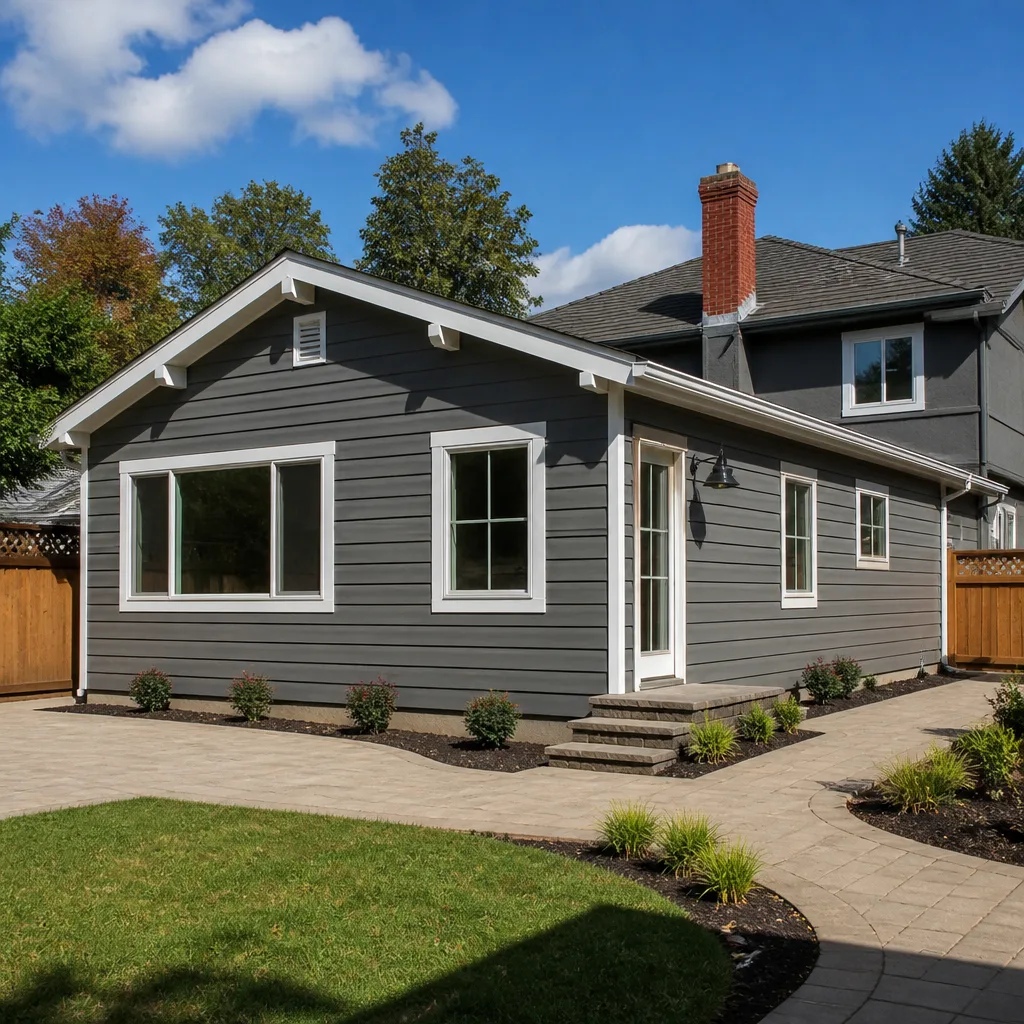 Home additions & ADU
 Kitchen remodeling
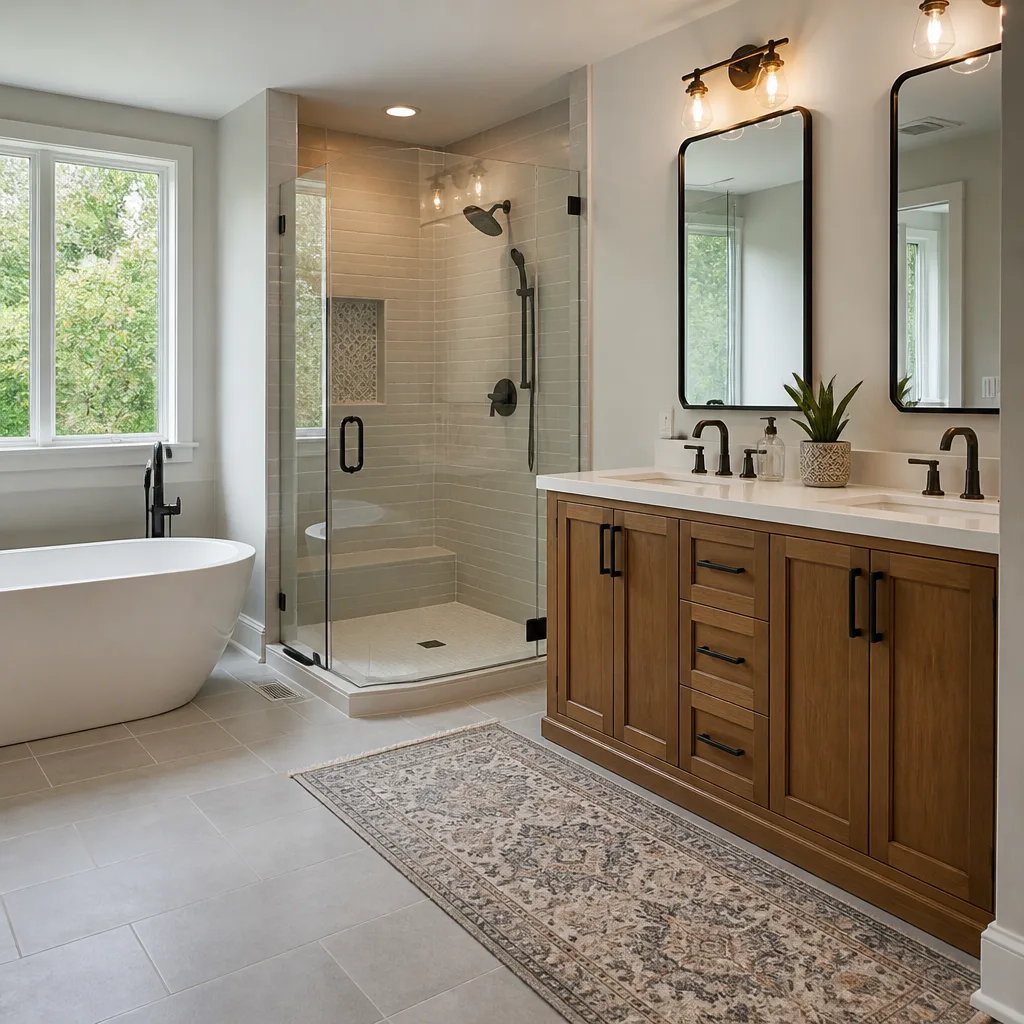 Bathroom remodeling
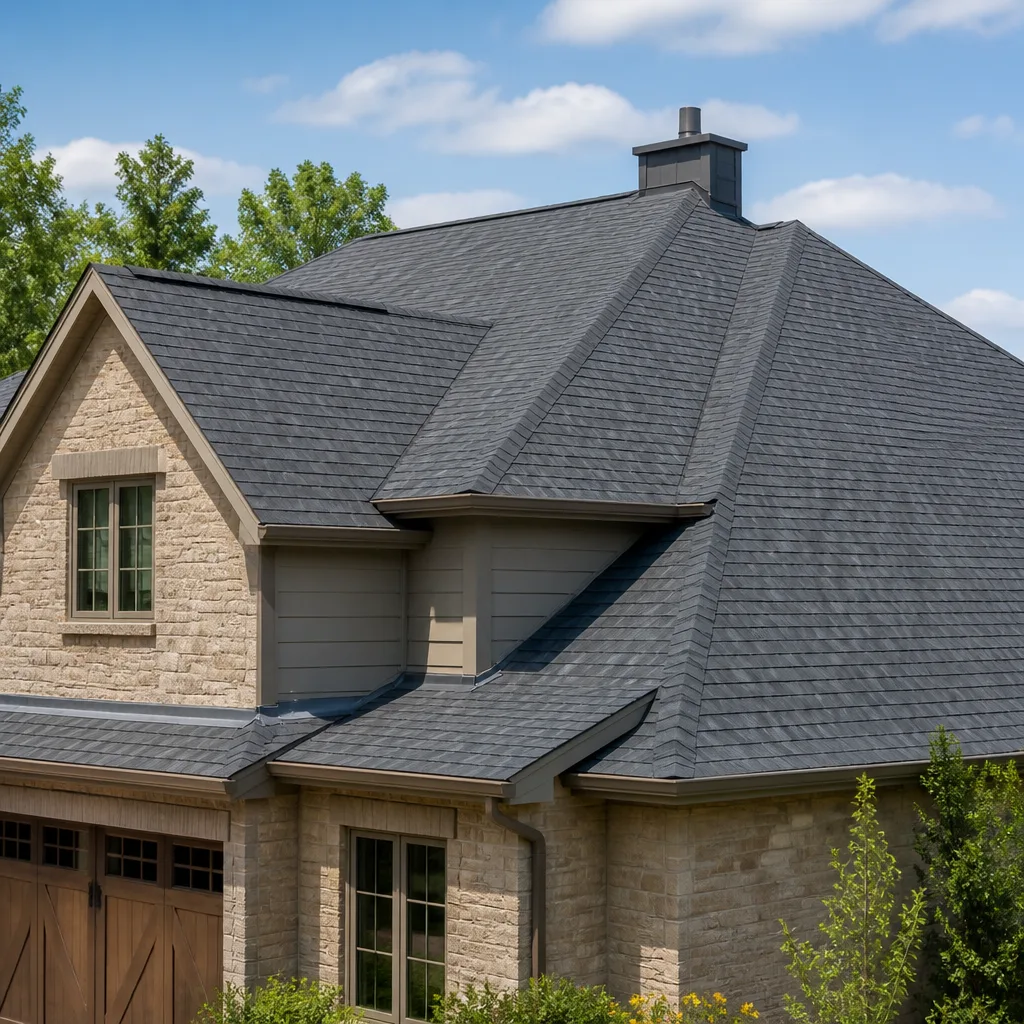 Roofing
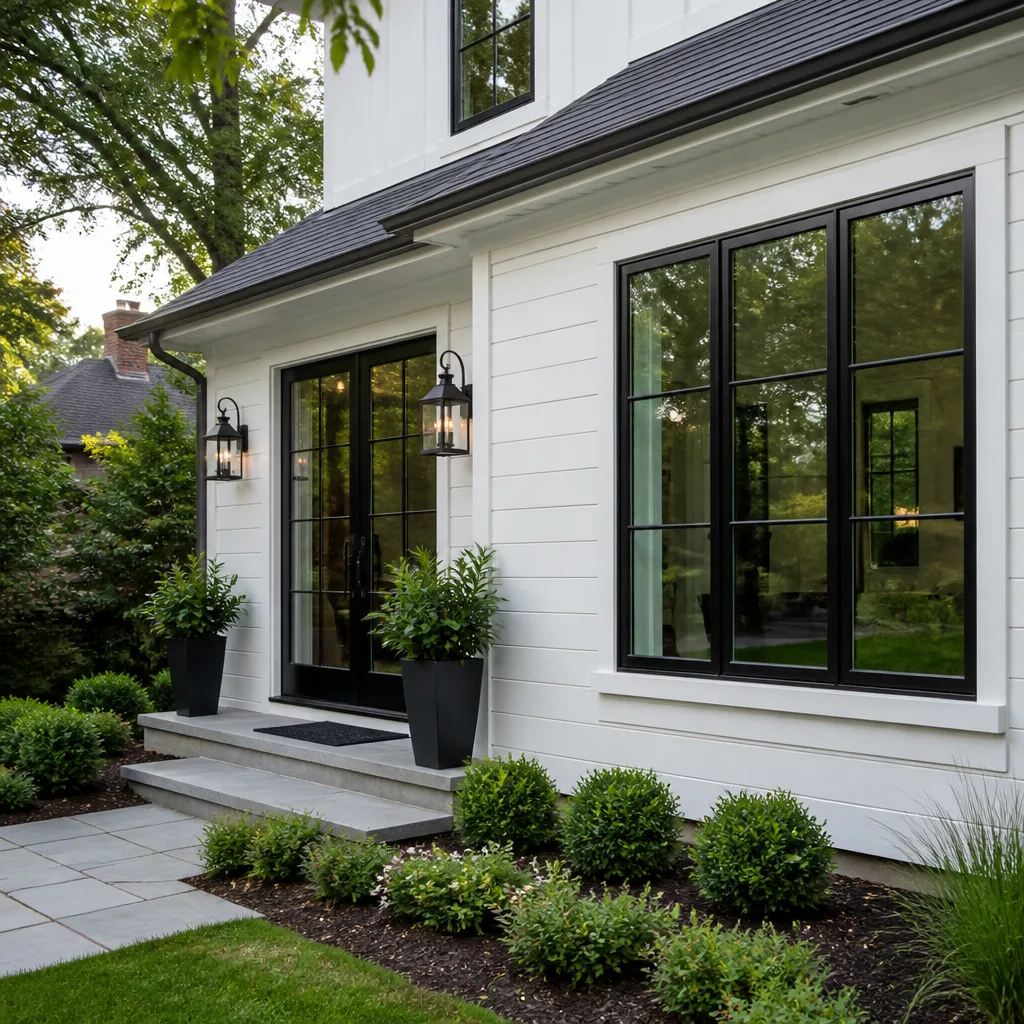 Windows & doors
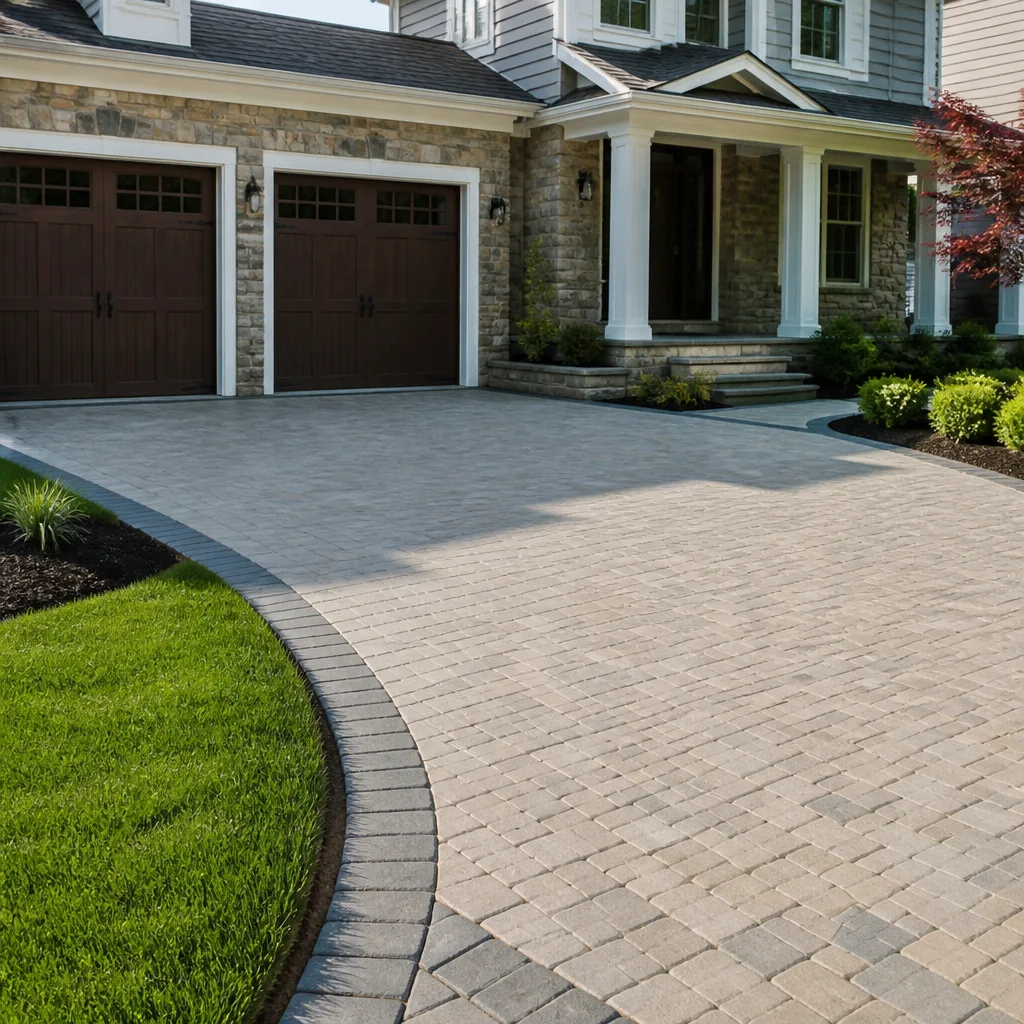 Driveway & pavers
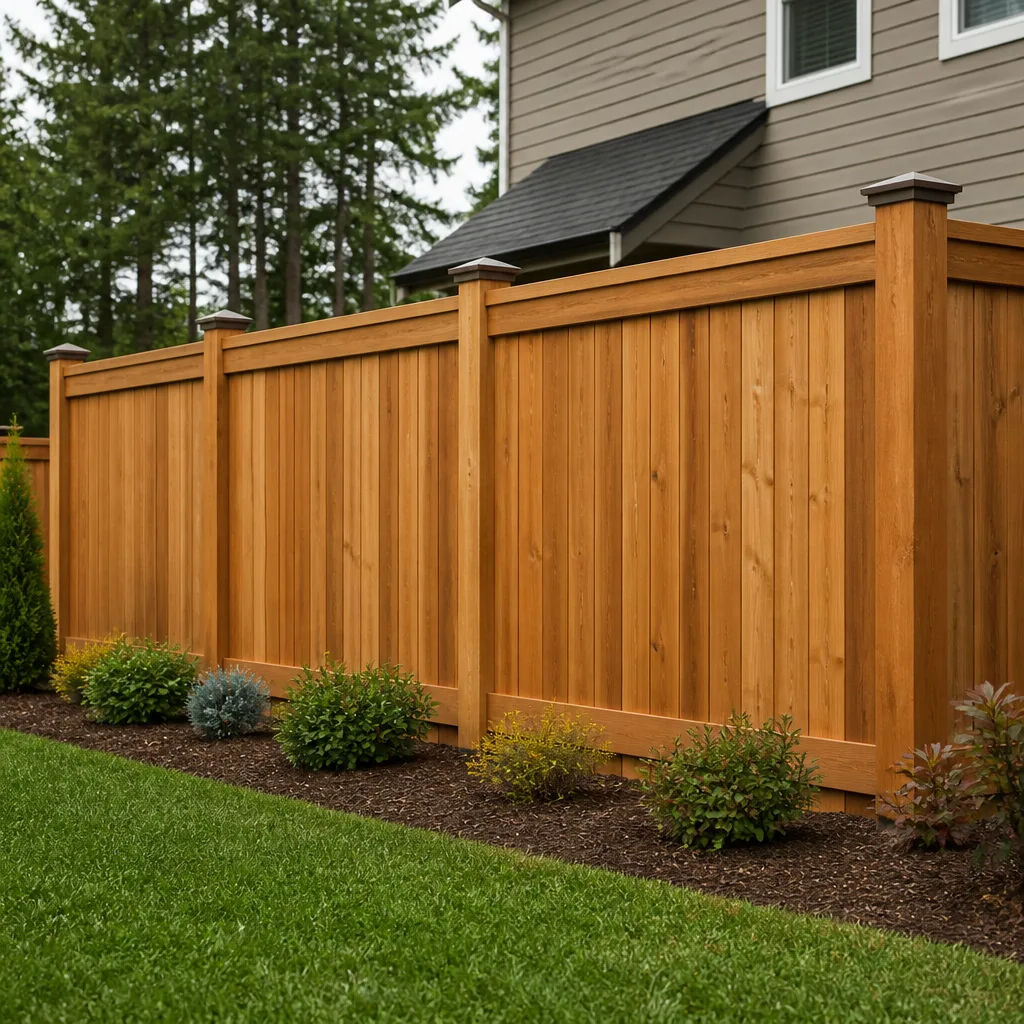 Fence
Free written scope consultation - allowances, timeline, and change-order rules on paper before a single trade is scheduled
DIY vs Professional Construction: The Gilroy Homeowner’s Decision Guide
Most DIY-versus-hire guides start with the wrong question. They ask, “Can you do this yourself?” The question that actually matters in Gilroy is, “What happens when this work gets inspected, insured, or disclosed?” Because in California, the legal line between a weekend project and unlicensed contracting sits at $500 in combined labor and materials. That $800 fence repair you’re planning to knock out over two Saturdays is not a personal project under state law. It is work that legally requires a contractor’s license, and if it’s done without permits where permits are required, it becomes a title disclosure item when you sell, a claims complication if you file for insurance, and a code violation if a neighbor calls the city. This guide walks through where the line actually belongs, project by project, using Gilroy’s specific climate, code environment, and real estate market as the backdrop.
Styles & brands we work with
Quick Answer
DIY makes sense for cosmetic, low-risk, non-permitted work like painting, trim, cabinet hardware, and basic landscaping where the downside of a mistake is cosmetic. Hire a licensed contractor for any project that touches structure, electrical, plumbing, gas, roofing, or load-bearing elements; any work that requires a permit in Gilroy; and any job where a future insurance claim or home sale could be complicated by unpermitted work. For multi-scope renovations, using one general contractor under a single contract almost always costs less in the long run than coordinating separate trades yourself, as our General Contractor Maintenance Checklist for Gilroy Homeowners explains in detail.
Table of Contents
- The California $500 Threshold: What It Actually Means
- Why Gilroy’s Climate Changes the DIY Calculus
- Project Categories That Favor DIY
- Project Categories That Punish Amateur Work
- Permits, Insurance, and Resale: The Trifecta Most Guides Skip
- The Carve-Outs: Where California Forbids DIY
- The Four-Question Decision Framework
- Common Mistakes to Avoid
- When to Call a Professional
- Frequently Asked Questions
- The Bottom Line
The California $500 Threshold: What It Actually Means
California Business and Professions Code Section 7048 sets the line. Any construction project valued at $500 or more in combined labor and materials must be performed by a licensed contractor. The $500 figure includes not just what you pay someone else, but the value of the work itself. If you do a project yourself and the materials alone cost $600, and the reasonable labor value of that work is $2,000, the project is a $2,600 job. Under the statute, you as the homeowner can act as your own “owner-builder” in some circumstances, but that creates obligations that most Gilroy homeowners never realize exist.
Here is what this means practically for the projects homeowners assume are DIY-legal:
- Fence replacement (materials over $500): Any fence job where materials exceed $500 is contractor work under the statute. A weekend fence build with $1,400 in redwood and concrete from a Gilroy lumber yard is not exempt. If you sell the home within a few years, a buyer’s inspector may flag the fence and ask who built it.
- Bathroom remodel (even “cosmetic”): Replacing a vanity, faucet, and toilet might stay under $500 in materials if you buy budget fixtures. Most bathroom remodels blow past that line by a factor of ten. The moment you touch plumbing connections, you enter permit territory.
- Shed or play structure over 120 square feet: Gilroy building code requires permits for accessory structures over 120 square feet. A 10×12 shed needs a permit. A 12×16 shed built without one is an unpermitted structure that will surface during a home sale.
- Deck repair or replacement: Any deck attached to the house, any deck over 30 inches above grade, or any deck repair involving structural framing requires permits. The $500 threshold is irrelevant here because the permit requirement applies regardless of cost.
The point is not that Gilroy homeowners should never do their own work. The point is that the assumption “it’s my house, I can do what I want” is legally false above $500 in most construction categories. The assumption has consequences that are not theoretical. In our experience across Gilroy home transactions, unpermitted work is one of the top three issues that surfaces during escrow, alongside roof condition and sewer line condition.
Why Gilroy’s Climate Changes the DIY Calculus
Gilroy sits at the southern edge of Santa Clara County, where summer temperatures regularly reach the mid-90s and occasionally push past 100. The diurnal temperature swing is significant: 40-degree mornings in winter, 100-degree afternoons in July and August. That range accelerates material expansion and contraction in ways that a YouTube tutorial filmed in a mild coastal climate never prepares you for.
Three Gilroy-specific factors should shape any DIY-or-hire decision:
- Heat and UV exposure on exterior work: Siding, fencing, decking, and exterior paint all fail faster in Gilroy’s inland heat than in coastal California. A poorly flashed window or improperly lapped siding joint that would hold up in Santa Cruz will leak in Gilroy’s winter rains, and the summer sun will punish any caulk or sealant applied without proper joint preparation. Roofing material selection matters here: an Silver Line Contractors home roofing consultation includes consideration of high-heat performance, not just aesthetics. Manufacturers like Owens Corning and IKO design shingle lines specifically rated for high-temperature regions, and installation details like attic ventilation matter more in Gilroy than in the fog belt.
- Winter rain and soil conditions: Gilroy receives most of its annual rainfall between November and March, often in concentrated storm events. The city’s soil is a mix of silty loam and clay in many areas, which drains slowly. Poorly graded hardscape, improperly sloped concrete, or DIY retaining walls without drainage behind them will fail within two or three wet seasons. This is not a theoretical concern: we have seen DIY paver patios in Gilroy’s Eagle Ridge and Sunrise neighborhoods heave and separate after a single winter.
- Wind considerations: Gilroy’s location at the gap between the Santa Cruz Mountains and the Diablo Range creates wind patterns that coastal towns do not experience. Fence posts set at 24 inches deep may hold a fence in some climates. In Gilroy, a 6-foot fence needs posts set at least 30 inches deep and ideally in concrete, with panel spans sized for wind load. The difference between a fence that stands 15 years and one that leans after two is almost always in the post footings, and post footings are the part DIYers most frequently under-build.
None of this means a Gilroy homeowner cannot do a successful DIY project. It means the reference point should be Gilroy-specific, and most online tutorials are not. When a project’s failure mode is accelerated by local climate, the margin for error shrinks.
Project Categories That Favor DIY
Some projects genuinely reward a homeowner’s labor. The common thread is this: the work is cosmetic, non-structural, does not involve regulated trades, and a mistake creates an aesthetic problem rather than a safety or code problem. These projects are also typically under the $500 threshold, or can be done incrementally so that no single phase crosses it.
DIY-friendly categories in Gilroy:
- Interior painting: Painting a bedroom, living room, or hallway is the classic first DIY project, and for good reason. The materials for a single room run $150 to $400 at Gilroy hardware stores. The failure mode is a bad paint line or a drip, both fixable. No permit is required. No inspection is triggered. The skill ceiling is moderate, and the learning curve is fast.
- Cabinet hardware replacement: Swapping knobs and pulls is a $50 to $150 project that transforms a kitchen’s look. There is no structural component, no permit, and no inspection. Even a poorly installed handle is functional, and the fix is a screwdriver away.
- Trim and baseboard replacement (no electrical): Replacing dated baseboards or door casing is straightforward finish carpentry. Materials pricing is modest, and the work is cosmetic. The one warning: if the trim removal exposes wiring or plumbing, stop and get professional advice before proceeding.
- Basic landscaping and planting: Planting trees, shrubs, and ground cover is DIY work in almost every case. The $500 threshold applies to construction, not routine gardening. Mulch, soil, and plant materials can exceed $500 on a large yard, but the work is not “construction” in the statutory sense unless hardscape is involved.
- Interior caulking and weatherstripping: Sealing gaps around windows and doors is low-cost, low-risk, and genuinely effective. A tube of quality exterior caulk runs $10 to $20. Weatherstripping a door costs under $50. These small fixes improve energy efficiency measurably.
The pattern here is clear. DIY works when the project is visible, reversible, and non-regulated. When any of those three conditions fails, the calculus shifts.
Project Categories That Punish Amateur Work
Some project categories are unforgiving. Amateur work in these areas does not just look bad; it compounds into larger problems over time. The common thread is that a mistake is hidden behind a wall, under a roof, or inside a system, and the homeowner does not discover the problem until the damage is done.
Categories where amateur work creates compounding cost problems:
- Roofing and roof repairs: A DIY roof patch or reroof is the single highest-risk project a homeowner can attempt. The materials are heavy, the work is dangerous, and the failure mode is catastrophic: a slow leak that rots sheathing, damages insulation, and creates mold before it ever shows as a stain on the ceiling. Roofing manufacturers like Owens Corning, working with a general contractor in Gilroy who can manage the entire roofing scope, offer warranty programs that only apply when a licensed contractor performs the installation. A DIY roof carries no manufacturer warranty, and most homeowner’s insurance policies will not cover damage caused by a DIY roofing failure.
- Electrical work (any voltage): California building codes require permits for all new electrical circuits, panel work, and most fixture replacements that involve new wiring. A homeowner replacing a light fixture with existing wiring is generally fine. A homeowner adding a new outlet, running a new circuit, or touching a breaker panel is doing regulated work without a license and without an inspection. The failure mode is a fire. Insurance adjusters are trained to look for signs of amateur electrical work during fire claims, and a denial is not uncommon.
- Structural modifications (load-bearing walls, beam replacements): Removing a wall without confirming whether it is load-bearing is the most common major DIY mistake in residential construction. A load-bearing wall supports the roof and upper floor; removing it without a properly sized beam and attendant foundation support can cause gradual sagging, cracked drywall, stuck doors, and in worst cases, structural failure. The repair cost for a botched wall removal typically runs three to five times the cost of doing it correctly in the first place.
- Plumbing (supply lines and drainage): A homeowner replacing a faucet or toilet with existing shutoffs is doing routine maintenance. A homeowner moving a sink, adding a bathroom, or altering drain lines is doing work that requires permits and inspections. A DIY supply line leak inside a wall can run for months before detection, by which point the remediation cost includes mold abatement, drywall replacement, and possible structural repair. Water damage claims are among the most scrutinized by insurers, and evidence of unpermitted plumbing work is a common denial trigger.
- Tile work in wet areas (showers and tub surrounds): A backsplash tile job is a reasonable DIY project. A shower pan or tub surround is not. Proper waterproofing requires a system: membrane, slope, drain integration, and corner treatment. The most common DIY shower failure is not a cracked tile; it is a leak behind the tile that rots the subfloor over two to five years. By the time the homeowner notices, the repair is a full tear-out and rebuild.
- Exterior envelope work (windows, doors, siding): Replacing a window or door requires proper flashing details. A poorly flashed window leaks, and the leak runs down the wall cavity, damaging framing and sheathing invisibly. In Gilroy’s winter rain, a badly flashed window on the windward side of a home can cause damage in a single season. Siding installation has similar flashing requirements, and brands like James Hardie publish installation specs that are enforceable as warranty conditions.
The rule of thumb: if a mistake is hidden after the work is done, the project is not a DIY project. Hidden mistakes compound. Visible mistakes are fixable.
Permits, Insurance, and Resale: The Trifecta Most Guides Skip
Every DIY guide talks about skill level and tool costs. Almost none address the three forces that actually determine whether a DIY project is a good financial decision: permits, insurance coverage, and resale disclosure. In California, these three forces interact in ways that make unpermitted work a long-term liability, not a short-term savings.
Permits: What Gilroy Requires
The City of Gilroy Building Division issues permits for a wide range of residential work. The general rule is that any project altering structure, electrical, plumbing, or mechanical systems requires a permit. A permit triggers an inspection, and an inspection creates a record. That record is what protects the homeowner later. When you sell a home in Gilroy, the buyer’s title company searches for open permits and compares the permit history to the visible improvements on the property. A remodeled bathroom with no corresponding permit is a title defect. The seller must either obtain a retroactive permit, which is expensive and may require opening walls for inspection, or disclose the unpermitted work and accept a price reduction.
Permit categories in Gilroy where DIY is not allowed by the homeowner without specific authorization:
- New electrical circuits or panel changes (requires a licensed electrician or a homeowner electrical permit in limited cases, with inspection)
- Plumbing alterations beyond fixture replacement (requires a licensed plumber or owner-builder permit with inspection)
- Structural modifications: wall removal, beam installation, foundation work, roof framing changes
- Window and door replacement that changes opening sizes or involves structural headers
- ADU construction (accessory dwelling units require full permitting, plan review, and inspections; this is not owner-builder territory for most homeowners)
Insurance: What Adjusters Look For
Homeowner’s insurance policies are written on the assumption that the home meets code at the time of construction or permitted renovation. When a claim is filed for water damage, fire damage, or structural failure, the insurance adjuster’s job includes determining whether the damage was caused by a covered peril or by substandard work. Adjusters look for signs of amateur work: missing permits, non-code wiring, improper plumbing connections, amateur structural modifications. If the adjuster determines that the loss was caused or aggravated by unpermitted DIY work, the claim can be denied in full or reduced. The homeowner is then left with the repair cost, the cost of bringing the work to code, and a policy that may be non-renewed.
This is not a hypothetical risk. Water damage claims involving DIY plumbing failures are a known denial category across the insurance industry. A homeowner who replaces a shower valve themselves, gets the connection wrong, and files a claim for the resulting water damage will likely face scrutiny. The claim may survive if the work was done under a homeowner permit with inspection; it will likely fail if the work was never permitted.
Resale: What Must Be Disclosed
California requires sellers to disclose material facts about the property, including any known unpermitted work. The standard disclosure form includes a specific question about whether any work was done without permits. Lying on a disclosure form is fraud; being truthful reduces the sale price and can scare off buyers. The most common scenario we see in Gilroy is a homeowner who did a DIY bathroom remodel five years ago, never pulled permits, and now must disclose that unpermitted work at sale. The buyer’s lender may refuse to finance the property until the work is retroactively permitted. The permitting process for existing work often requires partial demolition to expose the plumbing and electrical for inspection. The cost of retroactive permitting frequently exceeds what the homeowner saved by doing the work themselves.
This trifecta, permits plus insurance plus resale, is the real cost of DIY that most guides ignore. The materials might cost $3,000 for a DIY bathroom. The unpermitted status of that bathroom might cost $15,000 to resolve at resale, and a denied insurance claim might cost $40,000. The math is not close.
The Carve-Outs: Where California Forbids DIY
California law does not leave everything to homeowner discretion. There are specific construction tasks where owner-builder work is prohibited without a permit and licensed inspection, and some where the work must be performed by a licensed contractor, full stop. Understanding these carve-outs prevents a homeowner from starting a project that cannot legally be finished.
The restricted categories:
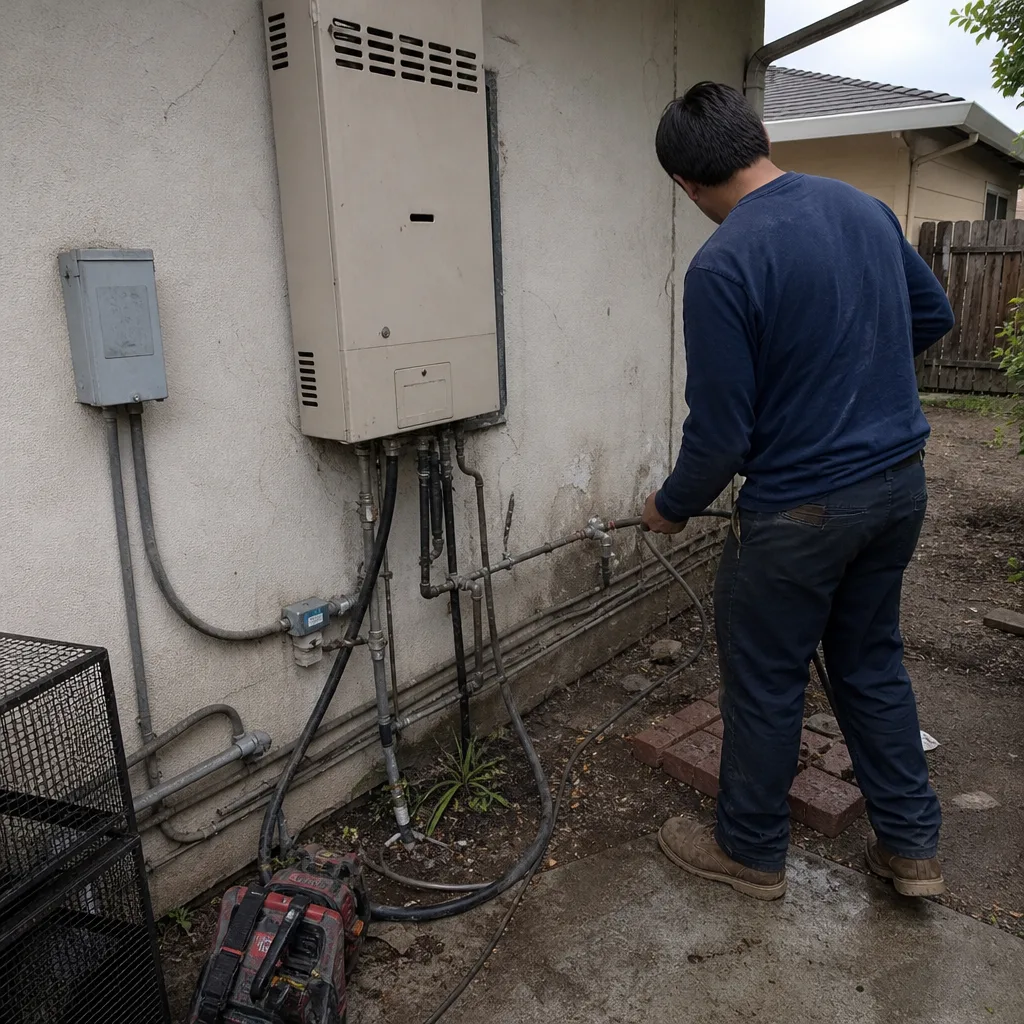
- Gas line work: Any modification to a gas line, gas appliance connection, or gas system component must be performed by a licensed plumber or a C-36 plumbing contractor with the appropriate certification, and the work requires a permit and inspection. A homeowner cannot legally connect a new gas range, install a gas water heater, or relocate a gas line without the proper license and permit. The failure mode here is a gas leak, which is fatal. This is not a guideline; it is a legal prohibition.
- Electrical panel and service work: Any work on a main electrical panel, service entrance, or meter requires a licensed electrician and a permit. The utility company will not reconnect service to a panel that has been modified by an unlicensed person. In Gilroy, panel upgrades are common in older homes where the original 100-amp service cannot support modern loads. This work is never DIY.
- Structural engineering changes: Any modification that changes the load path of the structure (removing a bearing wall, adding a second story, cutting into a roof truss, replacing a foundation section) requires stamped engineering calculations and a building permit. The work can be performed by an owner-builder in some cases, but the engineering is done by a licensed engineer and the work is inspected at multiple stages. The inspection requirement is not optional.
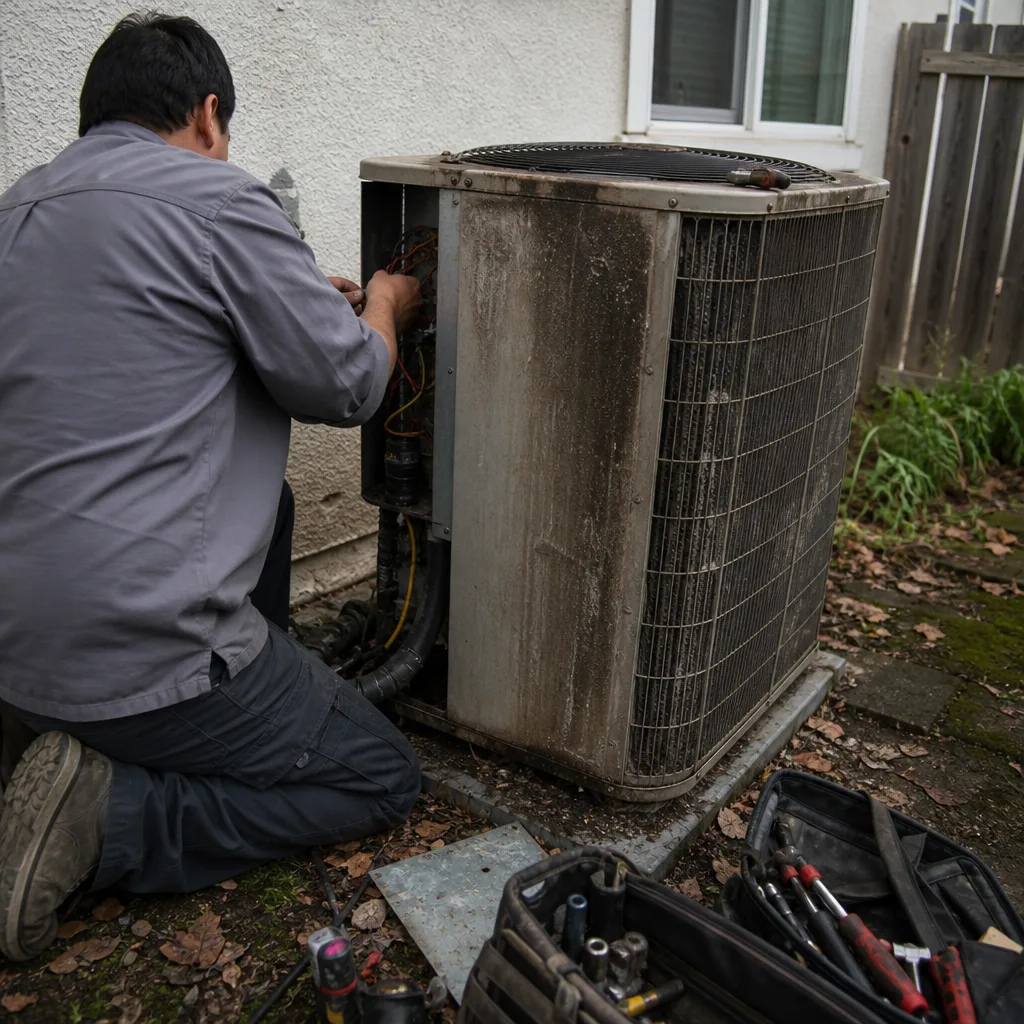
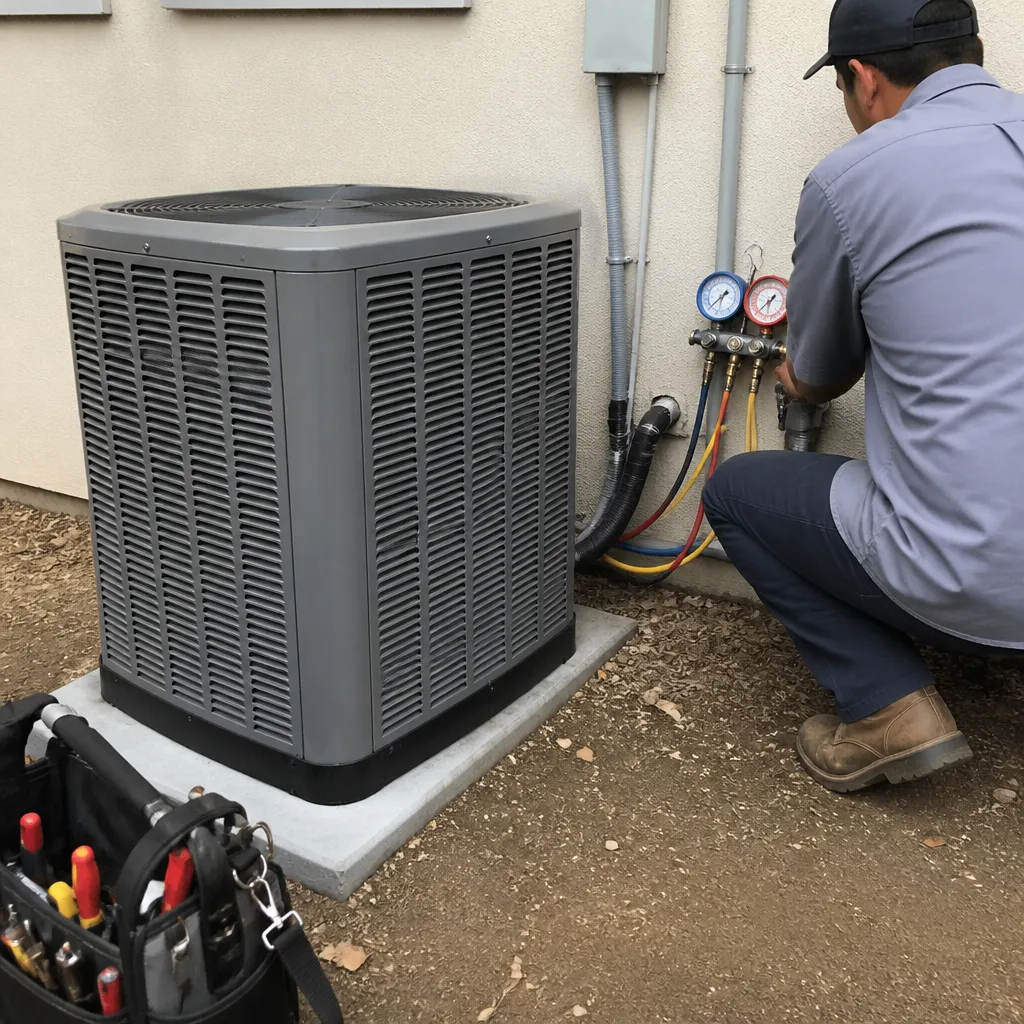
- HVAC system installation or replacement: California requires that any new HVAC installation or major system replacement be performed by a licensed contractor (C-20 HVAC license) with a permit. The refrigeration handling alone requires EPA certification. A homeowner cannot legally install a central air conditioning system themselves.
- Septic and sewer line work: Any work on a septic system or connection to a public sewer requires permits and, in many cases, a specialty license. Gilroy has areas served by city sewer and some properties with septic considerations in the surrounding unincorporated areas. This work has public health implications and is tightly regulated.
Some projects fall into a gray zone where an owner-builder permit is possible but requires the homeowner to meet the same code and inspection standards as a licensed contractor. The owner-builder path exists, but it shifts liability entirely to the homeowner: if the work is defective, the homeowner has no recourse against a contractor because there is no contractor. For a homeowner planning to sell within a few years, the owner-builder path on a major renovation is almost always the wrong choice because the work must be perfect to avoid resale complications, and perfection is exactly what a licensed contractor’s liability insurance and warranty provide.
The Four-Question Decision Framework
The right way to decide between DIY and hiring a professional is not to ask “Can I do this?” The right way is to run the project through four questions in order. If the answer to any of the first three is “no,” the decision is already made, and the fourth question only determines urgency.
Here is the framework, step by step:
- Is the project category DIY-legal? Electrical panel work, gas lines, HVAC installation, structural modifications, and septic work are not DIY-legal in California regardless of skill level. The list in the previous section is the complete answer. If the project touches any regulated trade, the DIY decision is over. Hire a licensed contractor. This is not a matter of skill; it is a matter of law, safety, and insurance.
- Does the project require a permit in Gilroy? A permit requirement changes the math in two ways. First, the work must pass inspection, which requires it to meet code, which requires the person doing the work to know the code. Second, a permit creates a work record that either protects the homeowner at resale or, if the work is done incorrectly and fails inspection, creates an active record of non-compliant work that must be corrected. Permitted work done correctly by a homeowner is fine. Permitted work done incorrectly is worse than no permit at all.
- Does the failure mode create hidden damage? This is the crucial question that separates paint and trim (visible, fixable) from roofing and plumbing (hidden, compounding). If a mistake will not be visible for months or years, the cost of the mistake multiplies. The rule of thumb: visible mistakes are the cost of a do-over. Hidden mistakes are the cost of a remediation. A bad paint job costs $200 to fix. A bad shower pan costs $8,000 to fix. The project category determines the downside risk before any work begins.
- Is the time cost worth the financial savings? Only after the first three questions are answered affirmatively does the time-versus-money question apply. A homeowner with a full-time job, a family, and a post-6pm schedule will take three times longer on a project than a professional crew. A pro might complete a bathroom remodel in three weeks. A homeowner working weekends might take four months. The financial savings, measured against the value of the homeowner’s time, is often negative. The calculation should be honest: time is not free, and months of weekend labor has an opportunity cost.
Here is the framework applied to common Gilroy project types:
- Interior painting: DIY-legal (yes), permit required (no), hidden damage risk (no), time cost (low). Verdict: DIY.
- Paver patio: DIY-legal (yes, under $500 threshold in most phases), permit required (depends on scope; permeable hardscape may require drainage review), hidden damage risk (moderate; poor base prep causes heaving in Gilroy’s clay soil), time cost (high; base prep is labor-intensive). Verdict: borderline; hire for anything over 200 square feet.
- Kitchen cabinet replacement: DIY-legal (yes), permit required (no, if not moving plumbing or electrical), hidden damage risk (low), time cost (moderate). Verdict: DIY-friendly if scope is cabinet boxes and doors only.
- Kitchen remodel (full): DIY-legal (mixed; the cabinet part yes, the electrical and plumbing no), permit required (yes), hidden damage risk (high), time cost (very high). Verdict: hire. A home remodeling contractor in Gilroy manages the full scope under one contract, which is the critical difference: the homeowner is not coordinating five trades on weekends.
- ADU construction: DIY-legal (no; ADUs require full permitting, plan review, and in most cases licensed subcontractors for electrical, plumbing, and structural work), permit required (yes, extensively), hidden damage risk (very high), time cost (extreme). Verdict: hire, always. Prefab ADU systems like Abodu and Boxabl streamline the process, but the site work, utility connections, and permit coordination are contractor scope.
- Roof replacement: DIY-legal (no, in practice; the work requires permits and the manufacturer warranties require licensed installation), permit required (yes), hidden damage risk (extreme), time cost (extreme). Verdict: hire, no exceptions.
Common Mistakes to Avoid
- Starting the project before checking the $500 threshold: Most homeowners do not know the threshold exists. Checking it before buying materials takes five minutes. Starting a $2,000 project as DIY without knowing the law creates a liability that follows the property.
- Assuming cosmetic work never needs a permit: Cosmetic is not a legal category. A bathroom remodel that replaces fixtures but also moves an outlet requires an electrical permit. The permit requirement follows the work, not the label the homeowner gives it.
- Skipping the drainage plan on hardscape projects: In Gilroy’s clay soil, a paver patio without proper base preparation and drainage will heave within two winters. The fix requires tearing out the patio, which costs more than the original install.
- Underestimating the disclosure requirement at resale: California’s disclosure form specifically asks about unpermitted work. A homeowner who DIYs a bathroom without permits will have to disclose it, and the disclosure will cost more than the DIY savings.
- Believing manufacturer warranties cover DIY installation: Roofing, siding, window, and some flooring warranties are void if the product was not installed by a licensed contractor. A homeowner who DIYs a roof with premium shingles is buying expensive materials with zero warranty protection.
- Mixing DIY and professional work without a coordinator: The most common project failure pattern we see in Gilroy is a homeowner who hires a plumber for rough-in, an electrician for wiring, a tile subcontractor for the shower, and coordinates it themselves. The subcontractors do not talk to each other, and the homeowner is left managing scheduling, sequencing, and blame when something goes wrong. A single contractor with a single contract eliminates the coordination gap.
- Using online pricing from other regions to budget the project: Gilroy’s construction pricing is not the same as national averages. Material costs, labor rates, and permit fees all vary. A national website might list a bathroom remodel at $12,000; the same scope in Gilroy might run $18,000 to $25,000 depending on fixtures and finishes. Budgeting from the wrong market creates a financing problem mid-project.
When to Call a Professional
Call a professional when the project touches any regulated trade (electrical, plumbing, gas, HVAC, structure), when it requires a permit in Gilroy, when the failure mode creates hidden damage, or when the project scope spans multiple trades that need coordination, as outlined in our How to Hire a Construction Contractor in Gilroy: A Step-by-Step Guide. Call when the property will be sold within five years and unpermitted work would create a disclosure problem. Call when the project involves a brand-name material whose warranty requires licensed installation, which covers most premium roofing, siding, window, and countertop brands. And call when the homeowner values their weekends more than the savings a DIY approach would generate.
For Gilroy homeowners planning a multi-scope renovation, a home renovation contractor in Gilroy who works under one contract is the difference between managing a project and supervising one. Silver Line Contractors offers free estimates in Gilroy, call (833) 400-1314 to schedule a walk-through and get a written line-item quote.
Frequently Asked Questions
A California homeowner can legally do interior painting, trim work, cabinet hardware replacement, basic landscaping, interior caulking, and other cosmetic, non-permitted work without a contractor’s license. Any project valued over $500 in combined labor and materials, or any work requiring a permit or touching regulated trades (electrical, plumbing, gas, HVAC, structure), must be performed by a licensed contractor or done under a specific owner-builder permit with inspections. Call (833) 400-1314 to discuss whether your project falls into the DIY-legal category.
Gilroy requires permits for a bathroom remodel whenever the project involves moving plumbing lines, adding or relocating electrical outlets or fixtures, or altering any structural element. A cosmetic refresh that replaces the vanity, toilet, and faucet with existing connections generally does not require a permit, but the moment a drain line moves or a new circuit is added, the permit requirement kicks in. Unpermitted bathroom work creates a disclosure problem at resale.
Unpermitted work typically costs between three and five times the original project savings at resale. The buyer’s lender may refuse financing until the work is retroactively permitted, which requires opening walls to expose plumbing and electrical for inspection. The retroactive permit process in Gilroy includes plan review fees, inspection fees, contractor costs for the inspection openings, and the cost of correcting any code violations found during the inspection. On a bathroom remodel that saved $4,000 by doing it DIY, the resale cost is commonly $12,000 to $20,000. For an exact assessment of your project, call (833) 400-1314.
Building an ADU in Gilroy as an owner-builder is technically possible under California law, but only with full plans, permits, inspections, and in most cases licensed subcontractors for electrical, plumbing, and structural work. The practical reality is that ADU construction is a multi-trade project requiring coordination that most homeowners cannot manage effectively. Prefab ADU systems like Abodu and Boxabl streamline the building phase, but site work, utility connections, and permit coordination remain contractor scope. Most homeowners in Gilroy hire a general contractor with ADU-specific experience.
Homeowner’s insurance may cover sudden and accidental damage from a covered peril, but it will generally not cover damage caused by substandard or unpermitted work. If a DIY plumbing connection fails and floods the kitchen, the adjuster will investigate whether the work was permitted and code-compliant. Unpermitted amateur work is a known claim denial trigger. The insurance company may deny the claim, reduce the payout, or pay the claim and then non-renew the policy. Permitted work done correctly is protected; unpermitted work is a gamble.
Interior painting, cabinet hardware replacement, basic landscaping, and weatherstripping deliver the best DIY return in Gilroy because they are low-cost, low-risk, require no permits, and genuinely improve the home’s appearance and comfort. A fully refreshed interior paint job costs $500 to $1,500 in materials and adds measurable buyer appeal. Cabinet hardware replacement costs under $200 and modernizes a kitchen instantly. These projects are visible, reversible, and carry no resale liability. For larger-scope work, call (833) 400-1314 for a free estimate.
The Bottom Line
The DIY-versus-hire decision in Gilroy is not about skill or courage. It is about legal compliance, insurance exposure, and resale consequences. The $500 threshold sets a low bar. The hidden damage failure modes set a high cost for mistakes. The permit and disclosure requirements set a long tail of liability. DIY works for cosmetic, visible, reversible projects where the downside is a do-over rather than a remediation. Everything else belongs with a licensed contractor. For multi-scope work, one contractor under one contract is the single best risk reduction available. For more guides & resources, visit our blog, or call Silver Line Contractors at (833) 400-1314 for a free estimate in Gilroy and a straight answer on where your project falls.
Written by the team at Silver Line Contractors, serving Gilroy since 2017.
See the difference
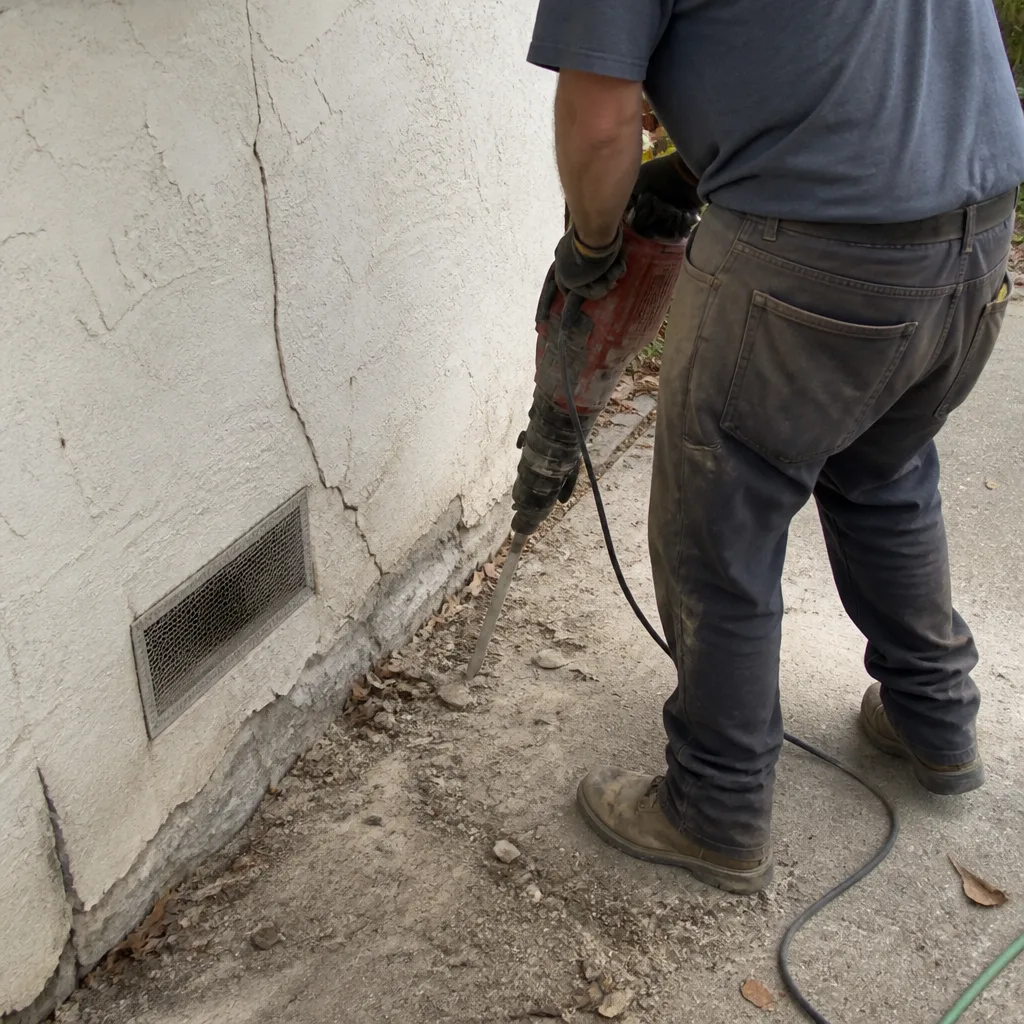 Before
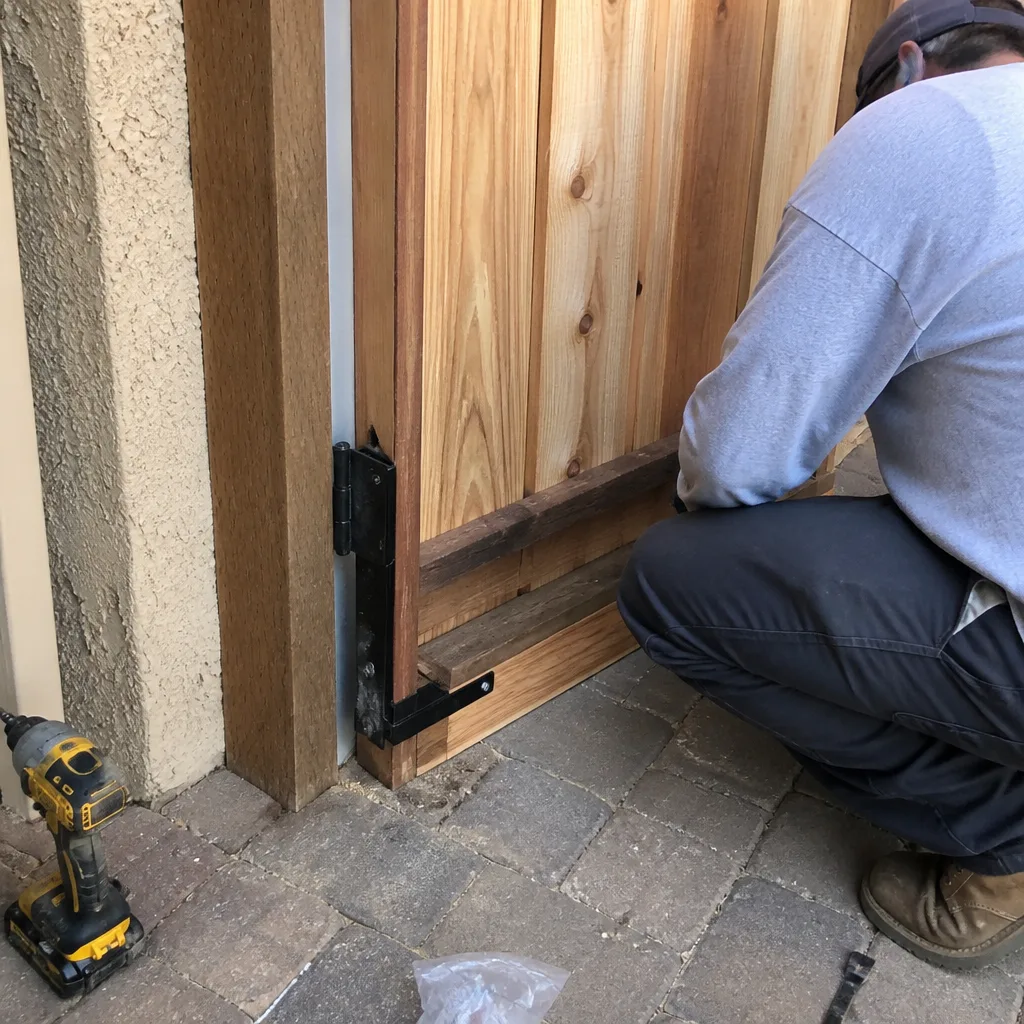 After
 Before
 After
 Before
 After